
15 Millennial Food Trends That Boomers Hate

We have all heard the jokes and the snide remarks: Boomers get up to a lot of shenanigans in the kitchen. Mayonnaise gets smeared onto everything, food gets boiled into oblivion with barely a spice in sight beyond salt and pepper, and fridges get stocked to look like time capsules from the Eisenhower administration. It is a hard scene.
It is easy enough to let boomers off the hook. Honestly, what else were they supposed to become after being raised in a world where Jell-O salads were the pinnacle of culinary sophistication? It's much harder to extend that same grace to the food-obsessed generation currently dragooning consumer culture forward. Everywhere you look, there is a new food craze stampeding across the internet; bathtub tiramisu, Dubai chocolate everything, tanghulu mania. Does the state of affairs get under boomers' skin? Absolutely. And these are the culinary trends they absolutely can't stand that millennials love.
1. Avocado on toast
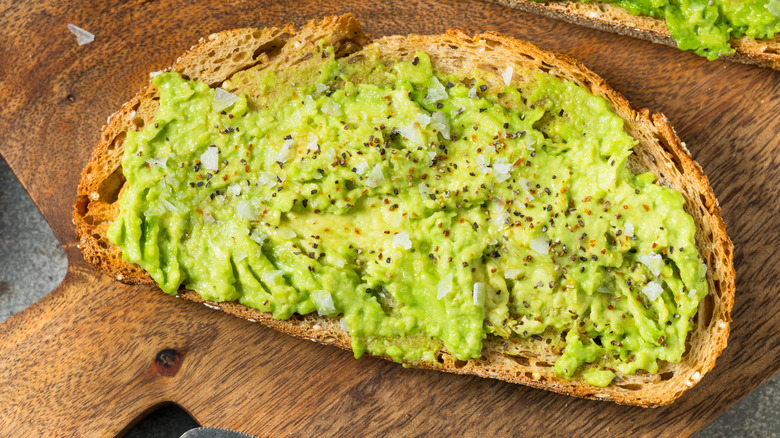
Top of the list of gripes boomers have with the millennial foodscape is avocado toast. This one hits right at the heart of millennial-era eating. It's vegan- and gluten-free-friendly, slightly indulgent, immensely wellness-steered, and perhaps most importantly, intensely photogenic. Though the craze has died down somewhat, there was a time when this stuff was sweeping across the internet, and boomers were irked by it.
But why all the hate? Well, for one, you wouldn't believe how much they charge for the stuff at restaurants. About $20 is on the conservative side; some reports have cited prices as high as $27. And that hits boomers at a very sensitive spot. Raised by parents who survived the Great Depression, this is a crowd that grew up frugal to a fault. Spending $20 on something you could make at home for the price of pocket lint was obviously never going to fly. Yet another gripe might be around how heavily aestheticized the trend is: avocados artfully smashed, arranged on a slab of artisanal bread, and topped up with a careful sprinkling of toppings. That level of fussiness can read as unserious and nonsensical to boomers, who, as everybody knows, detest nonsense.
2. Clean eating
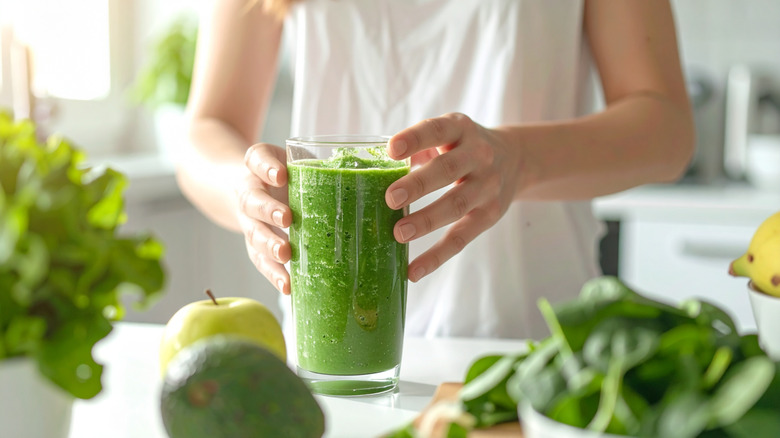
People are far more aware nowadays that the way we eat shapes the way we fall apart. That's where clean eating came in: part backlash to over-processed food and artificial ingredients, part fixation on gluten-free, organic, and allergen-free foods.
Millennials are, of course, all for it. Less eager to catch up are boomers. Part of the clash may be that boomers simply don't distrust processed food in quite the same way. They grew up in an era when fresh ingredients were being edged out by frozen dinners, canned goods, and other convenience foods. So, naturally, they might struggle to understand why the very food culture once sold to them as progress is now being treated like the villain.
There's also the fact that millennials and boomers tend to have completely different food standards. Boomers are more likely to trust healthcare professionals for nutrition advice, and considering that clean eating often shows up as moralized internet doctrine pushed by health gurus, celebrities, and bloggers rather than bona fide health messaging, it makes sense that they'd be quick to roll their eyes at it.
3. Plant-based meat
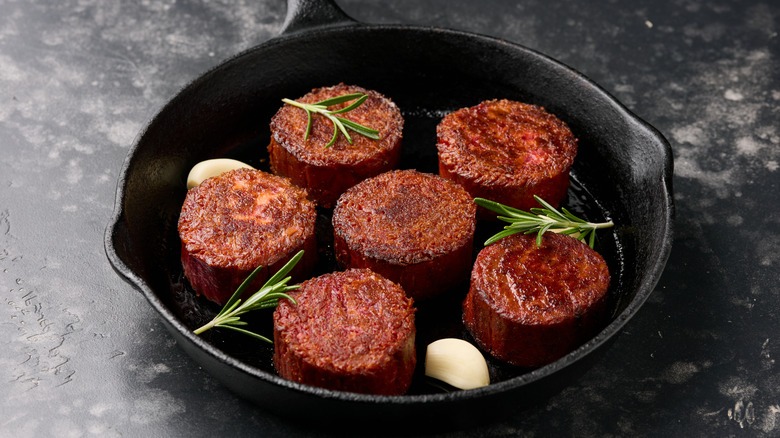
Food culture is deep in its sustainability era. Along with the rise of certification-heavy foods has come an affection for plant-based eating, especially meat and dairy substitutes that get as close as possible to the real deal without technically being it. Millennials have lapped up plant-based recipes with unqualified enthusiasm, with 72% expressing keen interest in plant-based foods in a GlobeScan survey. Boomers, on the other hand, have been far less eager to join the parade.
But why does the plant-based-everything movement, and plant-based meat in particular, get such an aggressive side-eye from boomers? Because to a lot of them, a meal without a hearty helping of animal protein looks unfinished. These are people who grew up with Robert Mitchum all but growling "Beef. It's What's for Dinner" into the national psyche. Good luck arguing with that heavy a gospel!
There's also the fact that barbecue culture really hit its stride just when boomers were coming of age, with entire days given over to mingling around hunks of meat sputtering on the grill. Naturally, they'd bristle at a trend bent on gutting barbecues of their central character: meat, and all the nostalgia attached to it.
4. Alternative milks
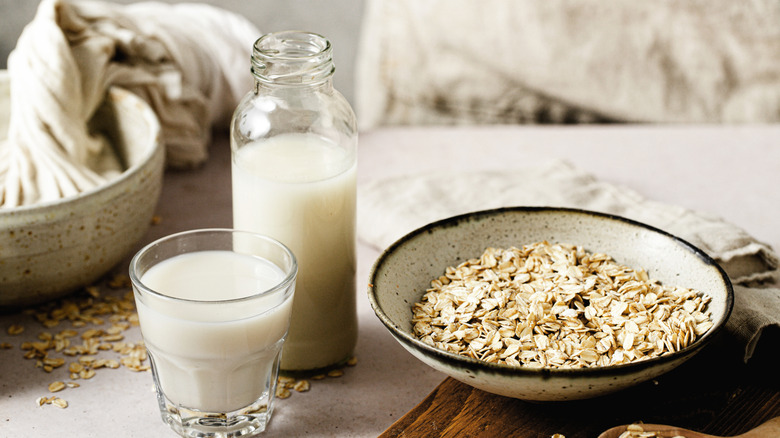
Alternative milks like rice, oat, and almond are no longer sulking in the niche-vegan corner gathering dust. They're fully in the fray, squaring off with dairy milk and, in some cases, gaining ground. A big reason for that is millennial enthusiasm, which makes perfect sense when the stuff helps soothe lactose worries, sustainability guilt, and health anxieties all in one pour. Boomers, predictably, have been less keen to hop aboard.
This crowd is pretty attached to dairy. In a CivicScience study, about 81% of people aged 55 and older named cow's milk as their preferred milk. This tracks from a historical perspective. Public health messaging in the 1950s and 1960s placed milk among the four recommended food groups. Folks ran with that gospel hard enough to raise a generation that started out drinking around 40 gallons per person a year, per the USDA. With that in mind, it makes sense that boomers would be baffled as to why a food once held up by health experts as a daily staple has somehow been recast as unsustainable, unhealthy, or, at the very least, deeply suspect.
5. Functional beverages
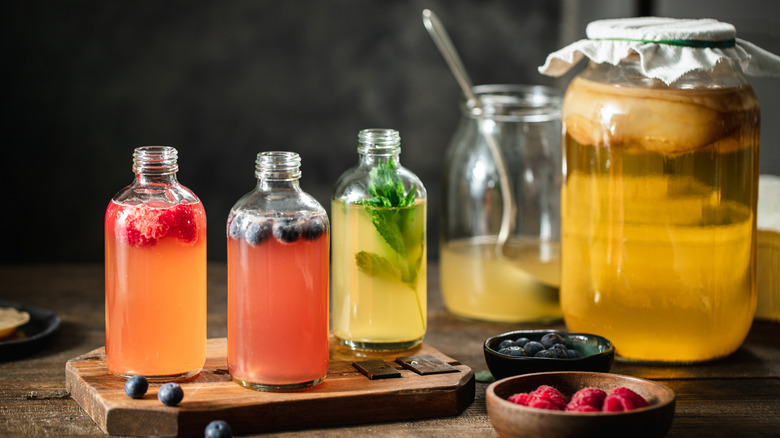
Soda is getting a spruce up, folks! Shoppers want a lot more from their cans these days than a little fizz and relief from thirst, and, boy, has the beverage industry responded. The market is flooded with shiny cans touting all manner of health benefits, from the fairly sensible prebiotic colas to the considerably iffier activated-charcoal detox drinks. The science behind some of these claims remains murky, but that hasn't stopped millennials from buying in. The electrolyte-drinks market alone is projected to balloon to $78.05 billion by 2035, per Precedence Research.
Predictably, boomers have not taken to the stuff quite as readily. Not because they dislike the idea of food doing something useful, but because they tend to favor benefits with a bit more clinical heft — bone health, heart health, weight management, that sort of thing. The divide also comes down, in part, to drinking habits. A Gallup study shows younger generations have been cooling on alcohol and leaning more toward nonalcoholic drinks, which gives functional beverages a perfect gap to slip into. Among adults 55 and older, alcohol consumption has moved in the opposite direction, so the hype hasn't landed quite as neatly with them.
6. Photographing food first
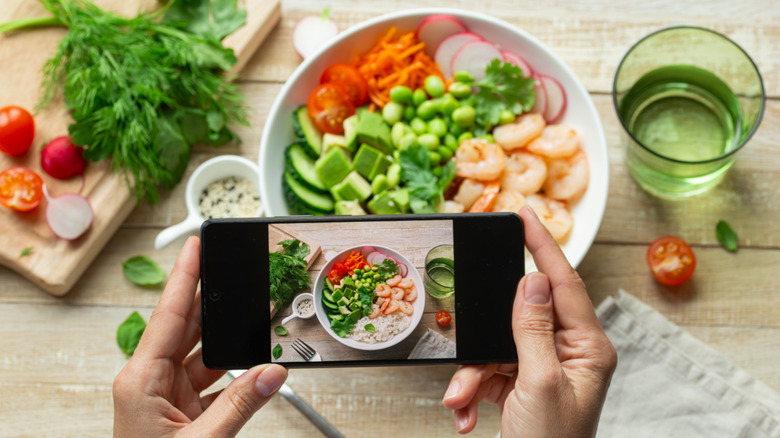
Move over actual eating, there's a new way to enjoy food: taking pictures of it first. Food photography has really taken off with millennials, with about 69% of them snapping a photo or video before digging in. It's a handy way to enjoy food vicariously, and as a bonus, science suggests it may actually help you savor the meal more. Selling that whole Instagram-able food routine to boomers, though, is another matter. This crowd is far more likely to wrinkle their noses at the trend, no matter how gorgeous it makes a summer salad look.
Much of it boils down to dining habits. Millennials are bigger spenders when it comes to eating out, while boomers tend to lean more toward home cooking. And because this trend thrives on artfully-styled restaurant food, it was never going to hit boomers quite the same way. Then, there's the phone issue. Boomers have a much dimmer view of phone use at the table, with research suggesting they see it as something that can throw conversation off course. The whole Instagram-able food shtick can also strike boomers as performative, considering that they're less likely to prioritize how food looks over what it actually does for them.
7. Specialty coffee
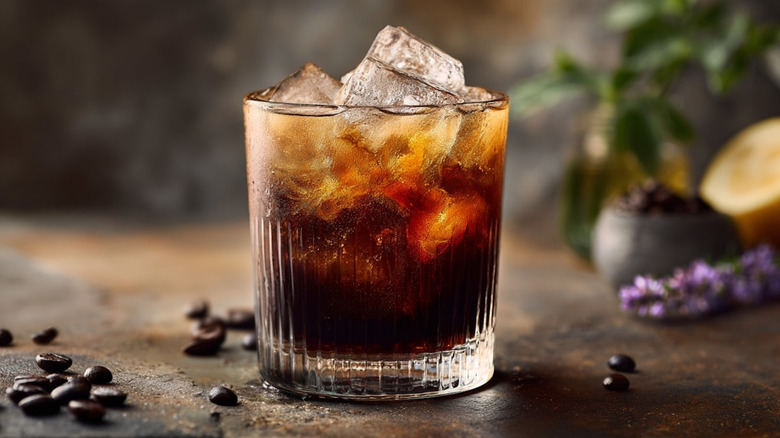
Millennials are officially over the plain old cup of joe routine. Specialty coffee now rules the roost, so anything boasting single-origin beans, delicate flavor notes, or a hint of terroir is absolutely printing money right now. It's certainly not doing it for many boomers, though.
There are a few explanations for why boomers have been reluctant to hop aboard the specialty-coffee train. For one, research suggests they tend to lean more traditional when it comes to coffee consumption, so they're less likely to branch out into things like single-origin pour-overs or cold brew. Then, there's the price problem. Specialty coffee is often premium-priced because it strays from the mainstream. That can look ridiculous to someone raised to see coffee as a basic commodity, rather than a luxury item. You also can't ignore the performative angle. Plenty of people seem to visit specialty coffee bars less for the coffee and more for the aesthetics, which can read as nonsensical theatrics to boomers.
8. Protein-added everything
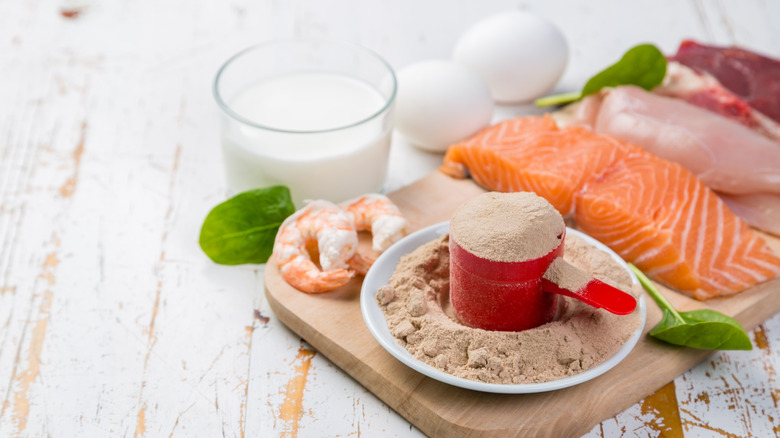
Protein maxxing has well and truly taken over the millennial food scene. These days, even packet snacks are getting pumped up with extra protein, complete with a supercharged price tag to match. But how much protein is too much? Boomers seem to think we crossed that line ages ago.
A fair number of them simply don't see the need to pump their food with extra protein, according to a Frontiers study. There's also a fair bit of skepticism around these products among boomers, who tend to view "healthy" through a completely different lens. To them, "healthy" usually means fresh, natural, maybe locally sourced, not processed, fortified, and shrink-wrapped.
But don't get it twisted. Boomers still appreciate a protein-packed meal. They're more open to it when it comes in familiar forms. But try selling them protein cereal, protein water, or protein chips, and you're on your own. Then, you guessed it, there's the price. Millennials are willing to pay extra for protein-added products, to the tune of about $71, according to an Empower study. Boomers, on the other hand, are much tighter with their wallets, topping out closer to $27.
9. Food delivery apps
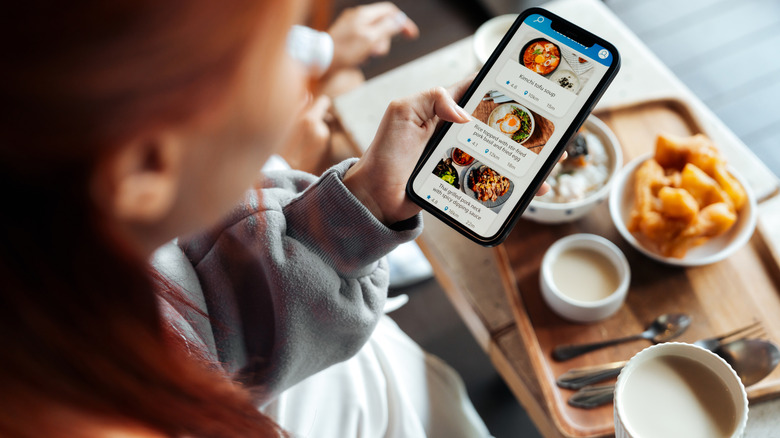
There's something offensively tedious about lacing up, getting in the car, and trekking to a restaurant just to get fed. Food-delivery apps fixed that problem beautifully: a couple of taps, and your meal comes to you. The biggest problem with these apps is, of course, the price. Millennials seem more than willing to swallow the premium. Not boomers. This crowd tends to be a lot more frugal, so the idea of paying more than necessary for food just doesn't strike the right note with them.
But it's not just them being tightwads. Researchers say they still prefers in-person ordering, which tracks for a generation that doesn't break into hives at the thought of placing a phone call. There's also the cultural backdrop. Boomers were raised when family meals still carried real weight. To them, mealtime should come with a bit of ritual, some real social engagement, and a deliberately curated atmosphere. That in mind, it makes sense that they'd bristle at a delivery system that lets everyone eat separately, whenever, with no real ceremony attached.
10. QR code menus
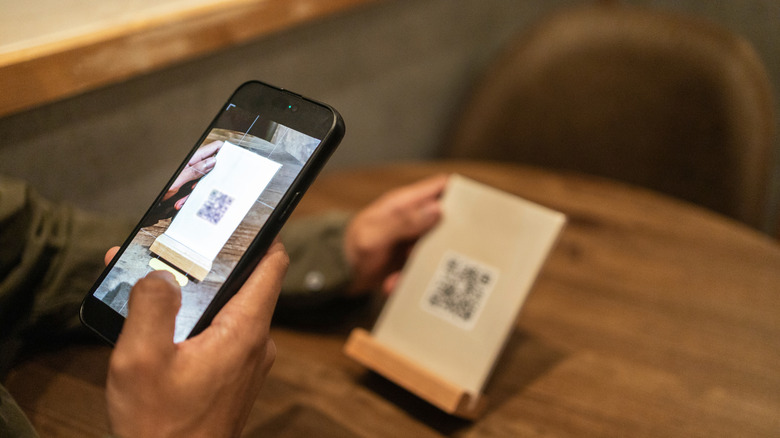
Gone are the days of leafing through restaurant menus before you order. Now there's a shiny little square for that, and millennials have taken to it like white on rice. According to a National Restaurant Association survey, 78% of millennials are perfectly comfortable using QR-code menus to order at restaurants. Boomers are much warier, with only 30% favoring QR menus for ordering.
Why the sharp divide? The most obvious reason is that boomers would rather not be dragged away from paper menus. Research suggests they prefer this method for very plain practical reasons: It's easier to read, easier to navigate, and it doesn't require any particular level of tech fluency. There's a more sentimental angle, too. QR codes all but force phone use during mealtime, and considering how much boomers value social engagement at the table, it makes perfect sense they'd be wary of a tool that makes device use inextricable from the dining experience.
11. Spicy food culture
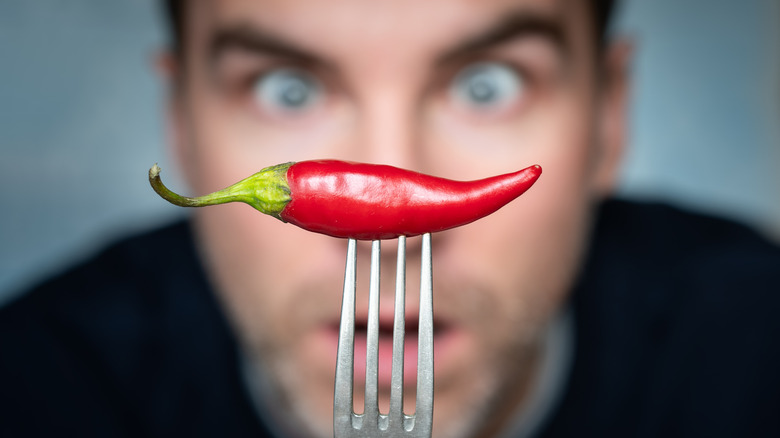
Millennials want heat, and not the dainty little kind that comes from a decorative dusting of black pepper. Research suggests they're more than game to take on some of the hottest peppers in the world. The obsession has gotten so out of hand that some have taken to hauling their own hot sauce to restaurants. Boomers don't seem nearly as caught up in the heat.
Why the spice snobbery? Boomers also grew up at a time when there wasn't the same broad appreciation for spicy food that exists today, unless they grew up in a culture that specifically prizes spicy food. Cooking was far more convenience-driven — think canned goods, frozen dinners, and other foods that tended to skew blander. Spiciness wasn't welcome at the average white American table.
There's also the fact that ethnic cuisines, where spicy food culture draws much of its mettle, were only just beginning to penetrate the mainstream when boomers were coming of age.
But spicy is everywhere now, so why are some of them still turning their noses up at it? Well, palates tend to mellow as people age, so spicy food may not land with quite the same zing for boomers as it does for millennials. Pair that with the higher food neophobia — reluctance to try unfamiliar foods — often seen in older adults, and it starts to make sense why you're unlikely to catch a boomer whipping out emotional-support hot sauce.
12. Snack dinners
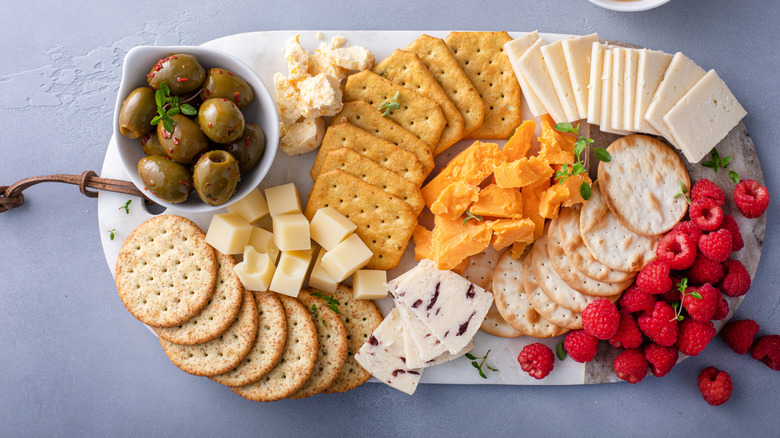
What do you do when when dinnertime rolls around and you're still tangled up in the chaos of daytime? Easy. Whip up a grazing plate, or, if you're feeling cute, a girl dinner. It sounds chic, but really it's just foraging around the fridge, gathering every edible drib and drab into one plate, or, if you'd like to class the operation up a bit, going full send with a micro charcuterie board.
The key force driving the trend has been millennials, whose on-the-go lifestyle doesn't always leave much room for a proper sit-down meal. But for all their convenience, boomers aren't entirely sold on snack dinners. It's not that they have anything against snacking; they do graze between meals themselves. Their biggest gripe is likely that snack dinners encourage disordered, fragmented eating, and for a generation raised on dinner being a whole production — place settings, cutlery, big ol' pots of food, the works — picking through odds and ends and calling it a night was always going to be a tough sell. Then, there's the fact that snack dinners are mostly a solo affair, which doesn't exactly flatter a generation that prefers company during meals.
13. Tiny portions
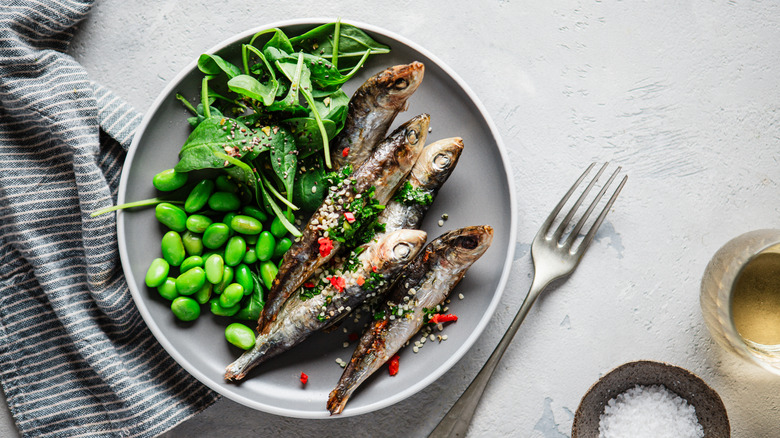
Snack-ification aside, millennials have found yet another way to dodge the hassle of a full meal: tiny portions. The idea itself isn't exactly new — tapas, mezze, dim sum, all those small-bite goodies have been around forever — but this crowd took it to a whole new level and started turning what would once have counted as appetizers into a full dinner.
Boomers, predictably, have been much slower to buy in. Their biggest deterrent is likely cost. Restaurants may shave a little off the price for tiny portions, but there's still a very real chance you'll end up paying entrée prices for appetizer-level fullness; a tough sell for a generation raised on frugality. Boomers were also raised at a time when abundance was just starting to knock on American doors. A full table spread, with the family gathered around it, was a classic image of American happiness, so tiny portions can read as bizarre, especially when nobody is actually going through hard times.
14. Organic-only culture
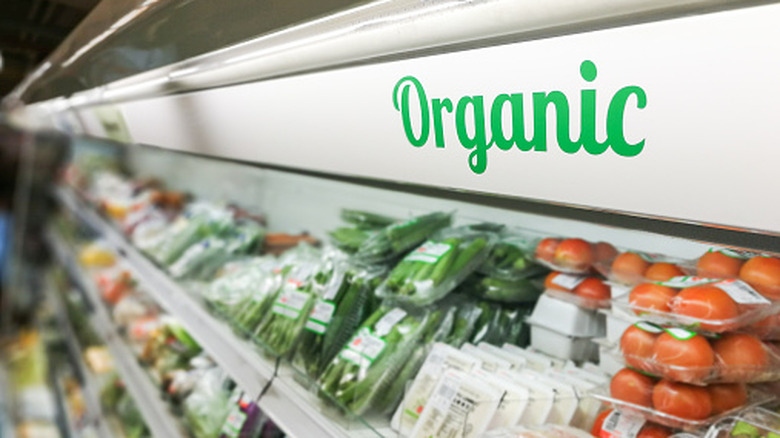
There's a groceries pecking order, apparently. At the bottom are the plain old Janes without a single certification worth mentioning, while perched smugly at the top are those toting that coveted organic label. Who's reaching for the top, you ask? Naturally, a trend that bundles clean living, a sustainability mindset, and health consciousness into something you can wheel home in a cart hits the millennial sweet spot in a big way, so it's no surprise they're leading the charge.
Boomers, though, aren't nearly as besotted. Why? Well, for one, organic labels have a nasty habit of inflating price tags, and while millennials and Gen-Z are willing to pay more for organic groceries, boomers are far less agreeable to footing the bill. Cooking with canned and processed goods also remains one of those quirky boomer kitchen habits they just can't seem to quit. It makes sense they'd struggle to understand why those foods are suddenly on the outs, replaced by products that can look suspiciously similar, only with a steeper price tag and a fancier label.
15. Meal kits
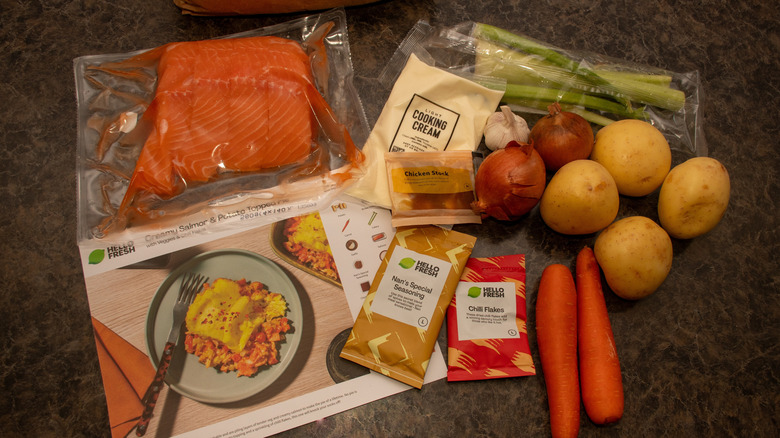
Meal kits: the subscription service that delivers on the fantasy of a home-cooked meal without any of the annoying bits. It's convenient, trendy, and, most of all, pretty immune to decision fatigue. The category's bread and butter is, of course, millennials, who seem to find this service genuinely more worth it than ordering takeout or making something from scratch.
Far less interested are boomers, kept away first by price. Meal kits can be intimidatingly pricey, clocking in significantly higher on average than grocery shopping per serving. And while millennials are pretty much suckers for convenience, boomers are far less drawn to it, so asking them to commit to a meal kit when they can just go grocery shopping might be a tough sell. Boomers are also less drawn to subscription services than millennials, with most keeping that kind of spending well under $100, which is basically pocket lint when meal kits can cost well over $20 a box, plus shipping.