

Martha Stewart Didn't Start Big. Here's How She Grew Her Garden To 156 Acres
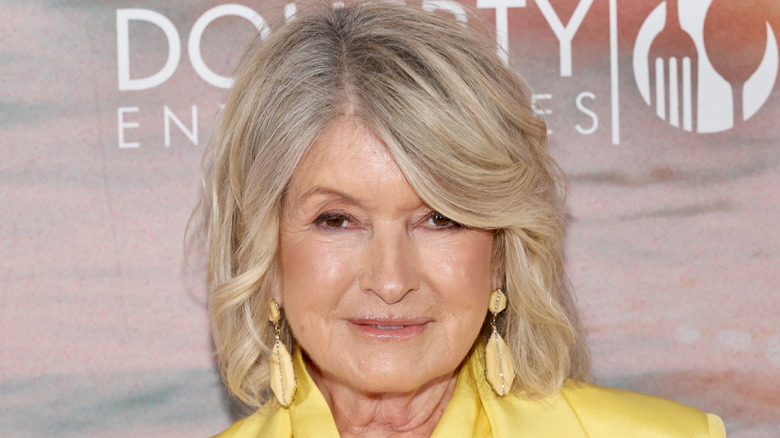
While Martha Stewart may be an expert source of gardening information today, even she had to get started somewhere. Her famous Bedford Farm in New York comprises over 150 acres of orchards, berry patches, fields, and greenhouses, but it's a result of over 80 years of experience, planning, and development, and that all began when she was just three years old.
As a child, Stewart often gardened to escape the hectic nature of her eight-person household. Throughout her life, she followed her biggest piece of advice for beginner gardeners: practice. Rather than start right off the bat ploughing fields and building greenhouses, she avoided being overly ambitious, developing gardening beds on her various properties throughout her life. For Stewart, especially, this practice and experimentation were especially important, as she still prefers to grow what she can from scratch, whether that's daffodils from bulbs or trees from saplings.
When she purchased her famous Bedford Farm in 2000, she applied all her decades of gardening experience to her blank canvas. Still, even after years of planning and execution, it exists in a state of flux. Stewart embraces continuing education, and her garden reflects this, whether that's replacing downed trees or mapping out new cultivars of flowers for her beds. Her space today straddles the line between garden and farm, with hundreds of egg-laying chickens, acres of cultivated woodland, and various horses and donkeys.
Stewart's recommendations for starting and growing your garden
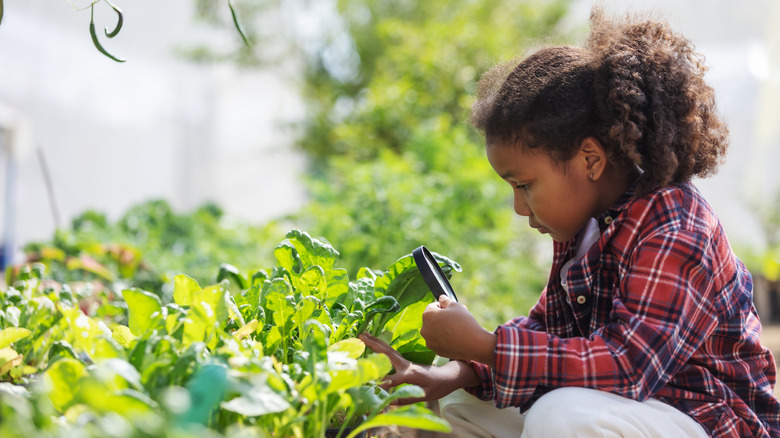
Starting your first garden can be intimidating, but luckily, you live in a world where Martha Stewart is more than happy to share all of her knowledge. She believes that starting with easy-to-grow plants, finding the right cultivars, and learning about your soil gives you the foundation you need to get as fancy or large-scale as you want further down the road.
When it comes to great vegetables to grow as a beginner, Stewart highly recommends leafy greens, especially lettuce. Not only is it gratifying to eat something you've grown so quickly, but it also thrives in less-than-ideal soil and sun conditions, all but guaranteeing success right off the bat. Of course, as with any plant, getting the most is about finding the right plant for your hardiness zone. Thankfully, this has never been easier thanks to the breadth of seed catalogs available online, so finding something perfect for your growing conditions is a cinch.
Growing all starts with the soil, and Stewart is a big believer in having hers tested every year or two. Even if you do everything else right, not having the right balance of nutrients can sabotage your crop, and such a disheartening result can turn you off of gardening entirely. This is especially important when growing tomatoes or other fruiting plants in your beds, as they're particularly voracious feeders that need optimum conditions to produce even a modest harvest.