

Why Trader Joe's Has So Many Recalls (And It's Actually A Good Thing)
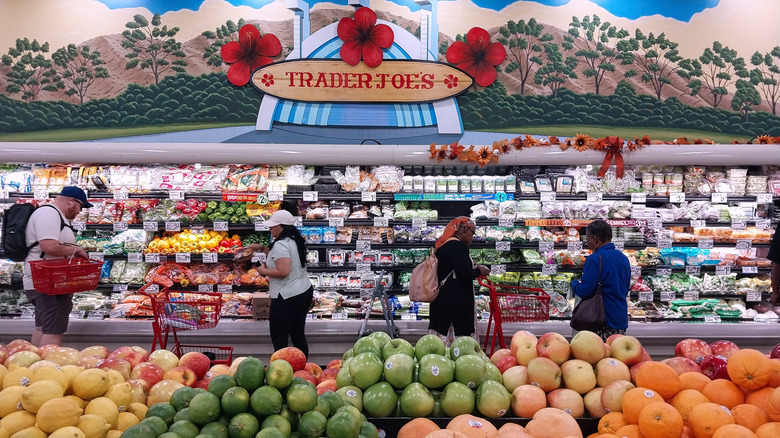
There are many ways Trader Joe's sets itself apart from other grocery chains. There's the quirky hand-painted signs, its creative range of private-label products, and the try-before-you-buy policy. But another reason TJ's shines is because of its large number of recalls. You read that right — while numerous recalls may seem like a major red flag, at Trader Joe's, it's a healthy indicator of a proactive food safety protocol.
On its website, Trader Joe's states the following about its recall policy: "We err on the side of caution and are proactive in addressing issues. We voluntarily take action quickly, aggressively investigating potential problems and removing the product from sale if there is any doubt about its safety or quality." This proactive approach means that Trader Joe's remains on top of its food safety policy, ensuring that customers receive the highest quality products, and if there ever is an issue, it is likely to be promptly resolved.
On top of this proactive approach, Trader Joe's also revealed that its recall communications "go well beyond regulatory requirements: we share news through in-store signs, on our website, and through email alerts." Under FDA regulation 21 CFR § 7.42(b), firms need only notify direct accounts about recalls, while public warning is reserved for urgent situations. So while other grocery chains can easily sweep smaller recalls under the rug for the purpose of protecting their brand image, customers at Trader Joe's can shop comfortably knowing that consumer safety is always put first.
What are some of Trader Joe's biggest recalls
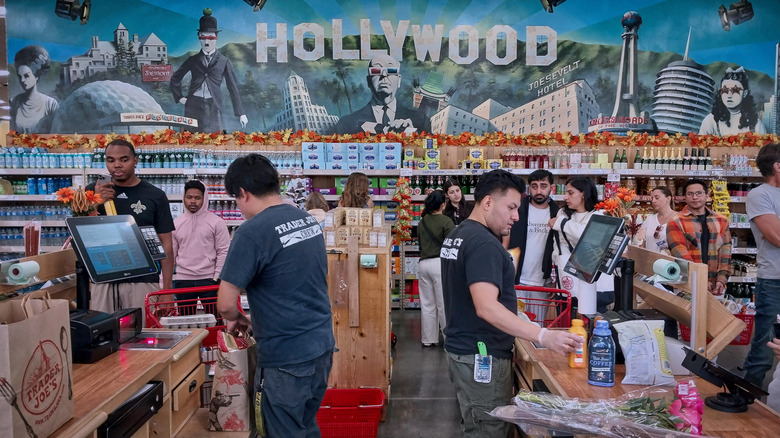
Approximately 80% of Trader Joe's products are private label, meaning they are produced by a third-party manufacturer but sold under Trader Joe's brand name. This means that when a recall occurs, it's usually got something to do with its suppliers. In an ideal world, there would be no recalls, but a small positive is that they've allowed eagle-eyed fans to identify the suppliers of their favorite products, including the major brand behind its pistachios.
While many of Trader Joe's recalls involve relatively minor issues, there are several cases of very serious ones. As of writing, an ongoing recall has seen nearly 50 million pounds of frozen food products being removed due to glass contamination. This has been classified as a Class I recall, which means there's a potential for adverse health consequences or death if the product is consumed. This isn't the only recent recall caused by food contamination, and in March 2026, Trader Joe's Focaccia Bread with Roasted Tomato and Parmesan was recalled due to the presence of metal fragments.
Although Trader Joe's has a proactive food safety policy, it isn't always enough to guarantee customer safety. In 2025, a Listeria outbreak linked to pasta meals produced by Nates' Fine Foods tragically resulted in 27 hospitalizations and seven deaths across 19 states. This recurring pattern of serious recalls has raised concerns over the limited transparency of the identity of Trader Joe's suppliers.