

10 Biggest Mistakes Everyone Makes With Biscuits And Gravy
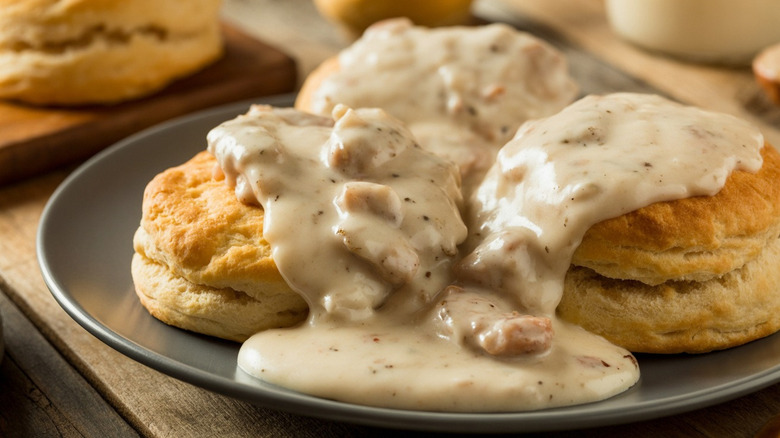
Biscuits and gravy might just be the most iconic Southern breakfast, although grits would probably challenge them for the crown. Fluffy, buttery biscuits slathered in a meaty sausage gravy are hearty, savory, filling, and delightfully rich all at once; there's a reason that it first gained popularity feeding lumberjacks. It's the epitome of morning comfort food, a dish that has you smiling all day long.
Provided, of course, that you make it right. Sadly, there is a lot that can go wrong if you try to make biscuits and gravy at home. Home cooks and food writers alike have discovered the myriad pitfalls and the most common mistakes in involved in making this deceptively complex dish. Biscuits can end up tough, flat, under-baked, or over-baked. The gravy may turn out gluey or watery, or just lacking in that meaty, creamy flavor you want. The good news is that, if you know the most common mistakes ahead of time, you can avoid them and find yourself with a plate of the best breakfast around.
Not using the drippings
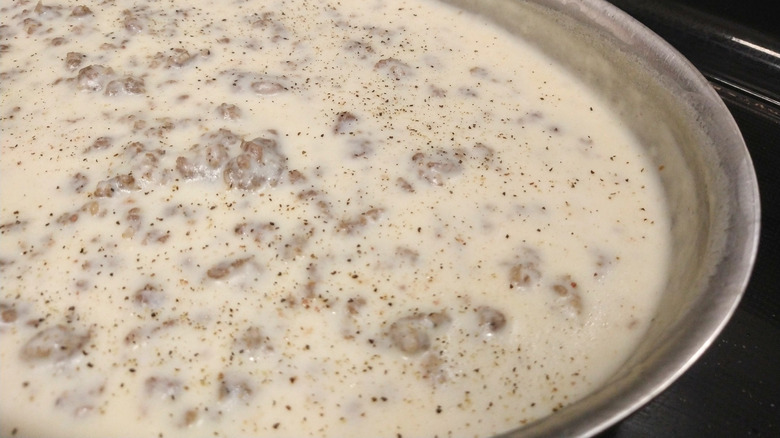
There are a lot of recipes out there that suggest different ways to make your sausage gravy. Some claim you can try using vegetable oil, butter, margarine as the foundation for your biscuits' beloved sauce. Go ahead and ignore those alternative gravy recipes: they are all mistaken.
Okay, that's actually not entirely accurate; country gravy does use butter as its primary source of fat, and it's a wonderful staple in the right circumstances. But as commenters on Reddit will attest, a great sausage gravy (which is the classic gravy for biscuits and gravy) simply must begin with the actual drippings from browned sausages. Those drippings contain so much of the savory, succulent flavoring that makes biscuits and gravy such an incredible dish. It helps strengthen the meaty goodness and the heartiness of the dish, making sure the sausage flavor infuses everything. The right combination of drippings, flour, and milk will go a long way when making the perfect sausage gravy.
Adding butter that's too warm
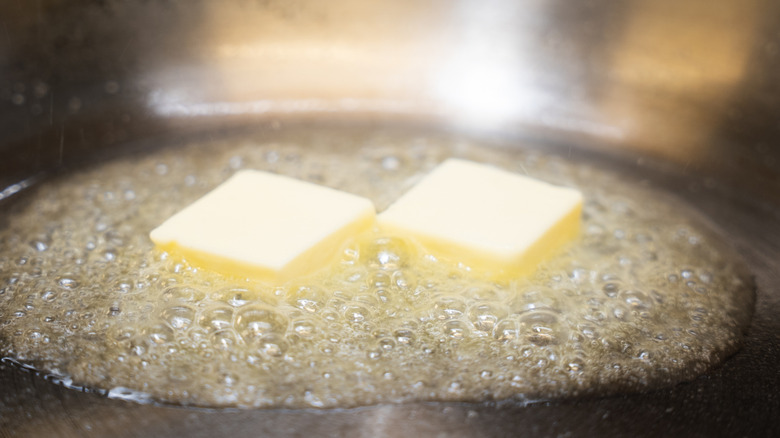
If any of the mistakes when making biscuits and gravy could be called a "classic," it would probably be this one. Too many home cooks think that using warm or melted butter will help their biscuit dough come together faster. Instead, they quickly discover that all they've made are very disappointing biscuits.
It can't be emphasized enough how good biscuits need cold butter as part of their dough. There are two key reasons for this. First, using cold butter ensures that the butter melts into the dough as it bakes, infusing every inch with all its richness. Second, the melting butter gives off steam. Steam is absolutely essential to making sure the biscuits have the perfect flaky texture by expanding the layers, giving the biscuits extra rise. For the best results, you'll want the butter to be as cold as possible (you can even pop it in the freezer) and cut it up into small cubes. Then you'll want to mix them in quickly so the heat from your hands doesn't melt them.
Overworking the biscuit dough
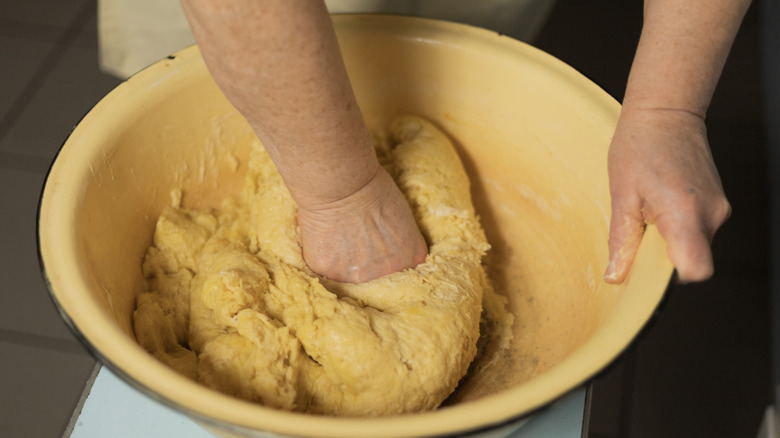
Whenever an amateur makes biscuits, they tend to really work the dough. The worry, it seems, is that the dough won't come together unless it's really mixed. But giving in to this understandable but misguided line of thought leaves home chefs with inferior biscuits.
Excellent biscuit dough really should just come together with as little contact from you as possible. As home chef Redditors shared, you want to fold the dough together rather than mix it. Those Redditors aren't blowing smoke either. Cynthia Christensen, recipe developer and food writer at But First We Brunch, shared an almost identical sentiment about a gentle touch for making biscuit dough. "Gentle and minimal handling is key," she said. "You just want to be sure not to knead your dough, instead folding the dough over onto itself to build some layers and still keep your fluffy interior."
By contrast, overworking the biscuit dough causes the butter in it to melt, costing you valuable steam. Also, it builds up gluten, which results in tougher biscuits. Not exactly what you want first thing in the morning. Or ever.
Cutting the biscuits wrong
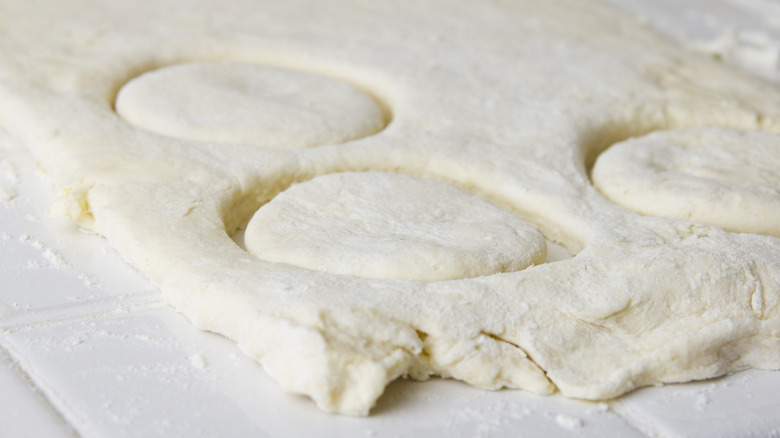
When you think of biscuits and gravy, obviously, you think of the luxurious gravy smothering perfectly round biscuits, right? And so, you may be tempted to ensure the breakfast on your plate matches the picture in your head and take extreme measures to cut your biscuit dough into circles. Fight this urge, because that's a mistake that will cost your taste buds dearly.
When you're cutting your biscuits, make sure the tool you're using is actually sharp, not dull. According to Christensen, you want to avoid any "hack" that tells you otherwise, like using a Mason jar. "Some people will tell you to use a drinking glass or a Mason jar, but the rounded edge will not cut the biscuit cleanly and ... will compress your edges, resulting in a more dense biscuit that doesn't rise as tall."
Additionally, if you're using a biscuit cutter, do not twist the cutter while cutting; try to press straight down and pull straight up. Twisting the dough compresses the edges of the biscuit, preventing them from rising properly and resulting in a tougher texture. A better course of action will be to use a sharp knife if you don't have a sharp metal biscuit cutter.
Letting your baking powder expire
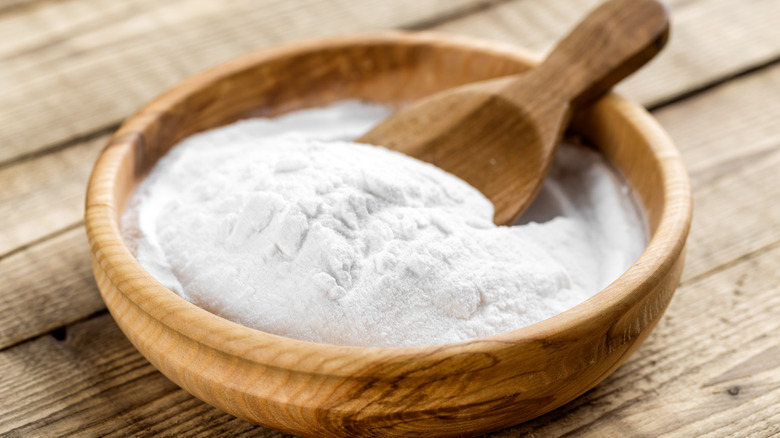
You've done everything right. You've treated your extremely cold butter with care. You've made sure you've just barely got the biscuit dough together with minimal work. And you made sure to cut them with something ultra-sharp. And yet, when you pull them out of the oven, your biscuits still look flat and disappointing, not at all gravy-worthy. What gives?
If this is happening, then you need to check the expiration date on one key ingredient: your baking powder. While steam from the melting butter in the dough does give the biscuits a significant rise, baking powder is vital to making sure they rise at all. If it's expired, while it won't be harmful to eat, it certainly won't work at full efficiency. Surprisingly, baking powder generally only really lasts three months after opening, so this mistake tends to come up more often than you might expect. This might be a good time to add it to your next shopping list.
Not seasoning your gravy
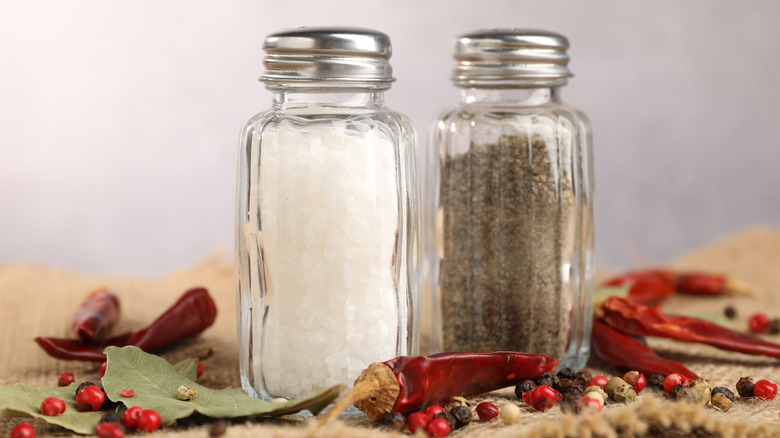
A persistent mistake when making biscuits and gravy is assuming that the saltiness of the sausage will transfer to the gravy. It makes sense when you think about it, but unfortunately, it doesn't quite work that way.
If you're finding your sausage gravy is tasting bland, the first thing you need to do is add a good amount of salt, tasting as you go so you don't end up over-salting it. If that still isn't doing the trick, then the go-to seasonings and spices tend to be fresh-cracked black pepper and fresh sage. The black pepper adds a hint of spicy heat that won't overpower, so long as you keep a light touch, whereas the sage adds warmth and earthiness that enhances the pork flavor. But at the same time, you should feel free to experiment with your chosen gravy seasonings. It is, after all, going to be your breakfast.
Forgetting the cheese and bacon grease

If you're still finding your biscuits and gravy not hitting the mark, then it's time to start experimenting. Maybe the mistake is sticking to the traditional recipe rather than trying something a little different.
According to the good folks on Reddit, adding a little bacon grease to your gravy can do wonders. It adds extra meatiness and a smoky, salty edge to the sauce that will prove irresistible. And as for the biscuits, making them bacon-cheddar drop biscuits rather than regular Southern biscuits brings the flavor and avoids a lot of the common mistakes surrounding biscuit baking. As Jessica Morone shared on Jess Loves Baking with her recipe, "Drop biscuits are great because you don't have to roll out and cut the biscuits — you can just drop them onto the baking sheet and bake them." Plus, there's bacon and cheese in the biscuits. How can you do much better than that?
Rushing the roux
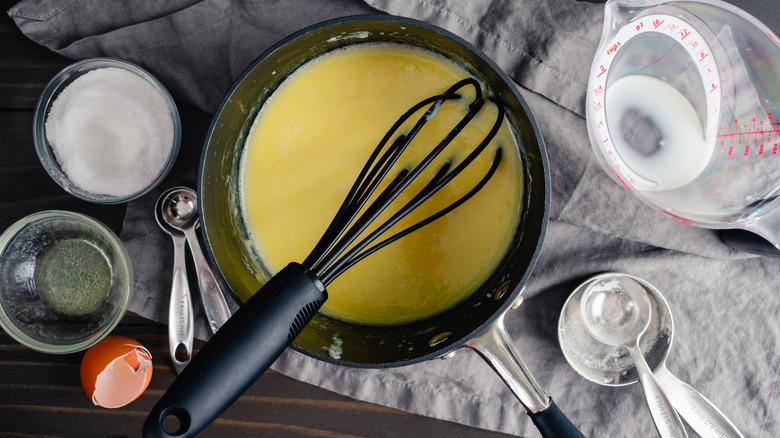
The foundation of a great gravy is a great roux, the thick base that can create so many wonderful flavors. However, in your rush to create your favorite breakfast, you might be tempted to rush on the roux as well. And this is a mistake that will cost you.
Rushing your roux will leave you with a lumpy gravy that will be unpleasant, to say the least. That can happen if you fail to fully brown the sausage, which means there is less fat to work with in the pan and thus less liquid for the flour to soak up. Alternatively, you could not give the flour enough time to brown in the sausage drippings or add the milk in too quickly. So instead, take it slow. Allow the flour time to get golden-brown and fragrant. Slowly add in the milk while whisking vigorously. Treat your roux right, and the results will speak for themselves.
Making the gravy too thin or thick
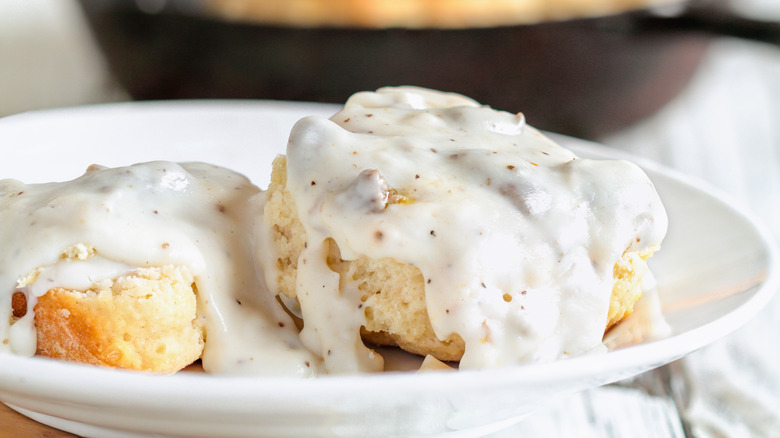
There's a certain texture of gravy that just hits the spot. It's not thin or watery, nor is it thick and stodgy. It's just the right balance to make your biscuits and gravy shine. The problem is actually making it.
There are a lot of solutions to fixing gravy that is drifting to one extreme or the other. A gravy that's too thin can be fixed by letting it cook down and reduce, or by adding extra flour. Just be sure that, if you are adding extra flour, you whisk vigorously as you do so and only add a little at a time. Otherwise, you end up with gravy that's too thick, which may be worse.
If your gravy does tastes unpalatably thick, try to add a liquid that will enhance its flavor. Avoid using water, because that will dilute the flavor. Milk or a stock should do the trick, so long as you moderate how much you add in. And above all, taste your gravy as you cook to make adjustments as you go. The perfect gravy texture is the one that tastes right to you.
Not bringing the heat

There are so many mistakes that could come from making biscuits from scratch. But perhaps the most insidious is the one you may not even notice: your oven's heat.
Amazing biscuits need much more heat than you are expecting ... much more. Experts suggest you allow your oven to preheat to 425 degrees Fahrenheit and then allow it to warm up at that temperature for at least ten minutes prior to putting the biscuits in. Other home chefs will argue that you should go as high as 450 degrees Fahrenheit. The high heat causes the butter in the biscuit to steam up quickly, achieving maximum rise while also giving the biscuits a lovely golden-brown top. If your biscuits still look pale or aren't quite rising correctly, it may be time to have your oven tested to see if there are any cold or hot spots. These can cause uneven bakes and uneven biscuits.