

The 10 Most Common Coffee Brewing Mistakes
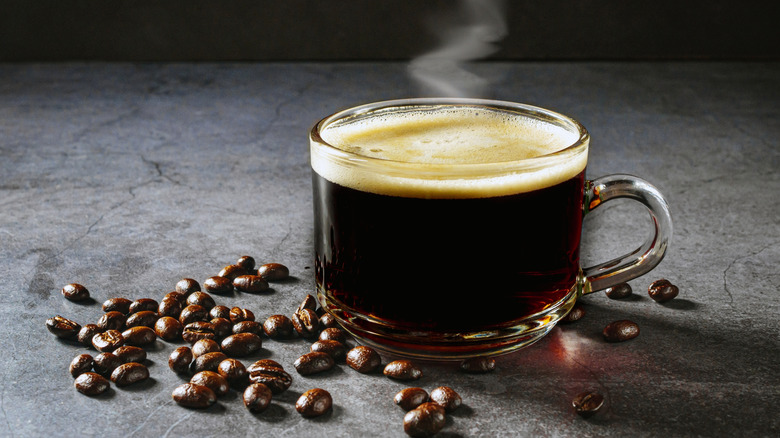
As ubiquitous as a pot of coffee in the morning is, not every cup is created equally. If you've noticed a difference between what you're drinking at home versus the coffee shop, there are likely several culprits to blame. In my decade as a barista and specialty drink maker, I've encountered all manner of obstacles between the bean and a great brew. Everything from water quality to the amount of it and its temperature affects the final result, alongside the quality, age, and roast level.
Coffee shops generally have precision equipment to help create the best mug-full for the customer, but making great coffee at home can be trickier without the advantage of built-in temperature gauges and automatic grind portioning. That doesn't mean that you can't make incredible coffee at home, however. It'll just take a bit of practice and the right equipment. These tips can point you away from common home brewing mistakes, ultimately helping you create your ideal cup of ambition every morning.
1. Using the wrong water ratios
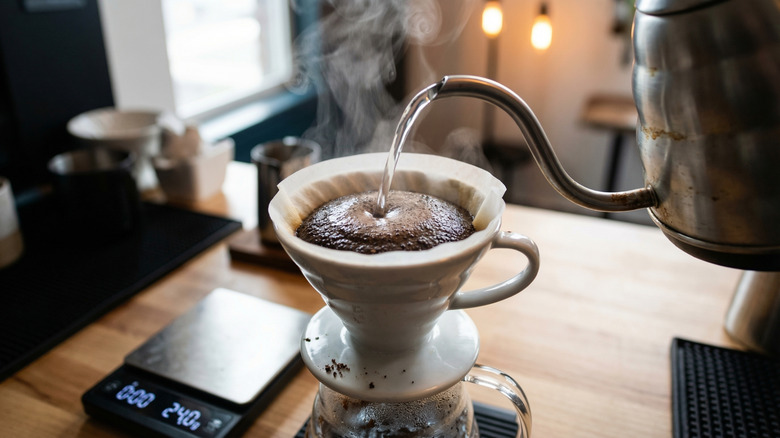
Using too much water or coffee when brewing a pot is going to be trouble. Either it will be thin, pale, and weak, or it will be too dark, acrid, and waste beans. To avoid both those issues, use the best water ratio for the type of coffee you're brewing. That will help you find the best balance for your daily cup.
A good general rule is to use 1 to 2 tablespoons of coffee grounds for every 6 ounces of water, depending on your desired strength. And remember that brewing a strong coffee makes it easier to convert to an iced version. If you want to be more precise and replicate the same cup of coffee each day, use 1 gram of coffee grounds for between 13 and 16 grams of water. Feel free to experiment with the different ratios while finding the right one (or ones) for you.
2. Brewing with the wrong temperature water
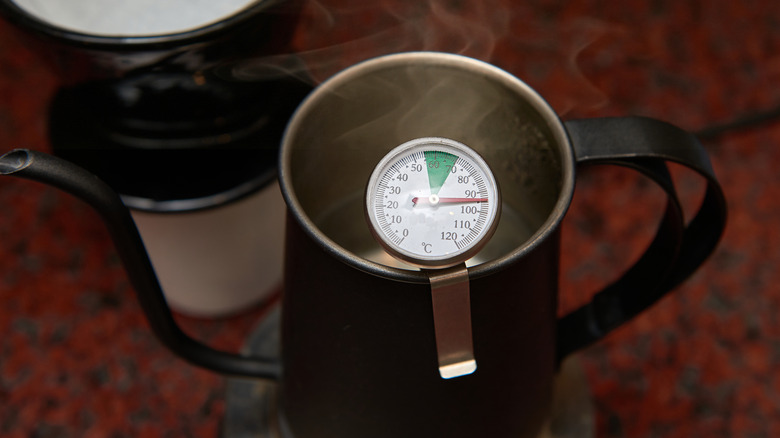
Water temperature for brewing coffee is important. The hotter the water, the faster the oils in the coffee will extract. But using water that's too hot will scald the coffee, making it bitter. If the water's too cold, the oils won't extract properly, and the coffee will be weak. The ideal temperature for the best extraction in most brews is between 195 F and 205 F. Using a thermometer to reach the ideal brewing temperature will vastly improve your home coffee experience.
Of course, if you're not making pour-over or French press coffees, it's harder to control the water temperature. Most drip coffee makers don't have a thermometer built in. But don't despair. A study published in Scientific Reports found that the temperatures many drip makers brew at won't affect the final taste of the coffee. Instead, it's the roast's strength and the extraction time that matter most in automatic machines.
3. Not adding salt to the grounds
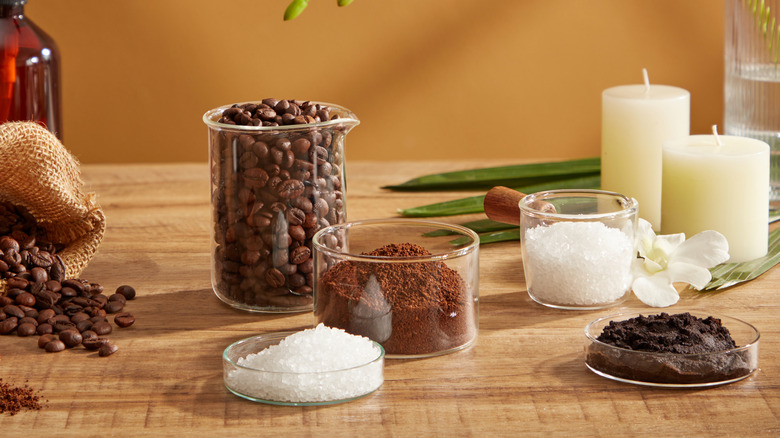
If you're a fan of caffeine but not bitterness, adding a pinch of salt to your coffee grinds can help smooth out the taste. Salt decreases the tongue's ability to taste bitterness. Using it to brew coffee can cover up over-extraction, the flat taste of instant crystals, and lower-quality beans. It's not magic, of course, so don't expect miracles. But you might be surprised how effective a little salt is at rounding out a cup.
To try it for yourself, add a salt of your choice to the coffee grounds and mix the two before beginning to brew. A fine-grained salt will dissolve more easily than a coarser one, so crushing larger grains of sea or Kosher salt can help distribute it through the coffee more effectively. However, the finer the grain, the easier it will be to over salt the coffee, so be cautious how much you incorporate. To hedge your bets and give you more control over the results, you can add a bit of salt to the cup after brewing, too.
4. Trying to get fresh flavors from old beans

Coffee gets much of its flavor from the oils that are extracted into the water during the brewing process. That means you could never get great flavor from old beans because they lose essential oils faster than you might think they would. One culprit in this process is oxygen. When the grinds are exposed to air, they immediately begin to oxidize. Initially, this helps bring out the coffee's flavor, but all too soon, the oxidation dries out the bean, lowering the amount of oil and flavor the grinds can produce. To sidestep the problem, only grind as much as you need for that cup or pot.
You should also store the beans in an airtight container after opening the bag because time, moisture, and temperature are three other major factors affecting your coffee's freshness. Keeping the beans away from air is a start, but making sure they don't get damp or sit in a humid kitchen for too long makes a difference, too. To prolong the beans' lifespan, they can actually be frozen for up to six months to ensure freshness. Just be sure to use a freezer-proof airtight container for them.
5. Not understanding the difference in roasts

Roasting coffee intensifies its flavors and affects the acidity of the finished product, so understanding the difference between light and dark roasts can make or break your coffee-drinking experience. Light roasts are exposed to heat for less time, meaning they have less water removed during the process and fewer of their natural acids are broken down. This increases a light roast's floral or fruity flavors and "bite," due to the higher acidity. Medium and darker roasts, on the other hand, have less acid, resulting in smoother, richer brews.
Roasting coffee is a precise process. If you want to try it at home, listening to the beans will help you know when they're ready. Sound odd? As the coffee beans are heated, a loud crack is heard as water vapor escapes. The first crack is for light roasts because the coffee is most acidic then. A second crack indicates a medium to dark-roasted level where acidity noticeably decreases.
In my years as a barista, I've found that darker roasts are ideal for lattes and drinks that will have milk, cream, sugar, or syrups added. The dark roasts brew coffee with a stronger taste, so they stand up to the additional flavors without becoming watery. For drinks with little to no additions, like the Americano, light roast coffees show off their fruity tastes and highlight the acidity without anything getting in the way.
6. Brewing with poor quality water

Brewed coffee is mostly water, so the quality of what you brew with will greatly impact the outcome. That might make you think of using bottled water, but even that can have taste-altering minerals, commonly called hard water. The difference in water quality across municipalities, states, and countries varies widely. There are kits that allow you to test water at home, so you'll know exactly what you're working with in your area.
Filtration systems, whether you attach them directly to the faucet or use a pitcher, help create better water for coffee brewing. The water you use should be odorless, clear, and free of visible particles. The filters remove organic compounds and minerals, leaving the water without metallic or sulphur tastes. Filtering the water will also help preserve your equipment, as water and carbon compounds form limescale, a flaky white substance that reduces flavor and adheres to your coffee maker.
7. Not choosing the best grind size
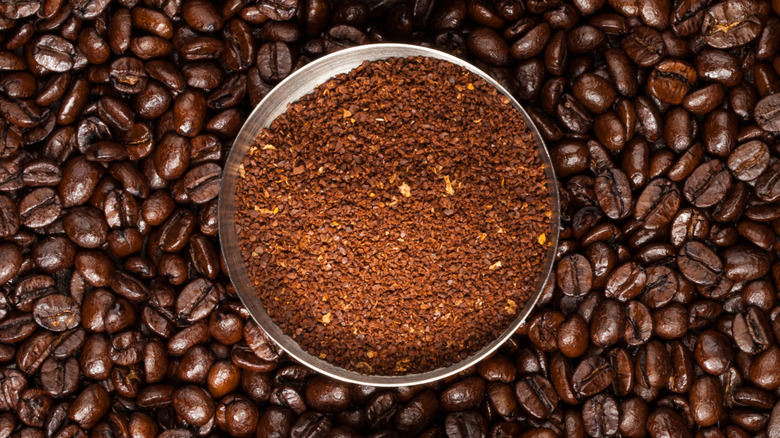
When you grab a pack of ground coffee from the supermarket aisle, you might not consider what size the grounds actually are. While it might seem like a small matter, the size of your coffee grounds makes a big difference in its taste. Coarse grinds work well for French presses because it's easy to over-brew or produce bitter coffee with a fine grind. Coarser grinds take longer to extract flavor from than finer grinds because the finer the particle, the faster the hot water can pull the oils from it. Fine grinds are easy to burn due to this.
To avoid this problem, you can grind your own beans at home to control the size and amount for that cup or pot of coffee. Burr grinders will uniformly crush the bean, while bladed grinders tend to shred them in irregular chunks. Whichever you choose, adding a few drops of water to the beans before grinding can help give you a finer grind with less static electricity. Grinds clump together and do not allow water through if there's too much static electricity. There's also the benefit of having the freshest cup of coffee possible, something that can never be taken for granted once you've tried it.
8. Not allowing the coffee to bloom
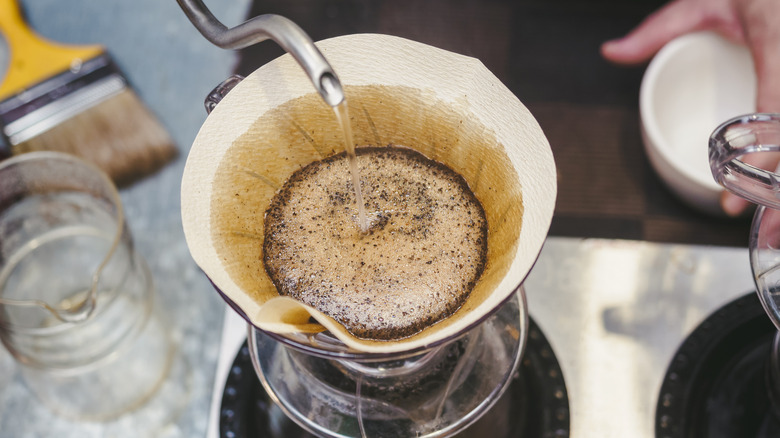
Just like flowers, it takes coffee a moment to open up, but it's a beautiful thing when it does. Blooming coffee refers to the initial release of oils and carbon dioxide when hot water begins interacting with the grounds. Bubbles will appear as the process begins, letting you know how fresh the grounds are. Coffee enthusiasts are divided on what comes after covering the grounds with water, however. Some believe allowing the coffee to rest undisturbed for a moment extracts the best flavors, while others think that agitating the grinds by stirring or swirling is essential. In my experience, it's a little of both.
After pouring the hot water over the grounds and seeing the bubbles begin, stir the coffee grounds assertively to ensure that all the grounds come into contact with the water. That allows the most even extraction to take place. After the stir, let the liquid tornado calm itself, and don't agitate it again. As long as you create enough movement to thoroughly combine the grounds and water, letting the mixture brew undisturbed lets the water complete the extraction without pushing any of it through before it's ready.
9. Using dirty equipment

Coffee shops follow strict cleaning regimens to maintain their equipment. That's one reason the coffee they brew tastes so good. At home, it can be easy to forget that it takes more than washing the carafe and brew basket to clean your machine. De-scaling your coffee maker will instantly give your next pot a flavor boost.
What are these scales, and how do you remove them? Well, earlier we talked about the way minerals, like magnesium and calcium, combine with water to form limescale, a flaky, white substance that sticks to the inside of coffee makers. The stuff doesn't just look bad; it also affects the taste of your coffee and can clog up the coffee maker's delicate parts. Luckily, there are numerous kits and powders that will easily descale your home equipment.
Don't forget to deep clean your carafe, either. Many home carafes are washed daily, but are rarely scrubbed to remove the dark brown stains that build up around the bottom and sides of the container. That's a common error that adds acidity, and sometimes rancid tastes, to the coffee. To fix that, put half a dishwasher pod into the carafe and fill it with boiling water. Leave it to sit for between 30 minutes and overnight before pouring it out and rinsing it several times. This leaves you with a sparkling carafe that can instantly boost the taste of your morning joe.
10. Not freezing any leftover coffee
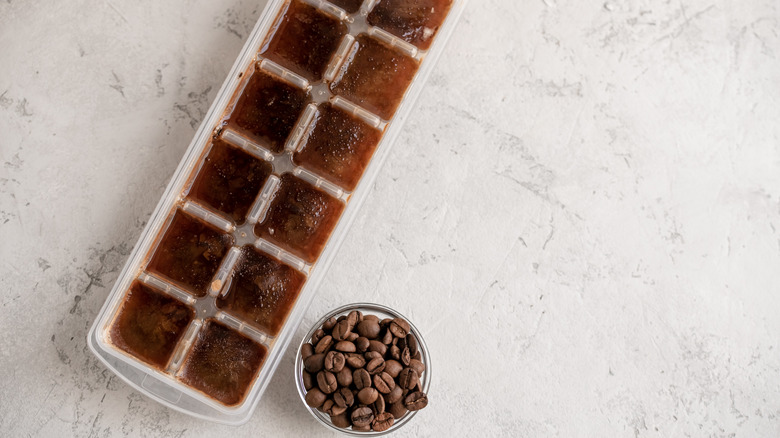
After working so hard to create the ideal mug of coffee for yourself, why would you let any of it go to waste? Freezing any leftover brew can preserve your work until you're ready to use the pieces in an iced latte or dessert. It's easiest to use an ice cube tray for the task, particularly for small amounts of leftover coffee. But using mini loaf pans, muffin tins, or even resealable freezer bags are all good options you probably have on hand, too. After freezing the coffee, it's always best to store it in airtight containers to prevent the drink from picking up any odd flavors.
To use the frozen stuff in cooking, take out as much of it as you'll need and let it thaw between a few hours and overnight in the fridge. You can carefully and gently thaw it in the microwave, but the odds of it tasting bitter are high. To use frozen coffee in a drink, take the cubes and pour the milk of your choice over them for a quick and easy latte. And don't limit yourself to just coffee. Espresso martinis and other cocktails can benefit from a coffee ice cube, too.