

5 Reasons You Should Buy Meat From A Butcher Instead Of Costco
We may receive a commission on purchases made from links.
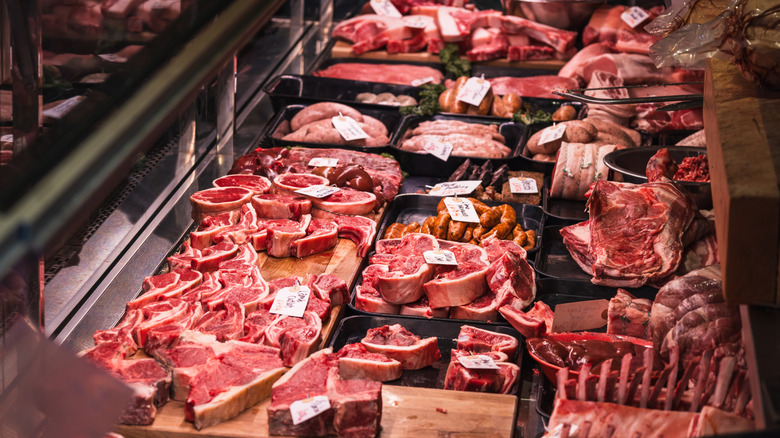
Costco certainly has its meat enthusiasts, and why not? The big box retailer sells beefy items like whole strip loins for considerably less than you'd pay per steak, and boneless pork loins for something like $2 per pound. Sometimes you can even find mispriced meat that generous cashiers will sell for the low, marked price. Further, Costco's meat is typically regarded as good-quality, as many customers are proud to fill their refrigerators and freezers with its USDA Prime beef and other cuts. Still, according to the "Butcher Wizard," Brad Baych, a professional chef and butcher, butcher shops will always have the edge on supermarkets like Costco.
He explained, "Butcher shops and big box retailers each have their own pros and cons. Big box retailers like Costco are going to be cheaper than your average butcher shop. The quality and selection of higher grades [tend] to favor the local butcher shop." Naturally, there are a variety of other reasons why you should head to your local meat counter rather than hitting up Costco. Here are five good ones.
Butcher shops feature premium cuts more consistently
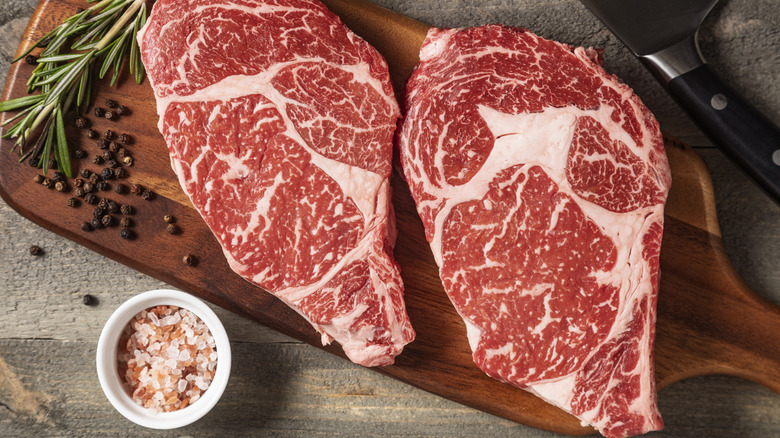
Brad Baych explained that because big box retailers have lowered prices to the point where butcher shops can't possibly compete, the latter instead have opted to offer customers more luxe cuts and varieties of meat. "You see more local butcher shops offering Prime grade beef or even wagyu," he noted. While it's true that Costco does sell wagyu occasionally, it doesn't necessarily carry it with the consistency that a butcher shop might.
You'll receive customization, communication, and expertise at the butcher shop
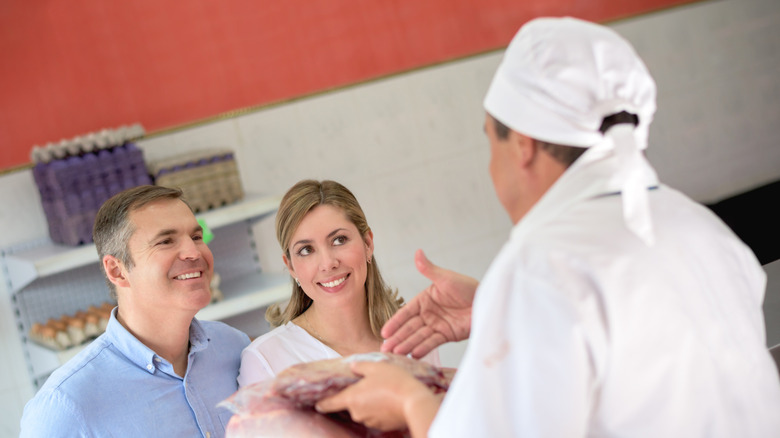
Want a specific cut of beef, prepared in a certain way for a specific method of cooking? At most big box stores and supermarkets, you're at the mercy of whatever is available in the meat cooler (even if these stores have butchers on-site, they typically don't take special requests).
Butchers, on the other hand, have made it their livelihood to get you exactly what you want — and even what you might not know you want. "You can go into a butcher shop and talk to a knowledgeable professional who can give you advice on what cut will go best with your particular recipe or occasion. They also are more apt to make special orders if you have a unique request," Brad Baych told us.
You're keeping your money in your local community
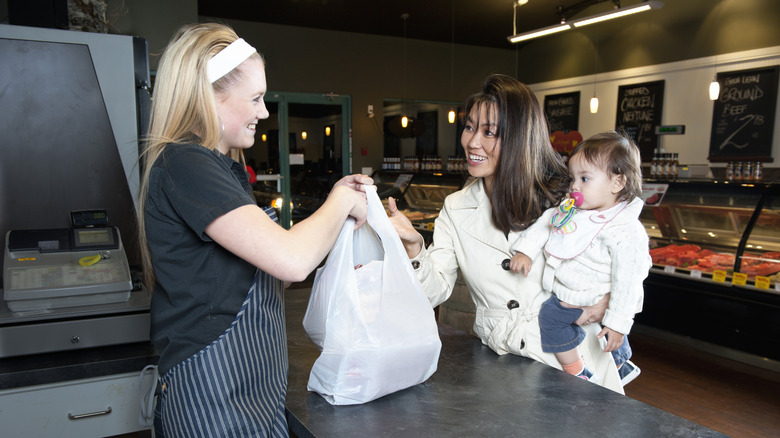
We all know the merits of shopping locally, and while Costco is more benevolent than most corporations, shopping there is still supporting a large company, based out of state (if you don't live in Washington). Your locally owned butcher shops, on the other hand, "are small single[-]location businesses with the owner on site," according to Brad Baych. And when you choose to spend your money with them, you keep your hard-earned cash within the same community in which you live.
There's a possibility for superior grinds
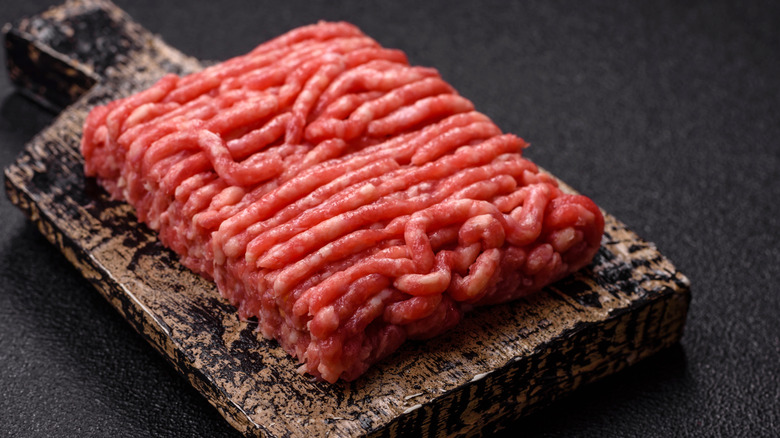
Perhaps Brad Baych's favorite thing about heading into a local butcher shop over sourcing his meat from Costco is the possibility for superior ground beef. "The ground beef at a butcher shop might have a base of sirloin or chuck[,] but they add the trimmings of tenderloin or ribeye or even brisket," he explained. They'll do this to use up leftover beef so that no good meat ends up in the garbage (which also contributes to less food waste, an eco-friendly practice). Further, butcher's shops might offer house-blended meats, like special sausages or ready-to-cook burgers, the quality of which cannot be matched by warehouse chains.
It all comes down to provenance
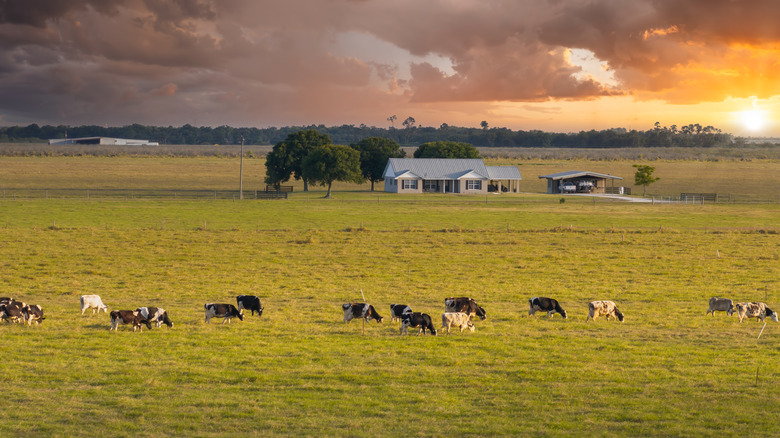
Finally, do you think your typical Costco employee could tell you from what farm your package of beef or chicken came? Neither do we, but chances are good your local butcher could give you the address or directions to the exact location from which their last shipment of beef came in.
And because butchers are more likely to get meat from local farms, the animals on the farm were probably more humanely and sustainably raised and slaughtered, the trucks used to ship the meat emitted less CO2, and the beef, pork, or chicken behind the counter is likely a lot fresher, too. Knowing the provenance of the meat they sell is a butcher's superpower.