

8 Of The Biggest Cheese Recalls In The US
Cheese is one of the most trusted staples in American kitchens, with large grocery chains carrying hundreds of varieties and brands. However, through the decades, some of the most popular market-dominating brands have been subject to severe recalls that have shaken consumers and altered health and safety practices. These recalls occur for several reasons, including bacterial contamination and foreign objects found in the food. Even the most mass-produced and widely consumed foods don't have a flawless production process, and the brand usually pays the cost for this.
Some recalls have been milder, avoiding hospitalizations or illnesses, but some were incredibly dangerous, causing illnesses, hospitalizations, and even deaths. Many also prompted investigations for the FDA or CDC to make sure that all affected products were taken off shelves and as much damage control was done as possible. Looking back on the biggest of these recalls isn't just a history lesson, but also a good way to understand why food regulations are the way they are, and what you can do to be on the lookout for other potential recalls.
Great Lakes (2025)
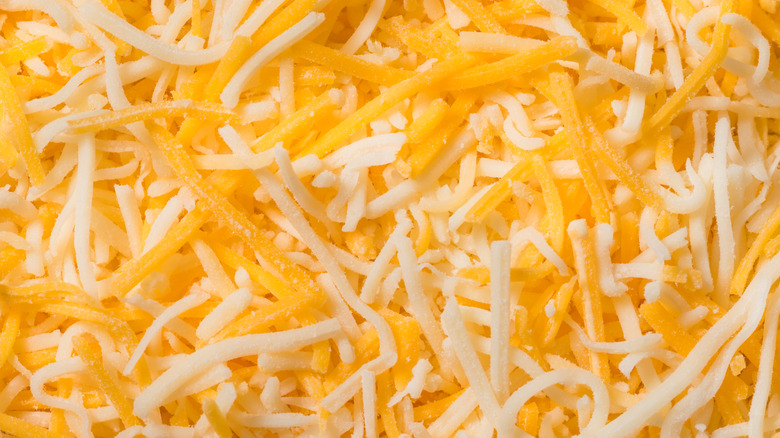
In one of the most recent of the country's largest cheese recalls, Great Lakes Cheese issued a recall in late 2025 regarding concerns of potential metal fragments in the packaging. The issue was traced back to faulty manufacturing equipment that may have shed small metal pieces while processing the shredded cheese.
Over 250,000 cases of the shredded cheese were recalled and pulled from retailers such as Target, Aldi, and Walmart. While no serious injuries were immediately reported, a recall like this can be extremely damaging to a large brand like Great Lakes that distributes widely across the country.
This was classified as a Class II recall, which means the affected products could cause temporary or reversible harm, but the risk for severe injury was low. Even though this was not deemed as the most severe type of recall, foreign objects in food products are not to be taken lightly. The risk of choking or injury is still present with any foreign body recall. Recalls involving metal fragments are not as rare as one might hope; in only the past few years, there have been similar recalls in national brands of granola bars, cereal, and chocolate.
Old Europe Cheese (2022)
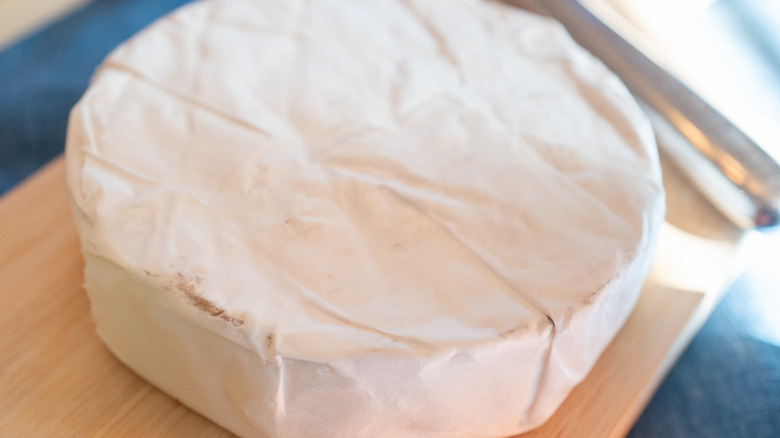
Old Europe Cheese faced a major recall in 2022 after Brie and Camembert cheese products manufactured by the company were linked to a Listeria outbreak spanning multiple states. According to FDA information, this outbreak hospitalized several people and resulted in at least one death. Listeria monocytogenes can be extremely dangerous for the general public, but especially so for children, the elderly, and immunocompromised people.
Soft cheeses such as Brie and Camembert are more vulnerable to Listeria bacteria because they do not usually undergo cooking before ingestion, and the moisture-rich material proves to be a favorable environment for bacterial growth. Even with the FDA regulations for the U.S. version of Brie differing from the original French, this is still a high-risk cheese for recalls.
This recall launched an FDA investigation that revealed several serious sanitation issues at Old Europe Cheese's Michigan plant. This led to a formal warning letter because there were multiple instances of Listeria in cheese products, and this recall was not an isolated event. The Old Europe Cheese recall was an example of how high-profile companies can come under fire when they ignore known risks and warnings.
Deutsch Käse Haus (2017)
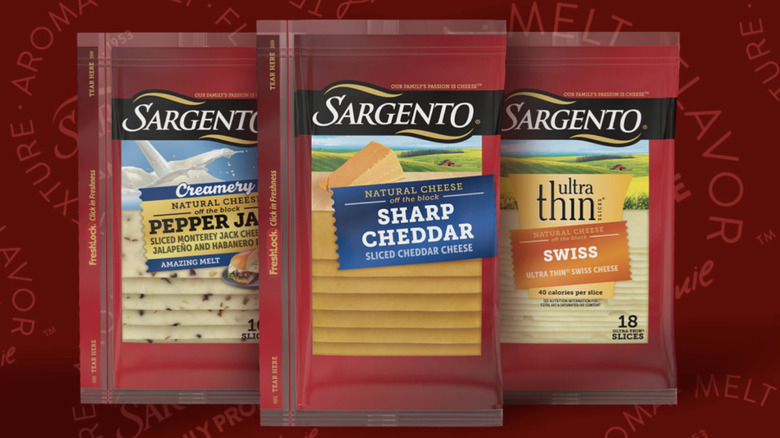
Over 130 cheese products made by Deutsch Käse Haus were part of an extensive recall in 2017. This recall came about after a random test at a manufacturing plant found that Listeria monocytogenes were present in the tested products. This recall spanned several brands, including Sara Lee and Sargento, expanding to store-brand products through H-E-B and other establishments. Customers were encouraged to either dispose of the cheese from affected brands or return it to the place of purchase for a full refund. Certain Deutch Käse Haus brands have had trouble with its products in other areas, so this recall did additional damage to the brand.
This recall continued to expand over the next seven days, including more brands and products under the Deutsch Käse Haus umbrella. Fortunately, no illnesses were reported due to the Listeria contamination, indicating the company identified the issue and promptly corrected it. This is a rare case, as normally Listera contaminations are discovered because of illness, and not discovered before the fact. Public health officials could not release many details about this case, but stressed that bacterial outbreaks are a recurring risk with cheese and other dairy products.
Kraft Heinz (2015)
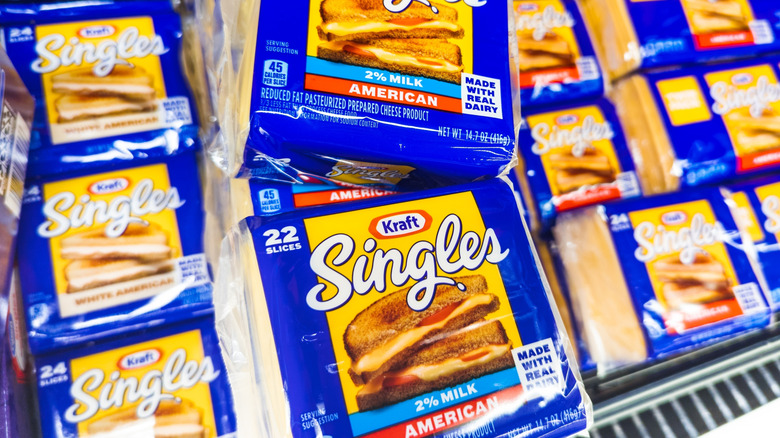
In August of 2015, Kraft recalled over 36,000 cases of Kraft American Singles after discovering a packaging defect that could cause a severe choking hazard. There was a thin piece of plastic that was not easily coming away from the cheese slice, staying stuck to the cheese and thus possibly being swallowed or choked on by consumers. The voluntary recall followed customer complaints covered widely by local and national media outlets due to the dangerous nature of the packaging defect.
This is one of the few recalls that does not involve bacterial contamination. These contaminants are extremely common for perishable foods such as cheese and dairy products, but other types of recalls are still unfortunately common as well. The incident resulted in an investigation and changes to Kraft Heinz's packaging practices. Their quality control was also modified. Unfortunately, it wasn't enough, as Kraft faced another recall in 2023 for the exact same packaging defect.
Karoun Dairies (2015)
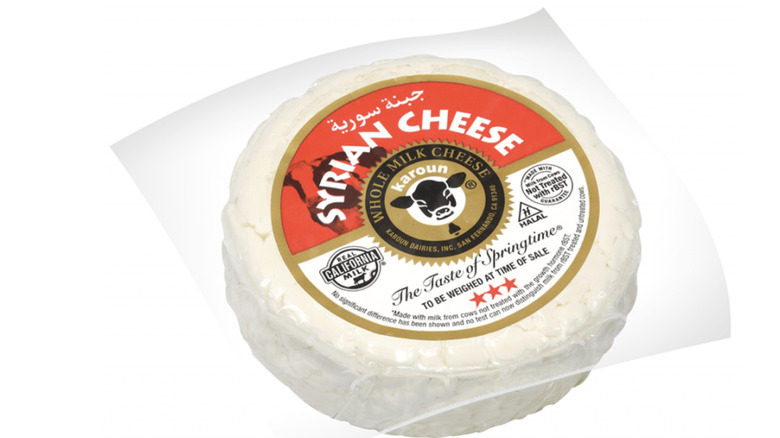
In late 2015, Karoun Dairies was at the center of a major Listeria outbreak linked to multiple cheese products. What started as a voluntary recall by the company after news of potential contamination soon became a multi-state outbreak of Listeria monocytogenes, resulting in over 30 illnesses and three deaths, one of these being fetal loss by a pregnant mother. The affected products spanned ten states.
Karoun Dairies led with caution, voluntarily recalling fifteen products when news of potential contamination was released. However, enough product had already been purchased and consumed that it was too late to avoid illness altogether. The recall spanned from August to late October, with people falling sick for several weeks due to affected products. This bacterium can be persistent and multiply rapidly, especially in conditions where health standards are not met to the best of abilities.
Forever Cheese (September 2012)
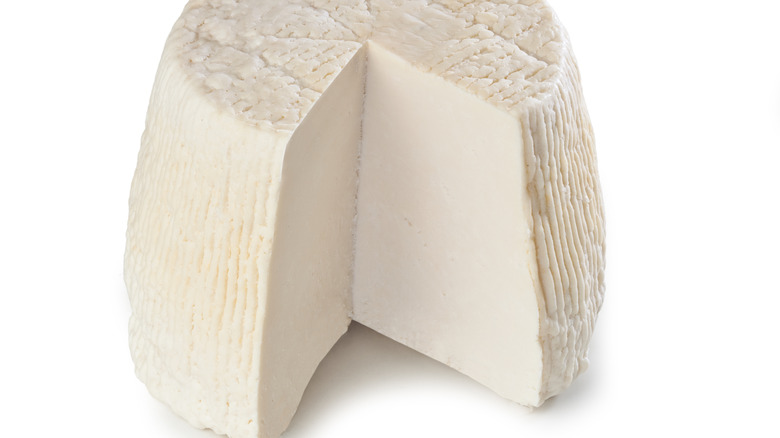
In late 2012, Forever Cheese recalled its Frescolina Marte Ricotta cheese after it was linked to a Listeria outbreak resulting in several hospitalizations and deaths. The cheese was imported from Italy and this specific lot was distributed across 28 states in the U.S., with illness reported in 12. After some illnesses were reported, the CDC began an investigation into the contaminated product. Listeria is one of the most difficult contaminants to contain, affecting products like cheese, meat, and even walnuts.
While the recall only initially affected the Ricotta Salina Marte cheese, this was an expansion of an earlier recall, also for Listeria contamination. Customers were advised to dispose of any cheese product from the brand out of an abundance of caution. Regulatory agencies work hard to make sure these contaminants happen less frequently, but with imported products, it can be more difficult to regulate what may or may not be contaminated with so many steps involved in distribution. In total, 22 illnesses and four deaths were reported.
Peregrina Cheese (2003)
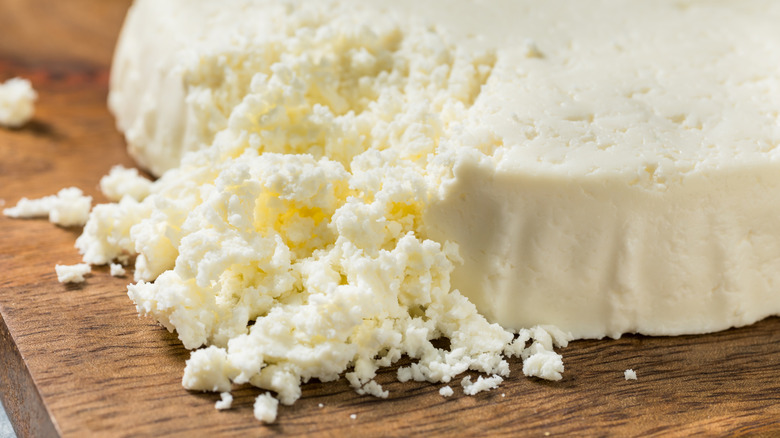
Brooklyn-based cheese manufacturer Peregrina Cheese faced not only recalls but a federal lawsuit following several incidents of Listeria monocytogenes being found in 14 cases of their Queso Fresco cheese. The cheese was pulled from stores shelves and no illnesses were reported. This was unfortunately not a one-time incident; Listeria was found on several occasions across several different products including sour cream. Other health inspections by both the FDA and New York State were failed as well citing unsanitary conditions, including a dead rodent found in the production facilities. According to the Department of Justice, investigators found unsanitary conditions at the plant and evidence that contaminated cheese was in circulation to the public.
The failure of the company to comply with health and safety standards resulted in not only several recalls, including a drastic one in 2003, but also ongoing legal action that tainted the brand name for decades to come. Issues spanned beyond the Listeria contamination; the manufacturer also received warnings about employees not wearing proper hair and beard coverings, among other infractions. This case shows that companies cannot simply ignore health and safety warnings, as there will often be federal repercussions for the company to deal with.
Jalisco Mexican Projects Inc. (1985)
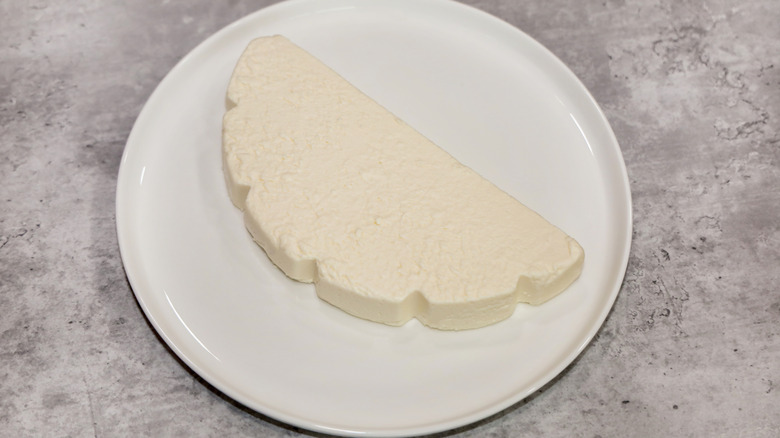
The 1985 Listeria outbreak from Jalisco Mexican Products, Inc., is arguably the most tragic and deadliest cheese recall in United States history. Mexican-style soft cheese that was contaminated with Listeria was distributed across 17 states, causing not only widespread illness but also several miscarriages and loss of infants. Almost 150 people were affected, with around 65% of these being mothers and their children. The outbreak resulted in a rapid onset of illness, and in 10 cases, death or stillbirth in the case of pregnant mothers.
This outbreak was so severe that the company closed its doors forever following the recall. Company heads felt that there would be no moving past the stigma and that the brand would never recover from such a severe recall. This recall launched a full-scale investigation where it was found that some milk used to make affected cheeses was not properly pasteurized.