

Don't Make This Common Ground Beef Seasoning Mistake
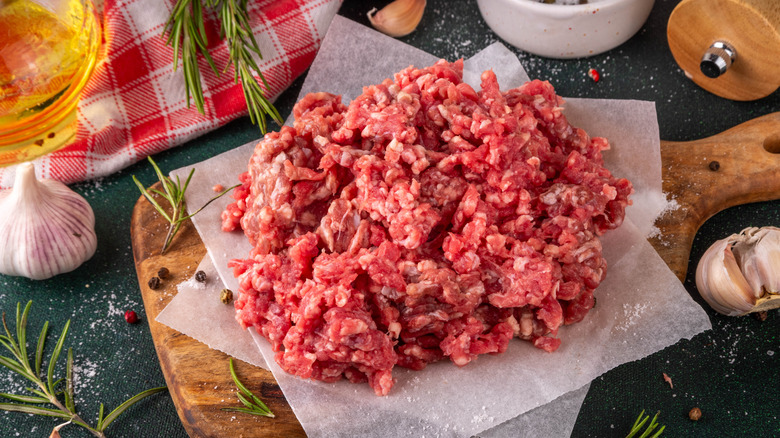
Ground beef is the star of dishes like spaghetti bolognese and classic, meaty chili, as well as countless comfort food staples. While it's a kitchen fave, if it isn't seasoned properly, your entire meal can end up lacking in both the flavor and texture departments. According to David Davidov, recipe developer and founder of The Cooking Foodie, a common mistake he sees home cooks make is waiting too long to season the beef.
"Seasoning at the end means the salt never gets a chance to penetrate the meat," Davidov told us. "Salt is not just about taste, it actually helps [meat] hold onto moisture and enhances its natural flavor." This is especially true for ground beef. While a salt brine works wonders for steak, early seasoning is even more critical here; the loose, fragmented texture of ground meat allows moisture to escape exceptionally , leaving it prone to becoming dry and chewy.
Salting early also aids the reaction by drawing moisture to the meat's surface, which then evaporates to form a golden, caramelized crust. This process often leaves behind , a deeply flavorful base that can elevate any dish. "When you add [salt] too late, the beef is already cooked, the juices are gone, and the seasoning just sits on the surface instead of becoming part of the meat," Davidov added.
When is the best time to season your ground beef?
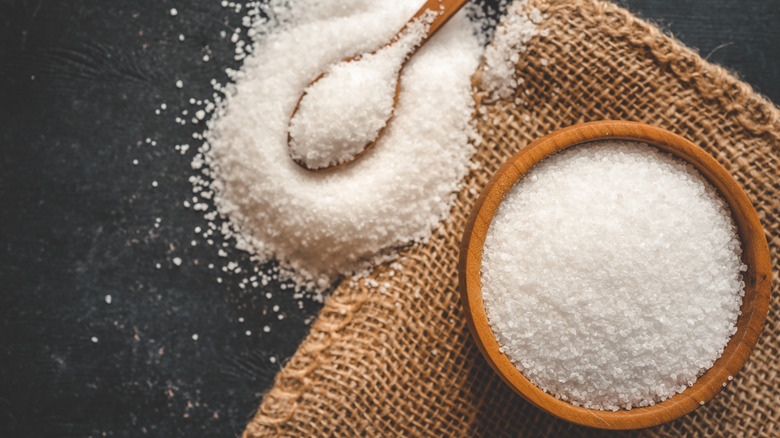
The best time to season ground beef depends on the seasoning you're using. "I prefer seasoning ground beef as soon as it hits the pan, or even lightly before cooking, depending on the recipe," David Davidov told us. For dishes like an Italian-style ragù, the best technique is to put your beef straight into hot oil and not disturb it. This allows one side to develop a good sear. As the beef cooks, season the other side with salt and pepper. The combined char paired with deep seasoning can take your dish to a whole new level of flavor.
As for other common seasonings, such as dried herbs or aromatics, the timing differs. "I personally season in layers," Davidov explained. "For example, salt at the beginning, then add spices, aromatics, or sauces during cooking so everything has time to bloom and integrate." For aromatics like ginger and garlic, the best practice is to brown your beef first, remove it and set it aside, then, in the same pan, cook your onions and add your garlic for under a minute before mixing the beef back in. As for dried herbs and spices, they can burn very if added too early, so wait until the beef is browned and the aromatics are softened before adding them.
This rule doesn't apply to everything, however. Take burgers, for example: Salting the patties too early down the proteins, resulting in a dense, sausage- texture. To keep your patties tender, wait to season them until just they hit the pan.