

10 Easy Ways To Make Frozen Vegetables Taste Gourmet
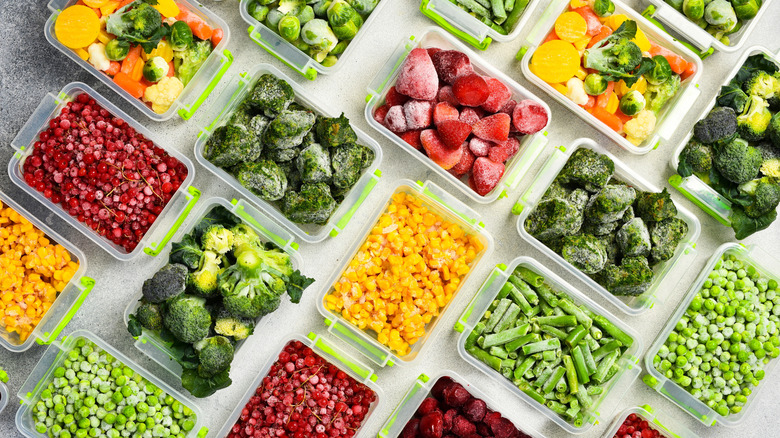
Frozen vegetables are the utmost in convenience. You don't have to worry about spoilage, and they are ready and waiting whenever you need them. However, when compared to fresh produce, they don't always live up to flavor and texture expectations. You know what, though? The difference doesn't have to be so jarring, at least when you cook and season them correctly. In fact, with a few tips and tricks from some experts, you can even make frozen vegetables taste gourmet.
To uncover the best cooking and seasoning tips for frozen vegetables, I checked in with Dennis Littley, chef and culinary expert at Ask Chef Dennis, and Richard LaMarita, Health-Centered Culinary Arts chef-instructor at the Institute of Culinary Education — and they sure had a lot to say on the matter. According to Littley, "frozen doesn't mean flavorless. With the right cooking method, seasonings, and small finishing touches, these vegetables can easily taste like they came from a high-end kitchen.” Sounds promising, right? LaMarita also told me, "Anything you can do with fresh vegetables you can do with frozen vegetables," you just have to account for their added fragility — and that's just the start of all the expert tips they divulged. So, if you're ready to start cooking frozen vegetables like a pro and say goodbye to bland, mushy ones for good, the upcoming tips have your back.
Avoid overcooking frozen veggies to maintain flavor and texture
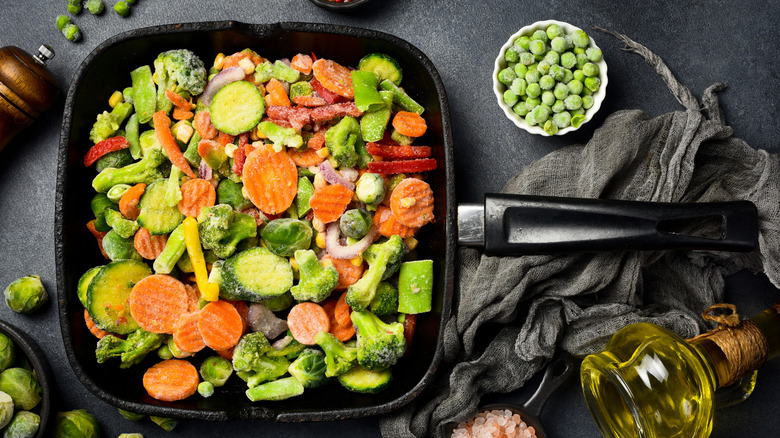
One of the easiest ways home cooks mess up frozen vegetables is by cooking them for too long. Unfortunately, it happens quite easily, too. After all, they are already cooked, so really all they need is a quick reheat. There's no need to thaw them first, either. Regardless, according to chef Dennis Littley, overcooking frozen vegetables is the first thing you want to avoid.
To make the most of frozen veggies and their true potential, Littley said, "The first step is to avoid overcooking. Many home cooks steam or boil frozen veggies too long, which leaves them mushy and bland." No thanks. To avoid this, he cooks them until they become tender, and not a moment longer. At this point, he noted that they should still be vibrantly colored. Then, he finishes them with flavoring, but we will get to that in good time. For now, just know that overcooking frozen veggies is a recipe for disaster, and it's certainly not the way to make them taste gourmet, far from it, actually. Keep a close eye on your frozen vegetables while they cook so you can remove them from the heat at the ideal time, i.e., when the flavor and texture are at their very best.
Roast or sauté frozen vegetables at high temperatures for deeper flavor and caramelized edges
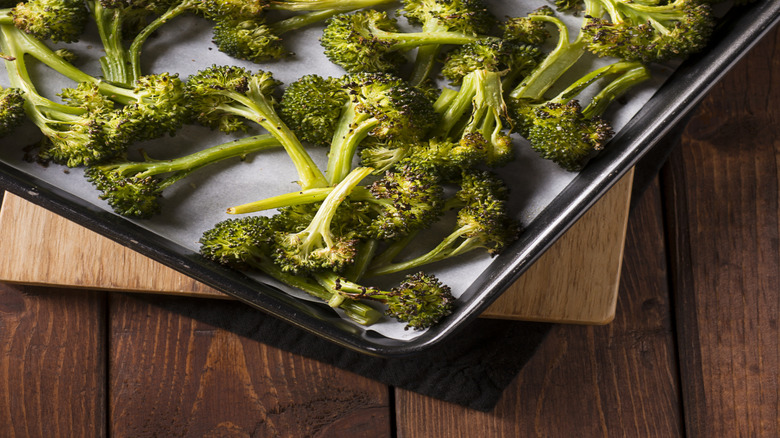
Many home cooks often overlook sautéing and roasting when it comes to frozen vegetables. Maybe it's because they don't think such high temperatures are required (already cooked and all), and they are not wrong. However, according to the experts, chef Dennis Littley and chef-instructor Richard LaMarita, sautéing or roasting frozen veggies at extra high temperatures is the way to go. Not only does it improve flavor, but it nails down a delectable texture, as well.
As Littley told me, "High-heat roasting or sautéing transforms frozen vegetables, giving them caramelized edges and a deeper taste." He also noted, "Tossing them in a little olive oil, butter, or a combination before roasting makes a big difference," so just like with fresh produce, don't skip that essential step.
LaMarita recommended roasting frozen veggies at high temperature, 400 F to 450 F, to be exact. He also suggested preheating the pan, so they start cooking straight away. Whether you take that extra step or not, "Spread them out so they are not touching as they will need to essentially steam first before beginning to roast," says LaMarita. Why? Well, before the frozen veggies begin to brown and eventually caramelize, all the frozen water needs to be released and evaporate. This will take some additional time compared to fresh produce, but be patient. Chef LaMarita assured they will still roast properly.
Layer frozen veggies with spices and herbs
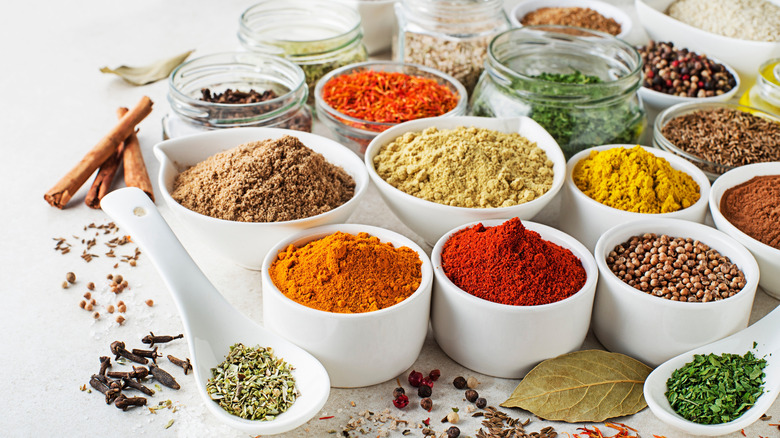
In addition to cooking frozen vegetables properly, seasoning is key when it comes to making them taste more like a gourmet ingredient. Just like their fresh counterparts, frozen veggies are a blank canvas for a world of different herbs and spices, so the sky is the limit here. However, chef Dennis Littley told me, "Smoked paprika, garlic powder, black pepper, thyme, or rosemary, all complement frozen veggies beautifully."
Chef Littley also recommended layering your seasonings of choice into your frozen vegetable dishes to achieve the best, most flavorful results. As is the case with other foods, this means tasting as you go and adding more as needed. Opposed to simply tossing all of your seasonings in at once, this allows the flavors to build nicely. It also ensures you get, well, layers of flavor throughout. Seems straightforward enough, right? It is. Just remember to go slow, and commit to several taste tests while cooking (which, you'll remember, happens quickly due to the pre-cooked nature of frozen veggies), and you should be good to go.
Mix frozen vegetables into soups or grain bowls so they absorb lots of additional flavor
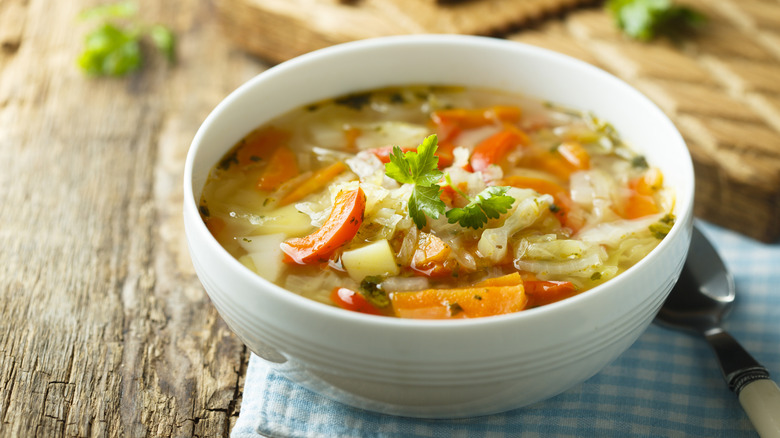
A surefire way to infuse frozen vegetables with tons of yummy flavor is to mix them into soups or grain bowls. As chef Dennis Littley told me, "Mixing frozen vegetables into stews, soups, or grain bowls lets them absorb flavors from other ingredients and makes them feel intentional, not just a side." Now we're talking, huh?
Chef-instructor Richard LaMarita agreed with chef Littley that soups and bowls are outstanding ways to use frozen veggies. When you make them part of a soup, he said, "Don't thaw them first or else they will remain water-logged. Add them towards the end so they do not overcook." He also noted that you can use them for clear broth soups or puree them into the mix. As for grain bowls, he likes to make fried rice with frozen vegetables. However, unlike soup, you want to, "Add at the beginning of the dish so they get a chance to cook since fried rice is a quick cook." Basically, they should go in the pan at the same time as the rice. Then, "Toss with a soy sauce-based sauce at the end. Add some crunchy nuts and a cooked scrambled egg for extra fun." As you can see, when simplicity is the goal, frozen vegetable grain bowls are here for the win. I mean, what could be easier than fried rice with frozen veg? Not much.
Combine sweet and savory ingredients for mouth-watering flavor
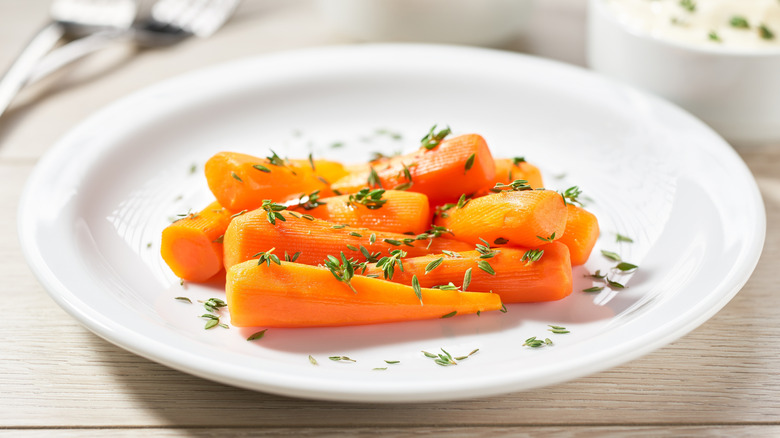
We already touched on some basic herbs and spices, and how well they improve frozen veggies, but that's not where the seasoning fun stops. For example, one of chef Dennis Littley's favorite ways to season veggies (frozen or not) is to combine sweet and savory elements, "For example, roasting carrots with a touch of honey or maple syrup alongside herbs adds layers of extra flavor." We already know how much of a fan chef Littley is of layering flavors, and a sweet and savory combo takes it to the max.
Another sweet and savory flavor pairing that's all the rage these days is hot honey. Drizzle some over your frozen veggies, and you'll be in for a treat. The same goes for other spicy ingredients paired with something sweet, like maple syrup or honey (as chef Littley mentioned). If spicy isn't for you, though, savory herbs and spices will more than do the trick. When roasted, with something sweet, your frozen veggies will also get a nice caramelization that's hard not to love.
Enhance the flavor of frozen veggies with a burst of umami
Umami is an essential flavor in cooking. In fact, it is credited with being the flavor of deliciousness, but whether you're a die-hard fan of the fifth flavor profile or not, it's exactly what your frozen veggies need to reach gourmet level heights. As chef Dennis Littley told me, "Adding umami elements is another game-changer." Consider my attention grabbed.
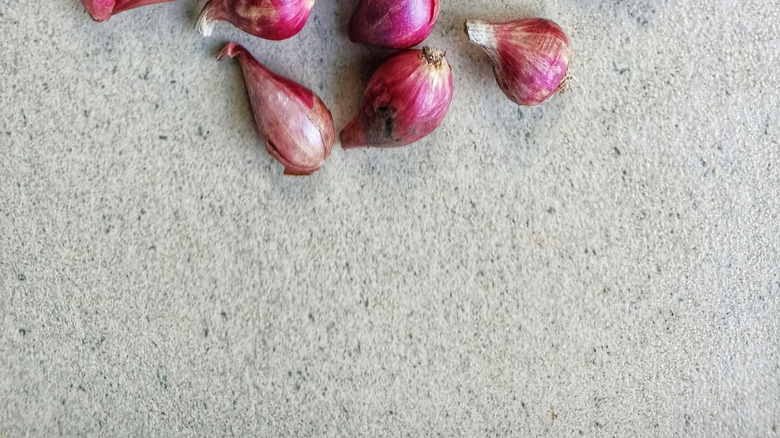
So, what kind of umami ingredients complement frozen vegetable dishes? Well, according to chef Littley, "A sprinkle of Parmesan, a dash of soy sauce, or a little miso paste can completely elevate the dish." He also reaches for garlic and shallots when sautéing frozen veggies. Honestly, though, garlic is a shoo-in regardless of cooking method. Or is that just me? Regardless, don't overlook umami flavors with frozen veggies. As the flavor of deliciousness, it oozes gourmet taste and flair. Besides, with all of the outstanding umami ingredients, you have plenty of options, many of which you likely already have stocked in your pantry or fridge. So, no excuses. Get your frozen vegetable umami on.
Get creative with your frozen vegetable recipes

Another outstanding way to make your frozen veggies taste more like a gourmet ingredient is to get creative with the way you use them. As it turns out, they are capable of a whole lot more than a simple side dish or a hearty addition to soups and grain bowls — they are veggies, after all. If you're at a loss for fun ideas, though, chef-instructor Richard LaMarita has you covered.
The first recipes chef-instructor LaMarita recommended were veggie frittatas or quiches. As you might suspect, "The eggs are a perfect binder for the veggies," says chef LaMarita. They are also great for any meal of the day. He suggested you "add a hint of heavy cream or goat cheese into the eggs for added richness," and, of course, some herbs and spices, as well.
Chef-intructor LaMarita also pointed out that you can skip the ice cubes and blend frozen veggies into smoothies. Or, mix them into fritters, aka deep-fried patties. However, unlike other applications, you will want to thaw and dry your frozen veggies first. Lastly, chef LaMarita recommended tossing frozen veggies into tomato sauce. They easily upgrade store-bought pasta sauce, homemade for that matter, too. "The veggies will add bulk and nutrients to your sauce, and any kind will work," says chef LaMarita." As per usual, he stressed that you don't want to thaw them first, either, "That is the mantra for frozen veggies."
Explore different cooking methods to make the most of frozen veggies

We already know that roasting or sautéing frozen vegetables leads to improved flavor and texture overall. That doesn't mean you can't prepare them in other ways, though. In fact, chef-instructor Richard LaMarita says experimenting with other cooking methods is one of the best ways to make the most of frozen veggies. According to him, air frying, dehydrating, steaming, braising, and stir-frying are all fantastic options for cooking, or should we say reheating, frozen veggies. He told me air frying is great because the circulating air will dry them out quickly." Along the same lines, he told me dehydrating is perfect for making beet or squash chips.
Similar to sautéing frozen veggies, but slightly different, chef-instructor LaMarita also recommended you, "Stir-fry them in a hot wok with some aromatics like ginger, garlic, and chilis." Additionally, he noted you should opt for a high smoke-point oil so your veggies crisp up nicely. Lastly, chef-instructor LaMarita sang the praises of braising frozen vegetables: "Braise them in a flavorful stock, stew, or casserole with a bay leaf and some fresh herbs like rosemary or sage." Interestingly, this is one cooking method that not only benefits the veggies themselves, but the recipe you put them in as well. According to chef LaMarita, "Their saturated cell walls can add moisture to a dish, particularly if there is starch incorporated." Cool, huh?
Brighten the flavor of frozen veggies with a dash of lemon juice or vinegar at the end
By this point, you may have thought we were done with herbs, spices, and other seasonings that upgrade frozen veggies, but chef Dennis Littley had one more to point out: acid. The general consensus is that a balance of fat, salt, acid, and heat leads to the tastiest dishes, and this includes anything you make with frozen veggies. So obviously, we will need a little bit of acid to make your frozen veggies the best they can be.
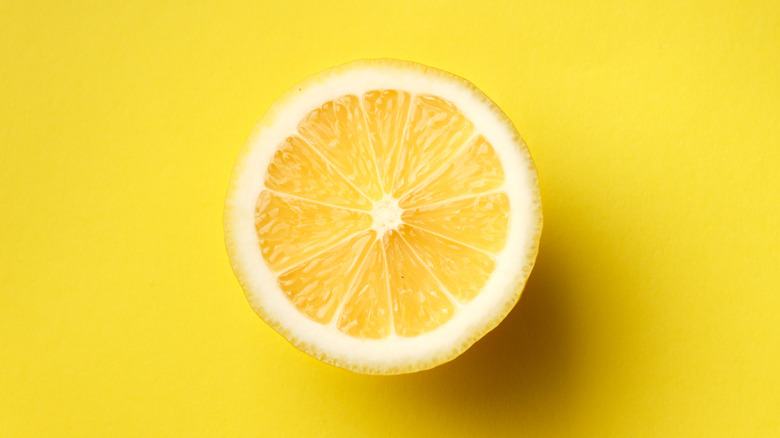
While you can incorporate acidic elements into your frozen veggies in many ways, chef Littley told me, "A splash of lemon juice or vinegar at the end brightens the flavors and balances the natural sweetness." With any luck, you probably have both on hand already. When it comes to vinegar, though, white or balsamic vinegar seem like they would be the most fitting. However, what's important is the brightening effect, so use what you have, and your recipes will benefit regardless.
Add texture and depth with finishing touches
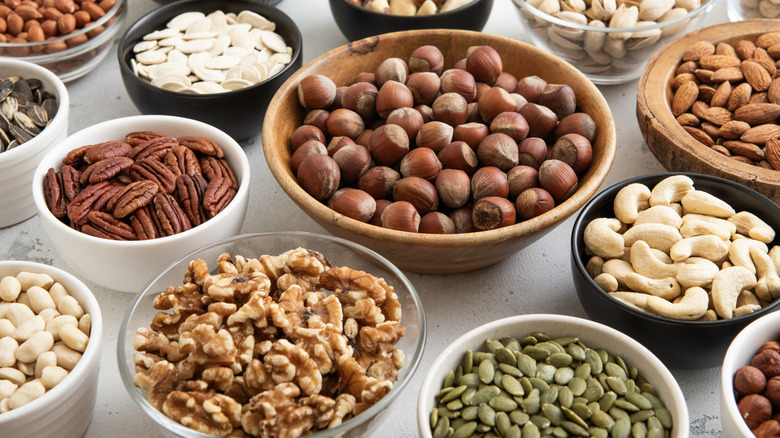
Last, but certainly not least, on our list of ways to make frozen vegetables taste gourmet is leaning into finishing touches, no matter the dish. As chef Dennis Littley told me, "Finishing touches like toasted nuts, seeds, or a drizzle of flavored oil give texture and depth."
A little crunch certainly never hurts, especially when we are talking about softer ingredients like cooked veggies, so sprinkle some nuts or seeds over the top of your frozen veggie dishes and enjoy. Enough said. As for flavored oils, um, yes, please. Chili oil pops into my head first, but spicy is kind of my default. There's no end to the possibilities, though. Garlic oil, sesame oil, or anything else you have around will improve the flavor of frozen veggies, no doubt about it.
With all the helpful tips and tricks our experts provided, even some of the lesser-used or, as some might say, underrated frozen veggies are starting to look mighty tasty — if I do say so myself. So, next time you're perusing the frozen vegetable section of your local grocery store, feel free to stock up. After all, once you give some of our experts' recommendations on improving frozen vegetables a try, you'll quickly see how gourmet flavors are far from off the table. Pun intended.