

Beyond The Bagel: 10 Ways To Use Leftover Cream Cheese Before It Goes Bad

There are few food pairings more famous than bagels and cream cheese. When the two are combined, it doesn't seem crazy to think that the soft, spreadable cheese was engineered specifically for the purpose of being schmeared on a bagel. It turns out, though, that its discovery was a happy accident – in the early 1870s, while attempting to create a version of the French cheese Neufchâtel, William Lawrence of Chester, New York, stumbled upon what would come to be known as cream cheese. He'd added more cream to the traditional Neuchâtel recipe in the hopes of making an even richer product. Not only did he succeed, but Lawrence had made a cheese that had more fat, moisture, and acidity than other soft cheeses, making the ultra-creamy and spreadable cheese truly unique. Bagels — which date back at least 200 more years – would never be the same.
But cream cheese is quite versatile and can be so much more than a bagel spread, which comes in extra handy when you've got an extra tub of the stuff on hand (despite your best bagel-eating efforts, of course). It's also inherently fragile — its high moisture and fat content can cause opened cream cheese to lose flavor after about a week in the fridge and eventually spoil. Luckily, there are plenty of creative ways to use cream cheese — so many, in fact, that you'll never have to worry about it going bad or using up your leftovers.
Create creamy breakfasts

Cream cheese is often found in scrambled eggs as a way to add creamy unctuousness to the protein-rich breakfast staple. But the cheese goes far beyond that. Breakfast casseroles, sausage bites, and even baked eggs get a texture and taste boost from this fresh cheese. Omelets, another staple of the breakfast table, benefit from cream cheese in the batter and as a filling. You can even have a makeshift Danish using leftover cream cheese, crescent rolls, sugar, and milk. Followers of the Keto diet can use cream cheese and eggs to make a simple crepe batter, while others can combine the cheese, avocado, scrambled eggs, and ham into a delicious early morning burrito.
Breakfast casseroles, also called egg bakes or stratas, can be savory or sweet. Adding a little cream cheese will make the custardy dish even more delectable. For a sweet version, try combining cinnamon, milk, eggs, brown sugar, and day-old bread for a French Toast/bread pudding-style dish. For a more savory style strata, use cream cheese, milk, eggs, bacon, cheddar, jalapenos, and bread for a spicy wake-up call. If you're a sausage fan, combine uncooked ground sausage, cream cheese, spices, and a bit of milk before baking and serving it with toast. Perhaps best of all, these dishes can be cooked while you get ready for the day.
Make flavorful dips
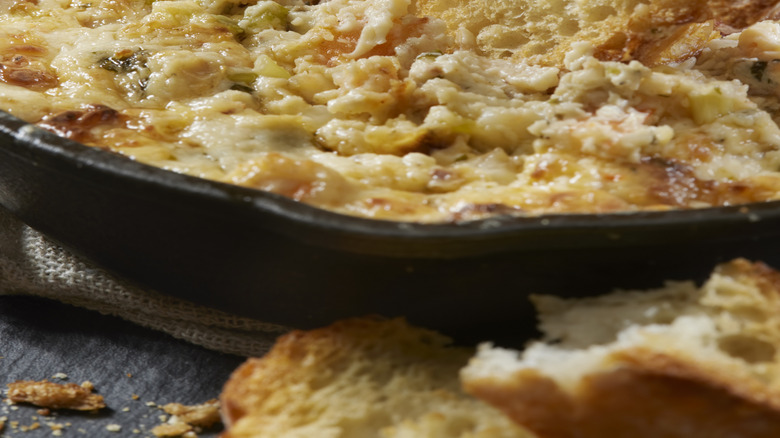
Cream cheese is the ultimate base for a dip. It's soft, combines easily, takes on flavor well, and is wonderfully spreadable. It can be baked and served hot or mixed up and served cold. Either way, things like crab rangoon dip are perfect for parties, game day, or weeknight snacking. The easiest way to use cream cheese in a dip is to soften the cheese before combining it with sour cream or mayonnaise and whipping it into an even more spreadable consistency. The cheese's soft texture and natural acidity make it easy to put on crackers or chips while keeping the taste sharp, instead of bland.
Another advantage of cream cheese dips is their sheer versatility. Buffalo chicken dip is a party favorite with its combination of hot sauce, creamy cheese, grilled or fried chicken, and spices. Crab rangoon dip is also deliciously smooth and savory. When served with air-fried wontons and sweet chili sauce, it becomes a stunningly simple version of the Chinese-American appetizer. But the dips don't have to just be savory. Sweetened cream cheese can also be used as a dip for various fruits or graham crackers as an after-dinner treat (we'll talk more about that in a bit).
Stir in cream cheese for luscious sauces

Cream cheese is a wonderful addition to sauces like béchamel and mornay because it melts easily, adds flavor, and acts as a substitute for cream in a pinch. Macaroni and cheese, for instance, is even more melty with cream cheese. Simple sauces for chicken and pork become rich and tangy when a few tablespoons of it are added. Even better, the cheese can help create a sauce faster than more traditional methods.
For example, instead of making alfredo sauce the traditional way, incorporate cream cheese in place of the cream. Simply melt cream cheese over gentle heat with a half-cup of butter, stirring or whisking to make a smooth emulsion, before adding Parmesan cheese and a bit of milk to thin the sauce. You have a quick, easy, and delicious alfredo in minutes, from scratch, without much hassle.
To make a rich pan sauce from chicken or other meat drippings, just whisk cream cheese with some broth over low heat, while scrapping up the brown bits. In just a moment, you'll have a glossy sauce to enhance the dish. The one caveat to a cream cheese sauce like this is that it should be served immediately to prevent the emulsion from separating and becoming oily.
Work it into corn dishes

Cream cheese and corn are a dream team, thanks to corn's natural sweetness and the cheese's natural tanginess. For instance, cream cheese is a major element in creamed corn, a staple of summertime in the South. It can also be substituted for cotija cheese in esquites, a Mexican street food made with corn kernels, mayo, spices, and soft, fresh cheese. Softened or slightly melted cream cheese can be used on grilled corn on the cob for a delicious burst of flavor.
But one of the most delectable ways to incorporate cream cheese and corn is in corn casserole, sometimes called corn pudding or corn soufflé. Whatever name you're used to, this dish is a quick way to use up leftover cream cheese and corn. All you need is a box of cornbread mix, one egg, one melted stick of butter, one-third cup of milk, eight ounces of sour cream, a can of creamed corn, corn kernels, and whatever spices you like. Mix the ingredients together in one dish with four ounces of cream cheese (or less) and bake in a 400-degree Fahrenheit oven for around one half hour. It's light, fluffy, savory, and creamy, making it a perfect main or side dish throughout the year.
Spruce up vegetables with creamy goodness

Corn isn't the only popular vegetable that can be spruced up with a bit of fresh cheese. Mashed potatoes can benefit from a few tablespoons, too — just mix chives, pepper, and whatever spices you like into the cheese before mixing it into the mash. That same mixture can be used on baked potatoes as well, replacing the typical sour cream with an even more decadent dollop. And just to make sure we're covering all the spuds, you can take it even further by warming the cream cheese mixture and drizzling it over oven-roasted potatoes or fries.
Stuffed mushrooms, meanwhile, can be elevated from a simple appetizer into a hearty meal with the use of portobello caps and an herbed or spiced cream cheese. Add a fried or scrambled egg to the party and a salad, and you have one of the tastiest and easiest weeknight dinners to be found. If you want to keep the mushrooms small, try adding sausage, pancetta, or prosciutto to the cream cheese before filling the mushrooms and baking.
Produce soft, savory breads

Korean cream cheese garlic bread went viral on social media a few years ago, and with good reason. The recipe combined soft milk rolls with garlic butter and sweetened cream cheese before baking them all together into an umami bomb. But garlic bread is a latecomer to the cream cheese scene. Southern cooks have been using the blocks of cheese to make some of the softest biscuits out there for generations.
While buttermilk biscuits are the standard, cream cheese biscuits add even more of a tongue-buzzing zing while keeping the bread incredibly fluffy and light. Incorporating cream cheese into the bread dough adds moisture and fat, just like the buttermilk does. This double whammy, combined with a bit of butter as well, gives the biscuits the soft, luscious texture they're so well known for. Even better, these biscuits can be modified for your favorite herbs and other cheeses. Try incorporating chives and cheddar into the mix for a savory boost, or use red pepper flakes, smoked gouda, and cooked bacon for an all-in-one breakfast bite.
Add a creamy element to savory meats

It's common to use cheeses on sandwiches and pizzas, so why not incorporate more cheese into dishes generally seen as more meat-based? Chili, empanadas, and other hearty dishes can use creamy cheeses to meld the flavors of the meat, vegetables, and spices into a memorable meal. As a matter of fact, cream cheese softens the heat of spicy ingredients, helping to create contrasting flavors and textures in savory dishes like stuffed jalapenos or creamy Cajun sausage pasta.
Using cream cheese as a filling in meatballs or hamburger patties is an unexpectedly tasty way to add moisture to the meat, particularly if it's a leaner version, such as turkey. Simply cube the cream cheese and wrap the meat mixture around it before searing and/or baking it. To take amp up the flavor even more, mix herbs, spices, or ground nuts into the cheese before chilling and cubing it for use in meats or stews. One of the most wonderful things about cream cheese is its ability to take on flavors and enhance them with the cheese's trademark tangy acidity. Using it in meat-based dishes is an incredible way to let that aspect of it shine without much extra work on your end.
Make frosting more spreadable
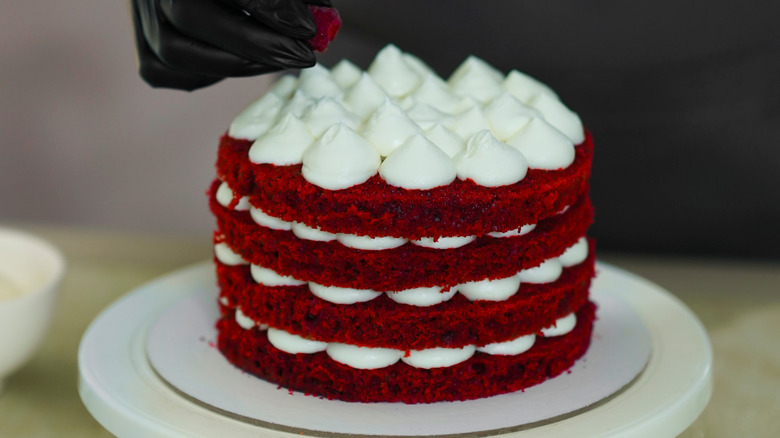
If you've ever had a slice of red velvet cake, you've experienced the smooth, thick, tongue-coating goodness of cream cheese icing. But what is it about cream cheese that makes it so spreadable anyway? The quick answer is moisture and fat. Cream cheese is at least 33% fat and around 55% moisture. Whipping the cheese incorporates air into the mixture, giving the fat and moisture suspension even more room to move easily over the top of cakes. That suspension also keeps the icing soft, even when it sets, unlike buttercream, which sets hard and can take on a grainy quality when chilled.
Of course, to make this magic happen, the cream cheese has to be room temperature. Working with cold cream cheese will make the mixture break down instead of turning into something spreadable. Leaving cream cheese on the counter to warm up is a bad idea, primarily because of its high fat and moisture content. The United States Department of Agriculture advises that cream cheese left out over two hours (or less in a warm kitchen) is at risk for bacterial contamination, turning it from something delicious into something dangerous. To avoid potential food poisoning, you can easily warm cream cheese under a hot bowl. Just heat the glass bowl in the microwave for around one minute before inverting it over the cheese. Be sure to check the cheese's softness after 5 minutes, because melting it will affect the icing's texture by not allowing air to incorporate during mixing.
Take desserts to another level
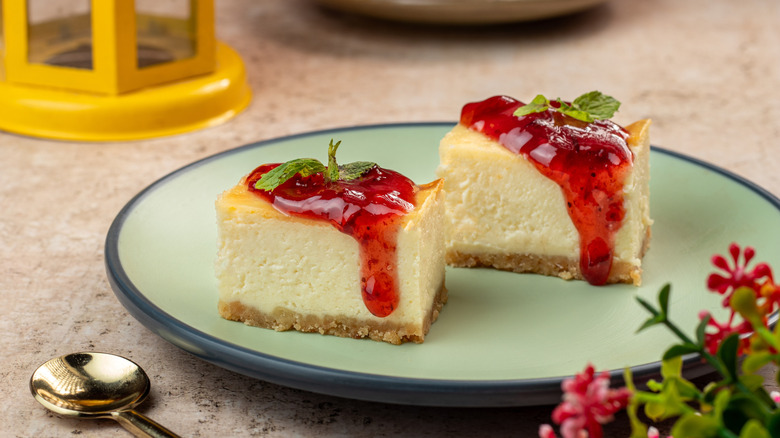
Cheesecake — sweet or savory — isn't the only way cream cheese has found its way into desserts, although it is easily the most famous. Treats like crepes and cookies also use cream cheese to provide texture and tanginess, with some even using the cheese to eliminate butter completely. As for cheesecake itself, cream cheese figures prominently in both baked and no-bake versions that firm up in the fridge.
Before cream cheese was invented in the 1870s, ricotta, mascarpone, and other soft cheeses were used in a variety of cakes beginning in ancient Greece, somewhere around 770 B.C. However, a closer version to today's cakes was created by Cato around 200 B.C. Thanks to a book by Marcus Porcius, Cato's version spread throughout Greece, Rome, and Europe, until it eventually landed in the United States and was recreated with cream cheese. In fact, in the early 1900s, cheesecake recipes spurred the sale of cream cheese, helping to make it part of many American kitchens by the 1950s and '60s. In the decades since, this soft, fresh cheese has been mixed with or substituted for ricotta and mascarpone in sweetened fillings for cannolis to add a bit of acidity. Whipping sweetened cream cheese to a pipeable softness also creates an easy filling or topping for desserts such as banana bread, or an unexpected way to replace whipped cream on key lime pie.
Create surprisingly tasty mints

Cheese and minty flavors might seem like an unnatural combination. However, when soft cheeses (like cream cheese) are used as a base for the cooling flavors of peppermint or spearmint, a uniquely tangy, sweet treat emerges. In fact, cream cheese mints are found at gatherings throughout the Deep South, from christenings to weddings to funerals. These smooth, melt-in-your-mouth bites are easy to make and highly moreish.
Much like the better-known butter mints, cream cheese mints are perfect for taking on a variety of flavors, while keeping a tongue-coating richness. A simple mixture of softened cream cheese, powdered sugar, a bit of butter, and your choice of flavoring transforms into a slightly tangy masterpiece with no bake time. The hardest part of making these mints is waiting 4-8 hours for them to dry. Don't stop with just mint, either. The dough can use lemon or orange extracts for a more refreshing version, or you can add bits of candy to the top of the mint before they finish drying to add more flavor and texture.