

Don't Make This Simple Mistake When Ordering At A Chinese Restaurant
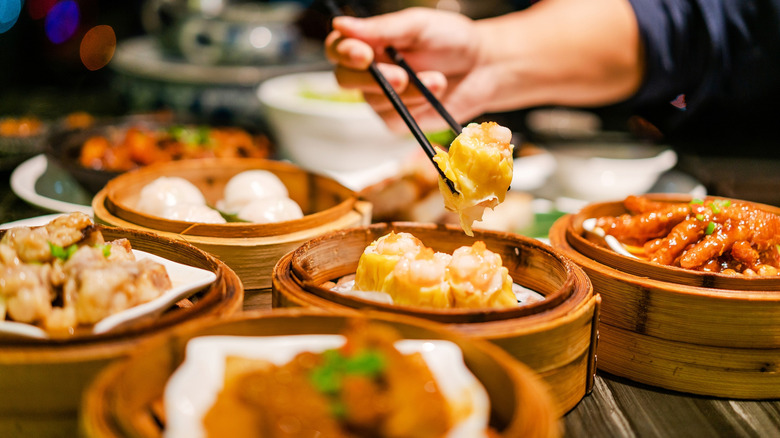
Chinese restaurants occupy an old and beloved part of the American culinary landscape. The style of dining was already embedded in the U.S. by the 1850s, when immigrants arrived in California following the Gold Rush. Originally, such eateries whipped up dishes of Cantonese origin, increasingly tweaked to suit American ingredients and palates. So flash forward well over a century, and the modern Chinese-American repertoire — think chow mein or chop suey, crab rangoons, orange chicken — has evolved into a distinct branch of the cuisine. While certainly delicious, don't make the mistake of always ordering such dishes at a Chinese restaurant.
Instead, explore the world of traditional Chinese cuisine, which covers an enormous breadth of styles. Venture to eateries that sell niche specialties: say Beijing-style Peking duck, Sichuan-style hot pot, or the wide selection of foods offered at a dim sum eatery. Verse yourself in the minutiae of the country's regional cooking, noting the offerings of Cantonese as opposed to Sichuanese restaurants. And even if the eatery does offer a selection of Chinese-American favorites, stray off and order something unfamiliar.
Every once in a while, an American-Chinese restaurant may offer an alternate selection of dishes dubbed the secret menu. Designed to cater to local crowds and regulars, you'll find tantalizing new options, often only written in Chinese. Rather than breaded chicken dishes, think flavorful braises, and instead of beef options (a protein not common in China), mouth-watering pork creations. Expect exciting new textures, flavors, and dish presentations — Chinese cuisine delivers wondrous culinary experiences.
Dive into the regional varieties of Chinese cuisine
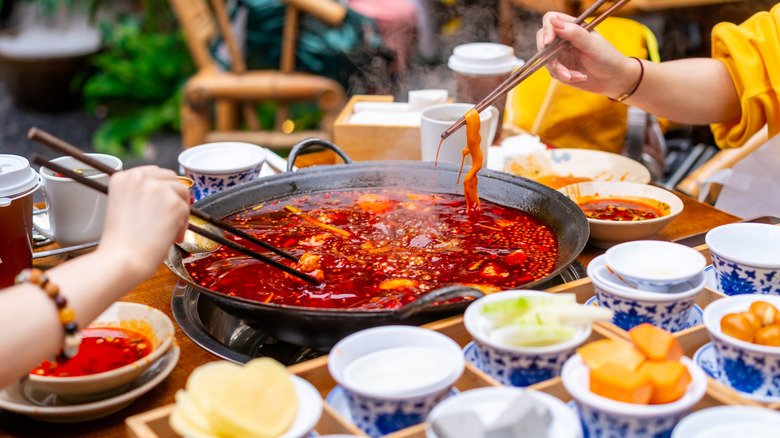
Much like Mexican-Chinese cuisine or Chifa (Chinese-Peruvian food), American Chinese dining is an Asian-influenced culinary tradition that developed in the Americas. The culinary style warrants its own recognition; just don't make it your exclusive experience. After all, Anthony Bourdain thought Chinese cuisine was underappreciated in the U.S., meaning there's more mouth-watering magic to uncover. Not sure where to jump in? Understandable — Chinese foods encompass a dizzying array of options. Classically, the nation's food is delineated into eight major cuisines, although some believe over five dozen categories is more accurate. The scope of Chinese restaurants in the U.S. is ever-increasing, but unfortunately not all styles are widely represented.
Historically, Cantonese restaurants comprise the most common category, and serve dishes you likely long spotted on menus, like wonton noodles, char siu, or clay pot chicken. Especially in urban areas like Los Angeles and New York City, you'll find decades-old Cantonese eateries dedicated to specialties like Cantonese barbecue, congee, or dim sum, too. More recently, Sichuanese food has also become more prevalent, especially on the East Coast. New restaurant concepts showcase both established classics like dan dan noodles and mapo tofu, as well as less common offal and spiced hot pot dishes. Furthermore, look out for a growing presence of Chinese-owned food and drink options in the United States. Mixue Bingcheng, the world's largest chain restaurant, is opening a location in the U.S., along with other enterprises. So sure, there's still a time and place for reliable Chinese takeout, but it's an exciting era to sample something new, too.