

9 Vintage Christmas Dishes You Hardly See Anymore
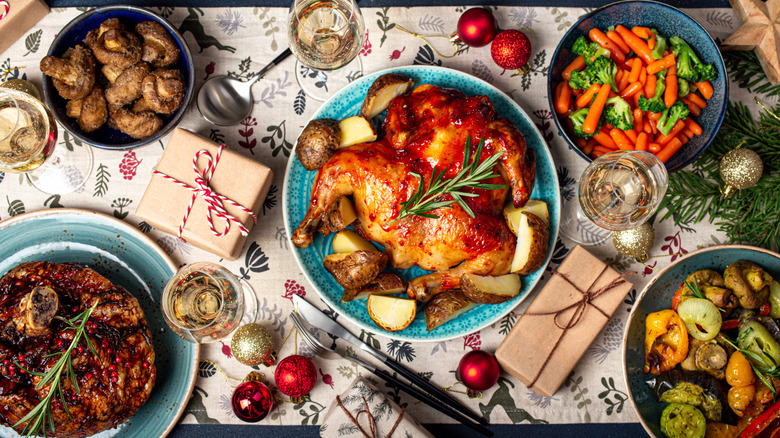
Christmas dishes are undeniably magical, bringing with them years' worth of holiday nostalgia. We look forward to making and sharing dishes that our grandparents or even great-grandparents passed down to us that have become staples on our holiday table. However, many of the Christmas dishes that were once enjoyed by almost everyone, state- or even country-wide, have quietly disappeared into the background, never to be enjoyed again. Recipes like Jell-O salad, chestnut stuffing, and oyster stew have vanished from the American holiday table for one reason or another, leaving former enjoyers only with nostalgia and the memory of the dish.
Here, we'll explore some of those vintage holiday recipes that have gone by the wayside, either due to ingredient shortages or simply due to tastes changing. Whether these are dishes from your own childhood or you're hearing about them for the first time, there are some dishes that may deserve a second chance, along with some that are better left in Christmases past.
Jell-O ribbon salad
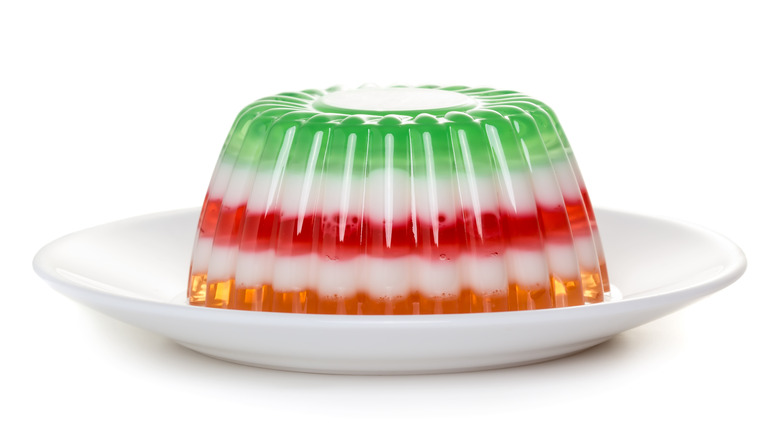
In the early 20th century, Jell-O wasn't just an occasional treat; it was a sensation. Jell-O was used in sweet and savory meals alike, and the rise of the Jell-O salad began. Jell-O ribbon salad was one such example, layered in festive red, green, and white to look like Christmas in a dish. This concoction appeared in cooking magazines and recipe books for decades, especially through the '50s and '60s. This dish was deemed incredibly modern, with home chefs spending the better part of a day making each layer and taking the time to let them set.
During the 1980s, however, Jell-O-centric meals began to fade away. Diet fads began to take over, and people began to avoid sugar. Gelatin desserts and salads began to fade out of fashion and slowly disappeared from the holiday table. Jell-O is now used for more contemporary desserts, leaning into the sweet taste and artificial colors. While traditionalists might still make this retro dish, it's definitely not as commonplace as it once was.
Roast goose

Before glazed ham and baked turkey were holiday staples, roast goose was the beloved centerpiece of the table. The goose became a holiday bird originally because its natural life cycle coincided with the autumn and winter holidays. Geese would spend the summer and early autumn months eating, making them perfectly fattened for Christmas. This meal was a staple for European tables, and Europeans then brought the dish to early America.
As the century wore on, however, roast goose became less and less common. People found it intimidating to cook, not knowing how to manage the high fat content of the bird, and often over- or under-roasting it. More and more people began growing up with turkey or ham as their holiday dishes, and they never strayed from tradition. Chefs encourage people to try something different and take on the culinary challenge of the roast goose, however, citing its unique flavor as something they should be willing to try.
Holiday ham balls
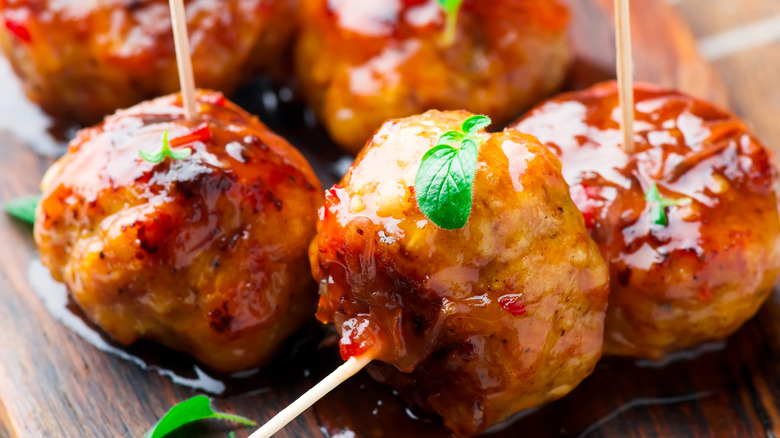
Holiday ham balls were once a frequent flyer on holiday tables, specifically in Midwestern states such as Iowa, where they were born. To make ham balls, you simply combine ground ham with spices, and then coat them in a sweet glaze. The balls were then baked until the meat was cooked and the glaze had caramelized, giving them a deep, rich color. It would be common to find this side dish at Christmas church potlucks or at any number of holiday parties. This was known as a traditional recipe that was handed down from generation to generation.
Despite a rich regional history, this dish has been increasingly rare in recent decades. Ground ham is not very popular anymore, with options like ground turkey and beef taking the spotlight. Folks are sometimes more health-conscious around the indulgent holidays as well, so sugary glazes aren't always compatible with diet trends. While you most likely won't see them on potluck menus today, alternatives like Swedish meatballs have become much more popular.
Cranberry fluff salad
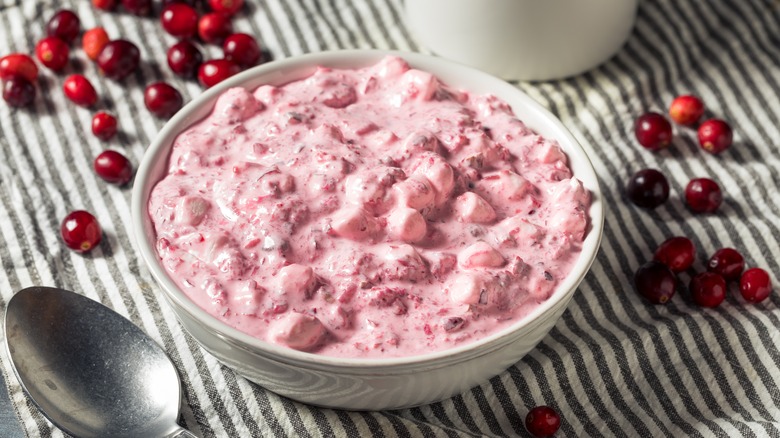
This "salad" is another treat that originated in the Midwest. Fluff salads come in all different varieties, usually featuring whipped topping, marshmallows, and some kind of fruit. This fluff salad, made especially for the holidays, is made with Cool Whip, fresh cranberries, marshmallows, and occasionally nuts or pineapple. The bright pink creation was popular among Amish families, as well as all families across the Midwest due to its simplicity and appeal to all members of the family, kids and adults alike.
Home cooks appreciated that you could make this dish ahead of time, allowing them to work through their busy holiday schedules. While some fluff salads are still gracing the tables of the Midwest, they've mostly gone out of fashion. This dish used to be served right alongside main courses, and many Americans have opted in recent years for less sugary side dishes. Presently, you'll most commonly see cranberries in sauce form instead of gracing a fluffy dessert around the holidays. While, like other gelatin-based dishes, this one has mostly gone out of style, it is reminiscent of a time when holidays included truly whimsical-looking food.
Potato candy
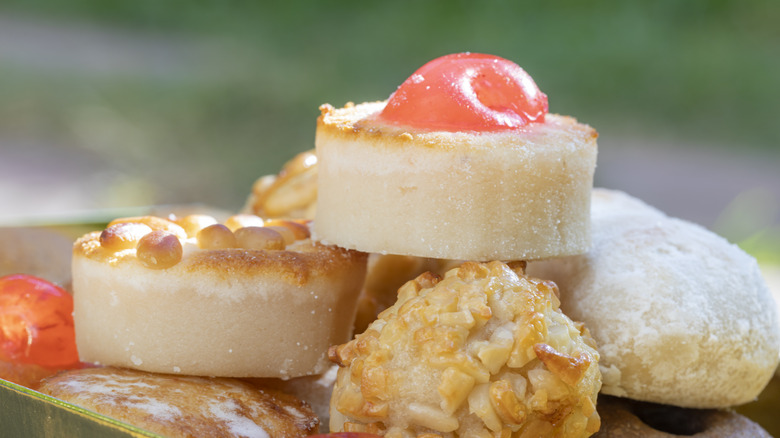
Potato candy is a Depression-era Christmas sweet that remained popular late into the 20th century. To make it, you mixed mashed potatoes with powdered sugar, spread that mixture with peanut butter, and then rolled it and cut it into small pieces. This candy became a holiday tradition for those who wanted to celebrate the holidays but needed to use cheap, easy-to-find ingredients. Potatoes were inexpensive and were available all year round, so with some ingenuity, this cost-effective candy was born.
Potato candy faded out of popularity as soon as home cooks felt the economy stabilize a bit more. Treats like cookies, cakes, and ribbon candies became more popular and accessible, and even though folks seemed to love potato candy, it couldn't beat out traditional goodies if one was given the choice. Bakers of today may be skeptical that a candy made from mashed potatoes would taste the way candy should, although potato candy fans have sworn it doesn't taste like the root vegetable at all. Though it's rarely made today, it is a marker of resourcefulness in the kitchen during a difficult time.
Creamed pearl onions

Creamed pearl onions were a classic Christmas dish for decades, especially if your family came from a strong English or New England background. To make this side dish, one would simmer the tiny onions until fork-tender, then make a basic cream sauce that features nutmeg. The sauce was combined with the cooked onions and served for the holidays, most often Christmas. This dish was considered fancy or high-class for many years, and the featuring of this dish on the menu marked a special occasion.
Today, the creamed pearl onions have fallen out of style and are rarely seen gracing the dinner table for several reasons. Pearl onions are notoriously difficult to peel, given their small size, and since the early 2000s, people have leaned toward roasted veggies that add some more color and flavor to the plate. Cooked carrots and roasted asparagus are much more likely to be found in place of the small onions. While they are no longer popular, they certainly had a moment in time and are now considered a vintage marker of a momentous meal.
Oyster stew
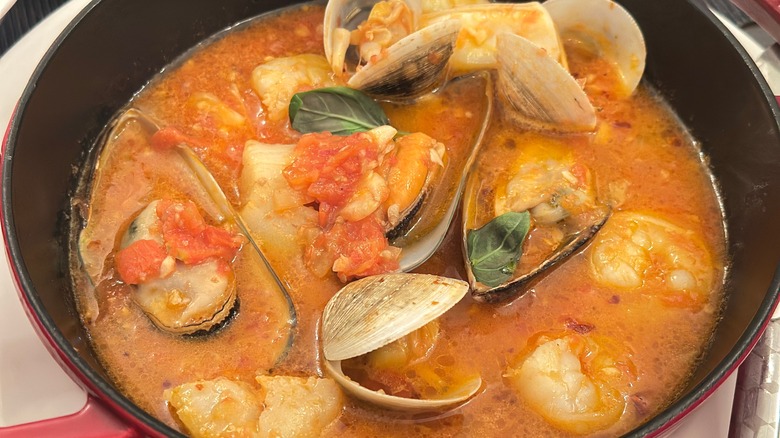
Oyster stew was once a heavily practiced Christmas Eve tradition, especially for families along the East Coast. During the early 19th century, oysters were incredibly cheap and could be found almost anywhere, thanks to expanding railroads and booming fishing businesses. Oyster harvests were so large that they became a common centerpiece of American meals. Oyster stew was accessible and comforting in the winter months, tasting better during colder times of year, thanks to algae populations dropping. Catholic communities avoided eating meat such as pork or chicken on Christmas Eve, so the tradition of oyster stew was born.
Oyster stew was simple, hearty, and comforting, usually containing only oysters, milk, butter, and spices. Today, oysters are not the common, everyman's dish they once were. In their heyday, oysters were practically a "fast food," sold everywhere from markets to street vendors. Now, thanks to over-harvesting and environmental changes, they are not quite as accessible as they once were. While this dish is no longer the Christmas staple it once was, some families still enjoy it around Christmas, and those who grew up with it look back on oyster stew as a winter favorite that rang in the holiday.
Chestnut stuffing
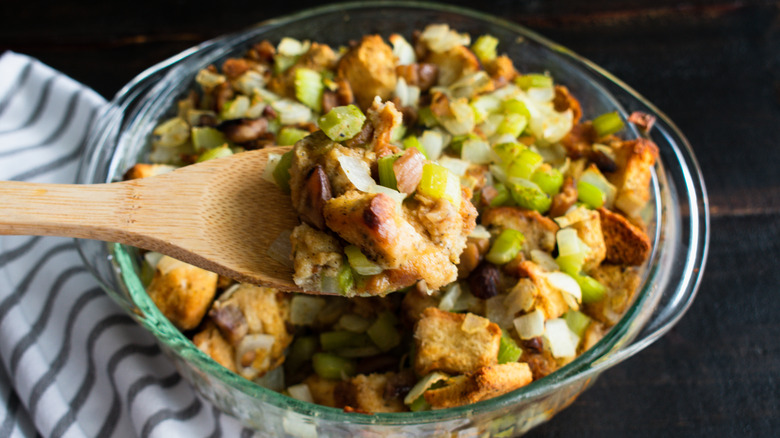
Chestnuts were incredibly popular for hundreds of years in the United States, with the earliest recipe for chestnut stuffing appearing in a cookbook from the 1770s. While they are now most notably mentioned in holiday song lyrics, they were once a major part of the American diet, appearing in many dishes all year round. Chestnuts were incredibly abundant in the U.S., spanning centuries — chestnut trees used to cover acres and acres of American forests. They were so plentiful that they were considered an everyday food, not a luxury as they are marked today. Adding chestnuts to a simple stuffing recipe along with aromatics and herbs made the dish special enough for the holiday while still keeping it inexpensive.
This tradition didn't fade out of style due to changing tastes, but instead because the American chestnut went almost completely extinct. A blight affecting the American chestnut tree wiped out billions of trees in the early 20th century, resulting in chestnuts going from an everyday pantry item to a food that had to be imported to the United States. With such a drastic change in availability, dishes such as chestnut stuffing slowly disappeared from holiday recipe books, along with many other recipes that included chestnuts.
Rutabaga mash
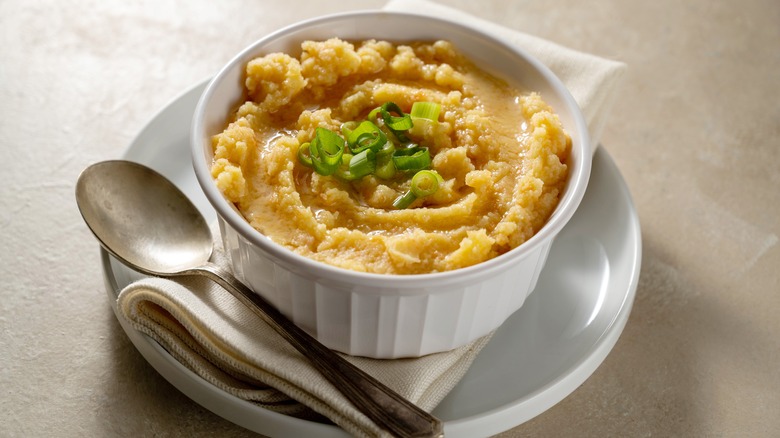
While mashed rutabaga may not sound especially glamorous to our current culinary tastes, this Nordic-influenced dish was once a holiday tradition. Rutabaga has a natural, sweet, earthy taste, and the vegetable is stored well for long periods of time. Because of this, it was a winter essential. Families would combine the mashed root veggie with cream and butter and have a hearty side dish for their holiday meal.
In modern kitchens, rutabagas have been overshadowed, of course, by the potato. Presently, rutabagas aren't normally as easy to find as potatoes, and when they are in grocery stores, many home chefs don't know how to prepare them. However, you can easily use rutabagas as a substitute for potatoes much of the time, even using them to make french fries. Another case of sticking to what you know, potatoes often win out over their less-popular cousin. If you're ever looking for a potato replacement to switch things up for a holiday meal, trust your ancestors and try out mashed rutabaga, instead.