

A Guide To Pierogi: Recipes, Cooking Tips, And More
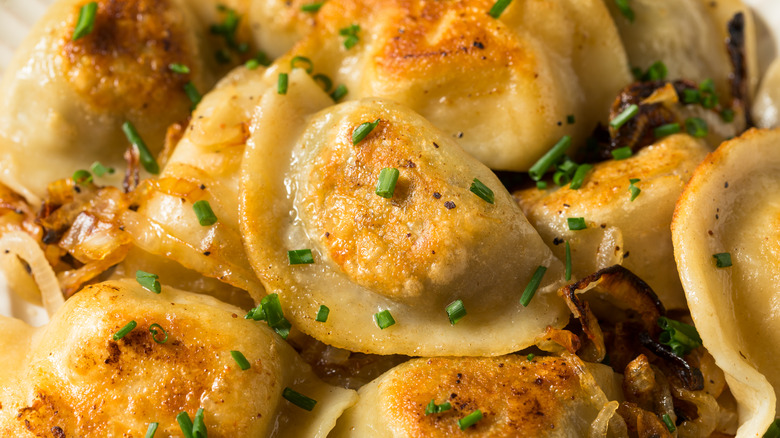
Pierogi are widespread in Europe, but somehow, many people in the United States still don't know what they are. If you don't already love and eat them, let us tell you, you're missing out. Pierogi combine three of my favorite foods, potatoes, cheese, and pasta, to make delicious pillowy bites of heaven. Whether you eat pierogi all the time or this is the first time you've heard of them, there's plenty to discover about their origin, possible cooking methods, and various creative renditions.
While this article features research regarding history and recipes, most of the information about cooking techniques and possible renditions comes from my personal experience making, experimenting with, and enjoying pierogi. I actually love pierogi so much that I eat them for lunch and dinner a few times a week. Thanks to their ingredient composition, they're incredibly versatile and never get old. Plus, they're delicious and quick and easy to make, so I just can't resist. Keep reading to discover everything we've learned and everything you need to know about pierogi, including origins, inventive recipes, and more so you can help them reach their full, delicious potential every time you make them.
What are pierogi?
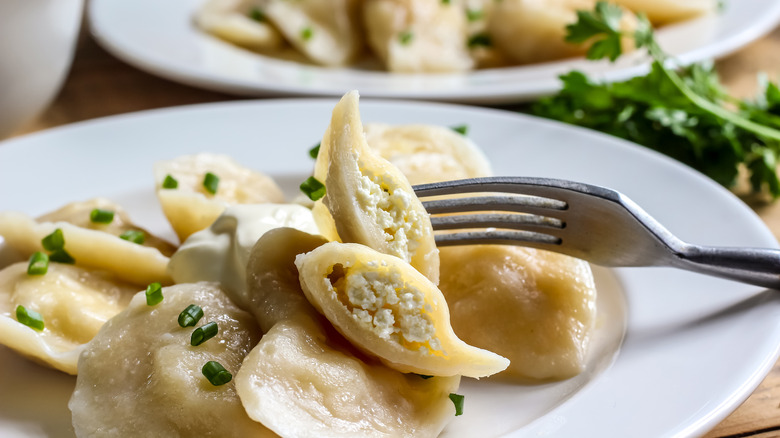
Pierogi are essentially the Polish version of ravioli. However, instead of being filled with ricotta, they typically contain mashed potatoes. Sounds amazing, right? Traditional pierogi are half-circle-shaped pasta dumplings made with unleavened dough and a blend of potato and cheese inside, but that's not where it ends. You'll also find pierogi stuffed with onions, meat, sauerkraut, or fruit. A touch of sour cream along with potatoes is also common. In addition, pretty much anything goes regarding the type of cheese used in the filling. From cheddar to cottage cheese to farmer's cheese to a blend, you'll find them all. So, as you can see, they're quite versatile and easily cater to different tastes and preferences.
To some people, pierogi may sound like a carb overload, especially the classic version, but just wait. Once you try them, you'll see what all the fuss is about. They're tender, pillowy, and mouth-wateringly delicious. They can also be cooked to have a crispy finish, which only adds to their rich texture.
Where do pierogi come from?
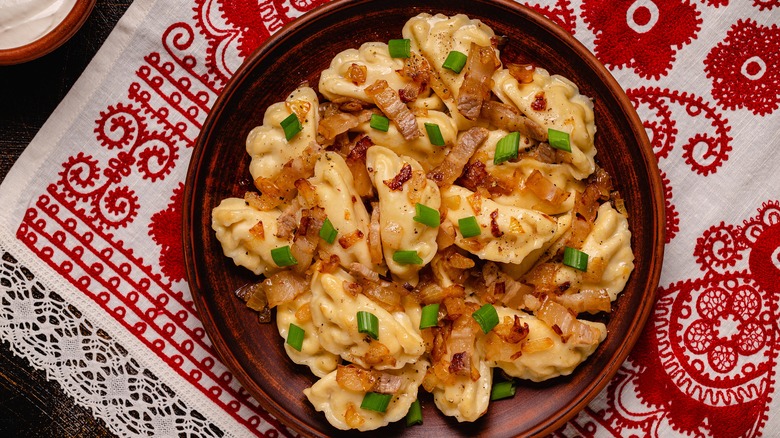
Several origin stories and myths surround the invention of pierogi, so their history is somewhat disputed. According to Britannica, the word pierogi and an accompanying recipe first appeared in print near the end of the 17th century. However, the food itself had already been around for centuries at that point. In the Polish tradition, pierogi were first introduced to the country by missionary St. Hyacinth. He was Polish-born, but it is believed he returned to Poland from a posting in Kyiv and brought them along with him. As a result, both Ukrainians and Russians also lay claim to their invention. Even so, historians speculate that pierogi may have reached Kyiv via the Silk Road and originated in Asia.
The Pierogi Experiment reports that it wasn't until the early 20th century that pierogi first started appearing in the United States after being brought over by Eastern European immigrants. Officially, the first documented sale of pierogi in the U.S. happened in Cleveland in 1928. Interestingly enough, in the U.S., we use the term pierogi incorrectly. We think of the word as singular and change it to "pierogies" to make it plural. However, pierogi is already the plural version, and the singular is pierog. Regardless of how they got here, where they came from, or what we call them, it's no wonder they have become so popular in many places.
Are pierogi and dumplings the same thing?
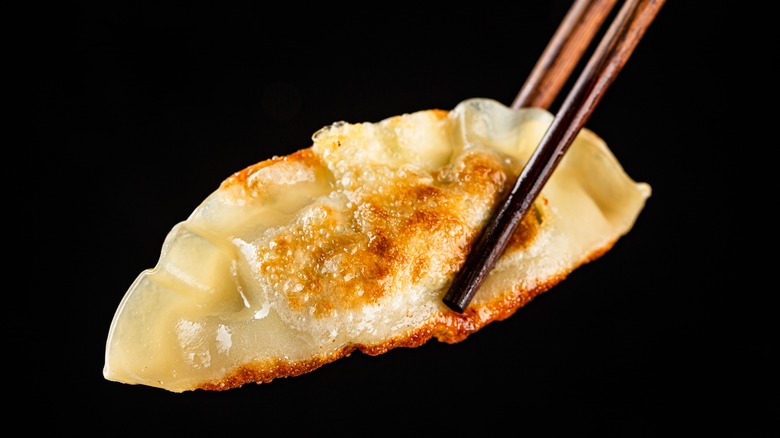
Pierogi and dumplings definitely fall into the same food category. In fact, the word pierogi means dumpling in Polish. Dumplings are essentially filled dough pockets, and many variations of this exist across different types of cuisines. You'll find a rendition of a dumpling in Eastern European, Italian, Chinese, Indian, Japanese, and American cuisines. Pierogi are just one example of a dumpling, but they all come from the same culinary family.
What sets pierogi apart is their Eastern European origin, regional use, and, of course, their filling. They are made much like other types of dumplings, particularly semi-circle Asian dumplings, but they contain wildly different ingredients. While many dumplings are stuffed with meats and veggies, pierogi are the only ones to rely so heavily on potatoes. Pierogi stuffed with meat can be relatively similar to Italian stuffed pastas like mezzelune with meat filling. Still, their distinct Polish, Russian, and Ukrainian influences are unmistakable. Regardless, from the type of dough used to make the shell to the filling, they create a dumpling category that is all their own.
Where can you buy pierogi?

Thanks to popular brands like Mrs. T's, pierogi can be found in almost every grocery store. If you've never seen them at your local market, check the frozen section, and you might be surprised. When you're not looking for them specifically, it's possible to simply overlook them. If you're still not having any luck, maybe you're just looking at the wrong grocery store. Don't worry, though. Mrs. T's has a handy tool on its site that allows you to search for retailers in your area.
Aside from your local grocer, pierogi are also available at various farmers' markets, European specialty grocers, and through online purveyors. The prices vary greatly based on how mass-produced a product is, but you have lots of options when it comes to ordering online. If it's your first time trying them, we recommend trying a more authentic version but don't go overboard on price just in case you find out you don't like them. However, this is highly unlikely, especially if you take the time to prepare them properly and with complementary ingredients and seasonings.
Making pierogi from scratch
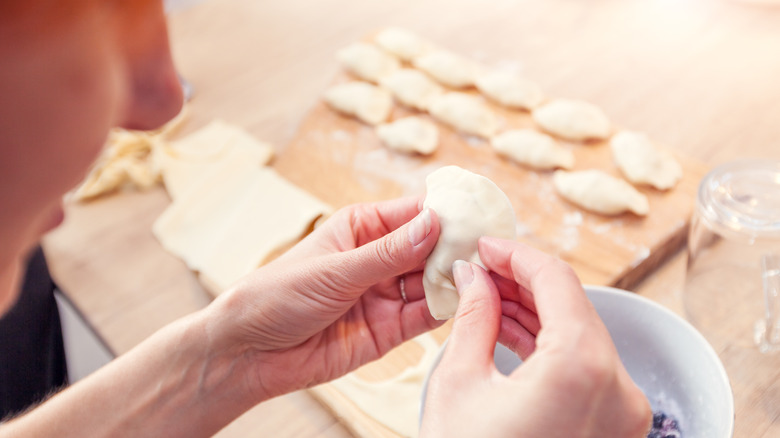
Making pierogi from scratch takes about two and a half hours because it requires quite a few steps. For a classic potato ruskie recipe (with potato and cheese), you start by boiling the potatoes, mashing them, and mixing them with cheese and caramelized onions to make the filling. Then, you make the dough, roll it out, and cut circular shapes. Once all ingredients are ready, put a small amount of filling in each circular cutout, fold over, and seal with crimped edges.
Buying pre-made frozen pierogi from the store is undoubtedly more straightforward and faster, but just like other foods, making them from scratch results in the best quality and flavor, so it's totally worth it. It may sound somewhat intimidating, but they are reasonably easy to pull off if you have the right tools. For example, while not needed, a dumpling press makes forming the pockets much easier and faster. Besides, once you do it a few times, you'll get the hang of it, and it shouldn't be that bad, especially when you see how good homemade pierogi taste. Creating them yourself also allows you to hand-pick fillings to match your specific preferences and better cater to particular recipes, so it's a win-win.
What's the best way to cook pierogi?
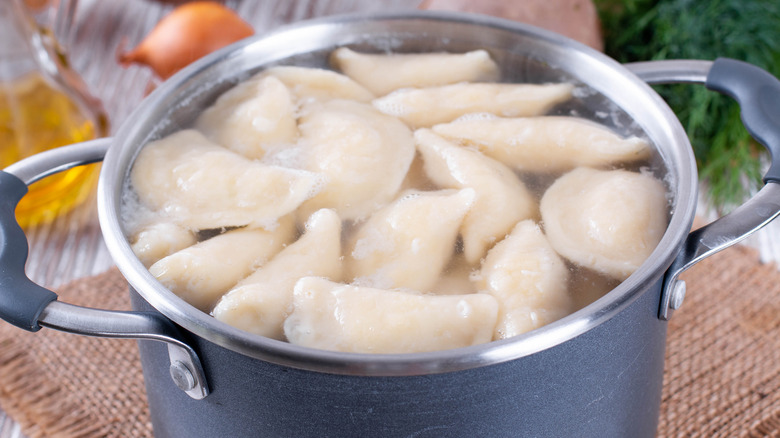
One of the best things about pierogi is that you can easily cook them in a variety of different ways. Boiling and then briefly sauteing is the traditional method, but you can also bake, sauté, air fry, and deep fry pierogi. Of course, different cooking techniques lead to different consistencies, so depending on how you plan to serve them, some approaches may be better than others.
Boiling pierogi for a few minutes is perfect if you want a soft, pasta-like exterior. For a crispier shell, take them out of boiling water and pan-fry them for a couple of minutes to finish them off. Or, you can start them in the saucepan and cook them with oil or butter for an even crispier finish. Even when frozen, they'll still sauté nicely. Boiling them first just speeds up the process.
Baking, deep frying, and air-frying pierogi result in a puffed-up, super crunchy outer layer. These methods are outstanding if you want to keep them crispy but still add lots of sauce. Air frying is the fastest, healthiest option because it doesn't require much time to preheat and can be done without any oil or butter. Air frying pierogi at 380 F for approximately six minutes on each side gives you the ideal golden brown, crispy finish. Baking provides similar results, but it requires about 10 or 15 minutes on each side, and you'll definitely want to apply a thin layer of oil.
Boil and pan fry pierogi with butter for an authentic taste
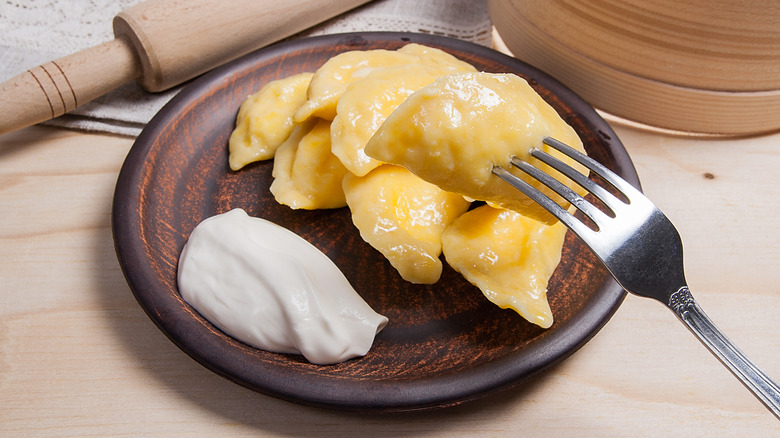
One of the most traditional ways to prepare pierogi is with a bit of butter. Similar to mashed potatoes, butter makes a rich addition to pierogi. After all, they are pillowy pockets of potatoes. To start, boil the pierogi for a couple of minutes. Then sauté them in a pan with a couple of pats of butter until they reach the level of crispiness you desire. It's that easy.
To add some extra flavor to this simple, authentic pierogi dish, sprinkle some seasonings into the pan while they finish cooking. Salt and pepper are a no-brainer, but really, you can add almost any herb or spice you like, thanks to the versatility of pierogi. Sage, rosemary, and other savory spices make a great choice. Garlic, onion powder, dill, and chili flakes also taste delicious with pierogi. Parmesan or shredded cheeses like cheddar and Colby jack on top are another pro move, but most pierogi already have some kind of cheese in the filling.
Serve pierogi the traditional way with chives, fried onions, and sour cream
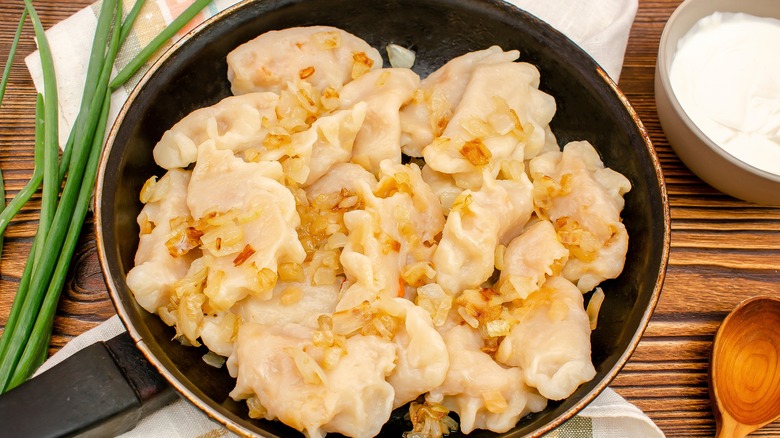
Plain pierogi sauteed in butter may be simple and convenient, but there are better representations of their versatility. If you want more flavor, which most of us do, pan-fried or caramelized onions are another traditional ingredient that accentuates their taste. In fact, many pierogi even come with onions in the filling. After sautéing your pierogi and onions together, top them with sour cream and chives to give them the perfect finishing touch. All the flavors together create a tangy, rich taste you're sure to love.
In addition to the ingredients listed above, sausage and bacon are also considered traditional pierogi enhancements. Bacon and sausage or kielbasa add a salty, savory flavor that only enhances the ingredients in a pierogi. They also create a complementary texture, adding a bit of chewy crunch to your meal. Meat also adds protein, but it makes this otherwise vegetarian dish unsuitable for plant-based diets. If you decide to add bacon, chop it into tiny bits and sauté it with the onions and pierogi so all the flavors blend. When adding sausage or kielbasa, cook it the same way, but slice it into small round pieces. You could serve the sausage on the side, but slices make eating the dish more straightforward.
Pan-fried cabbage is another classic ingredient served with pierogi. Much like onions, it adds a rich, slightly sweet flavor and a soft yet crisp texture. Sauerkraut works exceptionally well here, too.
Sauté pierogi with veggies and meat for a well-rounded meal
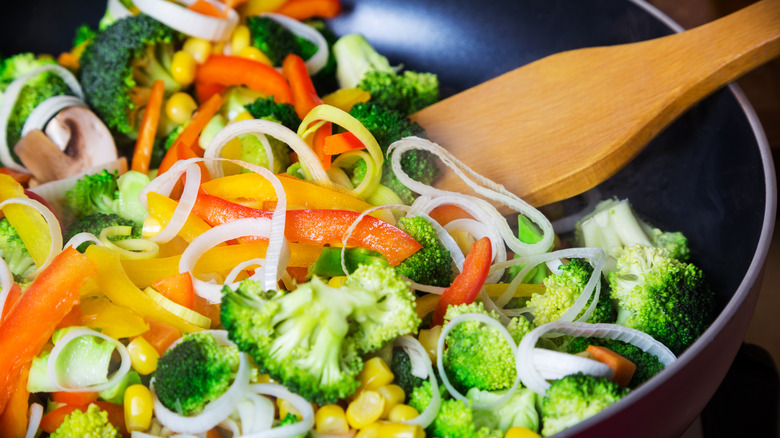
For a complete, well-rounded meal, serve pierogi with an array of vegetables and meat. As we now know, onions, bacon, and sausage are traditional. Still, the versatile nature of pierogi means they also go particularly well with just about any veggie or meat you like. From strips of steak to diced chicken to shredded pork, they all taste great with potatoes, cheese, and pasta.
For vegetables, things like broccoli, cauliflower, carrots, peas, and Brussels sprouts all make an excellent choice. When you sauté them, you can easily prepare all ingredients in a single pan, pierogi included. Even frozen pierogi will cook nicely with fresh veggies, but you can also give them a head start by boiling them for a few minutes before adding them to the frying pan. Either way, top your mix with a bit of salt, pepper, garlic, and any savory spices you like, and the dish will be deliciously flavorful and filling. We also like to top this creation with shredded cheese at the end. It's not really necessary, but extra cheese never hurts, right?
Enhance pierogi with Southwest and Latin flavors
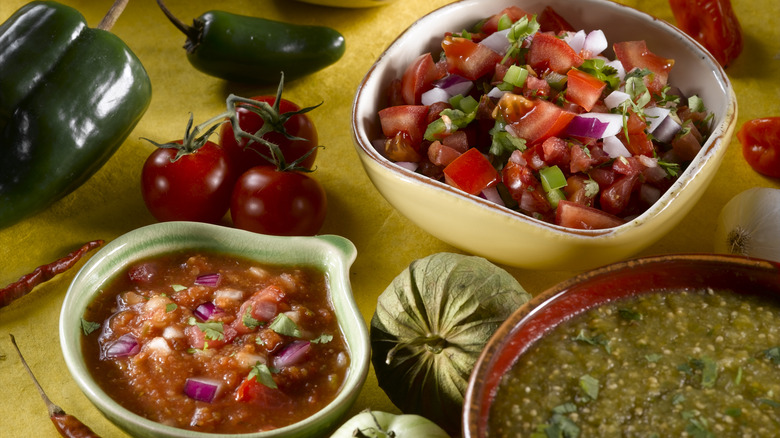
They may come from different sides of the world, but pierogi and Latin flavors make an outstanding combination. The earthy, smoky flavors of spices like cumin, coriander, paprika, and cilantro all make excellent seasoning additions to pierogi. Mexican cheeses like cotija and queso fresco typically blend well with the cheeses commonly used in pierogi, too. Lastly, classic Hispanic ingredients such as roasted corn, tomatoes, jalapeños, and other spicy peppers make great accompaniments to sauteed, baked, or air-fried pierogi.
One of the easiest ways to add Latin or Southwest flavor to pierogi is to smother them with green chili sauce. It contains many of the ingredients listed above and also adds a saucy element, leading to a pleasing texture overall. Green enchilada sauce makes a great substitute if you can't find green chili at the grocery store. You can also add veggies, meat, or some of the other seasonings mentioned to create a heartier dish. There are two methods for making this spicy, amazing combination. First, you can create an easy casserole by combining all of the ingredients in a baking dish, smothering them with sauce, and baking for about 30 to 40 minutes at 375 F. Second, you can cook the ingredients separately and then top your pierogi with whatever you choose. Either way, you'll be glad you tried this mouth-watering pierogi flavor combination.
Toss pierogi in buffalo sauce and dip in ranch or blue cheese
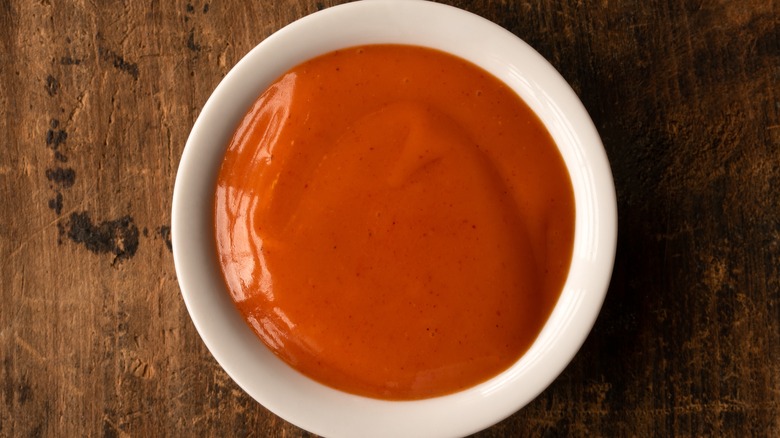
Tangy, spicy, and vinegary, buffalo sauce is a mouth-wateringly delicious condiment. While it is almost always used to smother wings, it is actually suitable for lots of recipes, like buffalo pierogi. They are perfectly served as an appetizer or even an entrée. Just like chicken wings, people flock to them, and what's better is that they aren't nearly as messy because you eat them with a fork. In addition, if you know any vegetarians who enjoy buffalo sauce, this is a great alternative to chicken wings.
You make this fantastic dish the same as wings but simply substitute pierogi for chicken. Start by cooking your pierogi in an air fryer, deep fryer, or oven until they become extra crispy. Then, toss them in butter and wing sauce until fully coated, and they are done. Don't forget the dipping sauce, either. Whether you prefer ranch or blue cheese dressing, both make a solid choice. If you can find mini pierogi, they often work best. Mini pierogi are almost bite-sized, so you won't be tempted to double-dip in the sauce. Suppose you are enjoying them as an appetizer. In that case, it also allows you to enjoy more than a couple without filling up, but full-size pierogi also work fine.
Add pierogi to soup
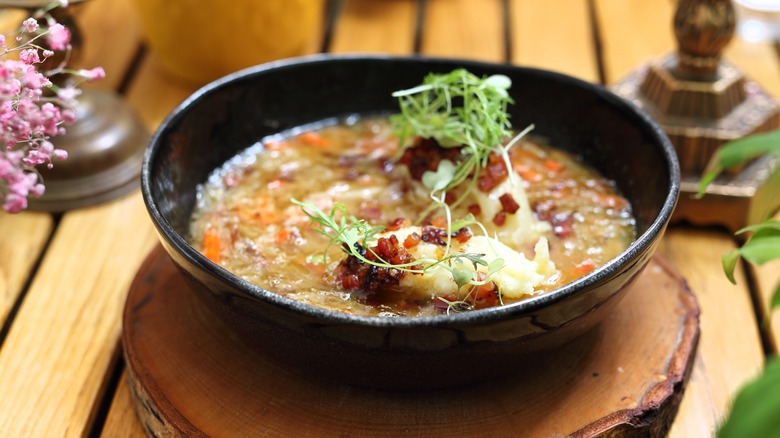
One of the most unique ways I've ever seen pierogi used is in a small ramen spot in Denver. It tops each of its homemade ramen bowls with a single crispy pierogi. While there are many ingredients you can use to take your ramen to the next level, pierogi are by far the most unique. However, when cooked until crispy and placed on top, they add a fantastic crunchy texture to ramen, or even pho, for that matter. Even if the pierogi is not crispy, the flavors complement each other perfectly. Think of it like a wonton soup.
Pierogi also make a wonderful addition to sauerkraut soup. Considering cabbage and sauerkraut are occasionally used for pierogi filling or cooked along with them, this flavor combination makes an ideal pairing. Turning it into a steamy bowl of soup is perfect for a cold winter day.
If you're familiar with Southern food, you've probably enjoyed chicken and dumplings before or at least heard of it. If not, it is a hearty, savory dish often served like a thick stew. You probably know where I'm going with this, but you can easily replace the dumplings with pierogi for a fresh spin on this classic comfort food. The doughy pasta and the soft cheese and potato inside taste great with the other savory herbs, tender chicken, and thick gravy-like broth.
Top pierogi with gravy for lots of savory flavor
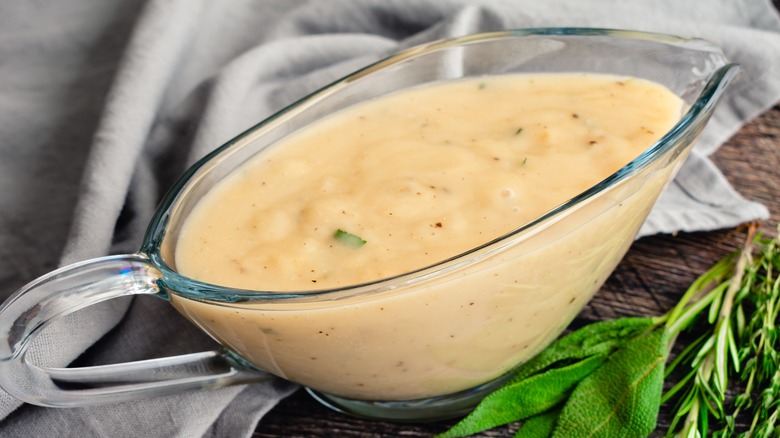
Potatoes and gravy go together like peanut butter and jelly. So, while putting gravy on pasta may sound unusual at first, when you smother pierogi with it, it leads to a rich, savory flavor. Gravy also makes pierogi moist and tender, so they won't be as dry as when they are served alone or sautéed in oil. Better still, when you cut into the pierogi, the gravy will seep into the filling, flavoring them throughout.
Virtually any kind of gravy tastes delicious with pierogi. If your pierogi have a meat filling, you probably want to stick to the same sort of gravy. For example, pierogi with bacon are best with pork gravy. If your pierogi are only stuffed with potato and cheese, or possibly onion, any kind of gravy can be used. Whether it is savory vegetarian gravy, onion gravy, chicken gravy, or beef gravy, they all make an excellent addition. Homemade gravy typically tastes better, but store-bought jars or packets make a simple, quick option.
Serve pierogi with pasta sauce to give them an Italian twist
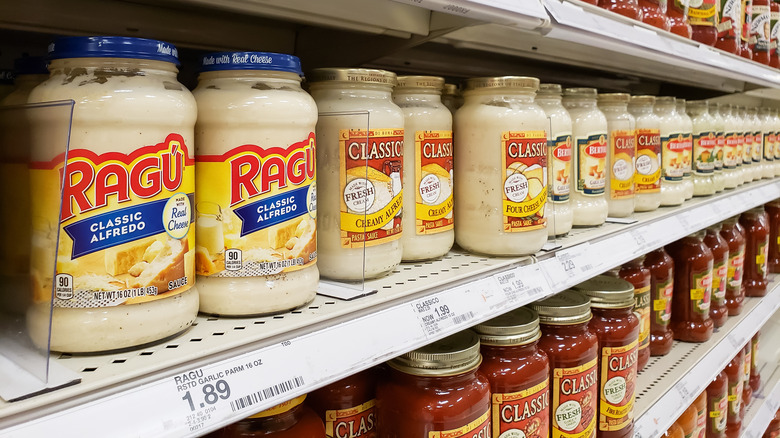
You may be thinking pasta sauce and potato don't typically mix, but pierogi make it work because they are primarily a form of stuffed pasta. Alfredo sauce is exceptionally complementary because it is basically a decadent cheese sauce. Adding a rich alfredo sauce to pierogi is indulgent, but the resulting taste will have you begging for more. The easiest way to do this is to make a pierogi casserole. Simply toss some pierogi in a baking dish, add any meat or vegetables you like, smother it with alfredo sauce, and bake for approximately 30 minutes at 375 F. You can also cook the pierogi separately by either boiling or sautéing and then smothering them in the sauce.
Marinara or even pesto also tastes yummy on pierogi. Anything from bolognese to arrabiata to basil pesto to sun-dried tomato pesto adds a distinctly Italian twist that takes pierogi to new heights. Obviously, sprinkling a bit of Parmesan, reggiano, or both on top doesn't hurt either. With tomato sauces, you could make a casserole bake, but cooking them separately and then tossing them in the sauce is much quicker. A bake is not recommended for pesto sauces because they aren't as moist or thick as other pasta sauces.
Enjoy sweet pierogi for dessert
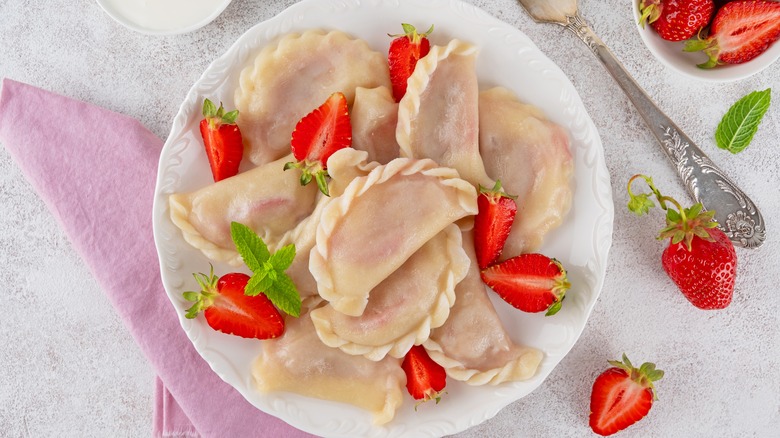
Until now, you may have thought pierogi were only for savory side dishes and entrees. However, they can also be made sweet and served for dessert or maybe even brunch. Sweet pierogi are the same on the outside, but they're filled with ingredients such as fruit, sweet cheese, and warming spices. Just like crepes, they make delicious pockets of tasty goodness. They can also be topped with whipped cream, a fruit compote, caramel, or chocolate sauce. Are you drooling yet?
Unfortunately, you are unlikely to find sweet pierogi at the grocery store, but if you feel comfortable making them at home, it opens up a world of phenomenal dessert options. Think of all your favorite dessert flavor combinations, and they can all be applied to sweet pierogi. Anything from pumpkin pie to lemon blueberry to strawberry Nutella makes a drool-worthy choice. Topping them with powdered sugar, nuts, and other sweet sauces makes them even better. You can also order sweet pierogi from a few online purveyors. The Pierogi Store sells Alexandra's Strawberry, Blueberry, Sweet Cheese, and more.