

Ditch Expensive Lamb Chops: There's A Cheaper Cut With More Flavor
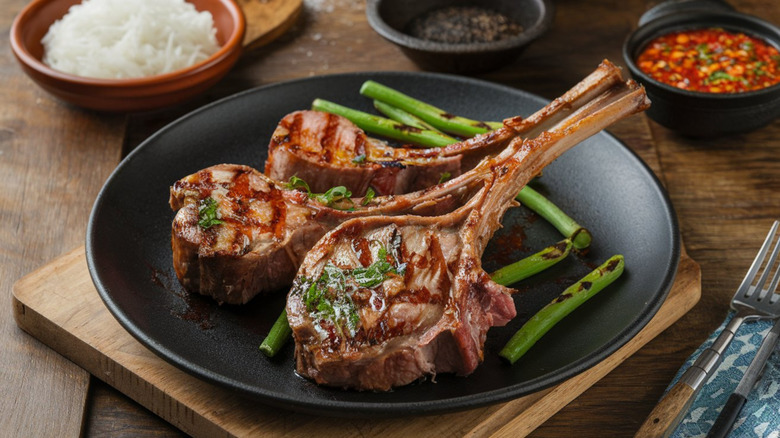
Rich, tender, and intensely flavorful, a well-prepared lamb chop is always guaranteed to be a crowd-pleaser. Compared to chicken, pork, and even most beef, lamb doesn't come cheap. And sitting at the top of the hierarchy are lamb chops. However, a delicious lamb meal doesn't always have to break the bank. One cut that's cheaper yet packs far more flavor is the seriously underrated lamb shoulder.
Much like most premium cuts of beef, lamb chops come from an extremely small, sought-after section of the animal. A single lamb yields only around eight to 10 desirable rib and loin chops, making them a limited commodity. Already, without texture and flavor considered, lamb chops already rein in a high price tag. Tenderness certainly plays a part in their appeal, too. Lamb is typically harvested before the animal reaches 12 months of age, meaning its muscle fibers are finer and more tender than those of mature sheep or cattle, and chops happen to be among the most tender cuts available. Pair that natural tenderness with their limited yield, and you've got a cut that commands a premium.
However, a higher price doesn't always equate to a more flavorful cut. Lamb shoulder proves this. Unlike the scarce rib and loin, the shoulder is a larger, less sought-after cut that comes from a harder-working muscle. Naturally, it contains more connective tissue and is less tender, which helps explain its lower price. Don't mistake that for inferior quality. The shoulder happens to be a richly marbled cut, giving it a fuller, more robust flavor than the relatively lean chops. So if you're after that rich, slightly gamey taste of lamb, shoulder can be every bit as rewarding as chops, if not more so.
The difference between cooking lamb chop and shoulder
Because lamb chops, whether they're taken from the loin or ribs, are so naturally tender, they're exceptionally well-suited to quick-cooking techniques like pan-searing or grilling. This makes them worth the price if you want a quick, low-effort weeknight meal. You don't even need to worry about a marinade, either. High-quality, tender cuts like loin or rib chops already have a potent natural flavor that doesn't need to be boosted by a marinade. Even so, if you want to literally spice things up, put together a classic Indian-style tandoori marinade using a blend of yogurt, ginger-garlic paste, and traditional spices like garam masala, cumin, turmeric, and Kashmiri chili powder for a seriously elevated spin.
If you'd rather keep things simple, borrow a tip from the Barefoot Contessa and ask your butcher to french the lamb. Frenched lamb chops are simply lamb rib chops where the meat, fat, and connective tissue have been completely scraped and trimmed away from the end of the rib bone. The contrast between the pearly white bone and the beautifully browned meat provides the elegant wow-factor fitting for the price of chops.
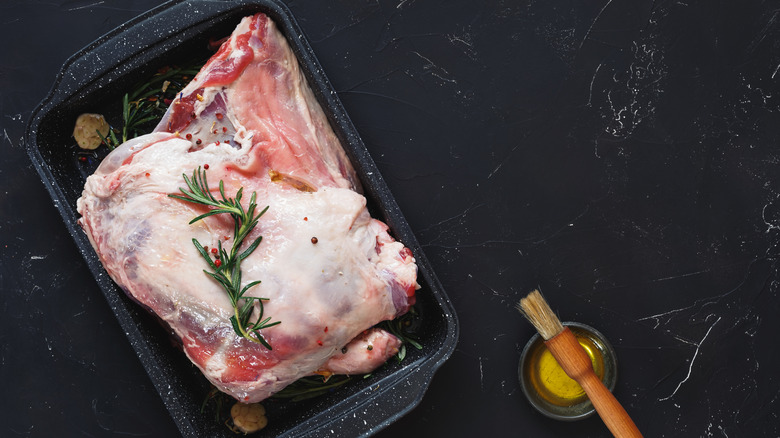
Cooking lamb shoulder is considerably less hands-on than chops, but you pay for convenience with time. Its connective tissue means it's simply not built for quick cooking methods. Instead, shoulder benefits from low-and-slow methods like slow-roasting or braising, which allows the tough collagen to break down into gelatin, thus creating melt-in-your-mouth meat. If you'd rather have quicker-cooking shoulder meat, lamb shoulder chops have you covered. Unlike whole shoulder, thinner shoulder chops can be pan-seared or grilled — though it's worth noting that braising remains a far better option when you're working with thicker ones since they still have more connective tissue than your standard rib or loin chops.