

6 Widespread Complaints Drinkers Have With American Beer
Beer is the most popular alcoholic drink across the United States, according to a 2025 Gallup Poll. But you might be surprised to know that half of the top 10 beer brands aren't made in the country. So what's shifting people's drinking habits and pushing them to look outside America for their preferred beers? Well, it may have something to do with the most common complaints people make about American-brewed beers.
The critiques range from bland flavor and low alcohol content to the drink's overall price. And while taste is always subjective, the perception of many mass-produced American beers isn't as glowing as that of those from foreign breweries. Customers often trust Europe's long traditions and stricter brewing laws because these factors suggest a beer is carefully made.
That's not to say that all mass-produced American-made brews are bad. Instead, a lot of what people think they know about beer has changed, especially since the craft beer revolution in the 1960s. This list features some of the most common complaints about American-made beers — and highlights what's true and what might need a bit of re-evaluation.
1. American beer often has a low alcohol by volume
One common complaint about American beers is the low alcohol by volume (ABV). One Reddit user even posted about how domestic beers are "mostly just (barely) bitter water," claiming they are "disgusting and thinned down." The thinned-down part has been true in the past, but not for the reasons you might think.
Beer has been brewed here since the first European settlers arrived. So-called small beers, which had a lower alcohol content, were made to be drunk with meals because boiling water during brewing made the beer safer to drink than just water. Those low-ABV drinks remained popular until Prohibition.
The craft beer revolution in the 1960s and '70s sparked a taste for strong beers, often with ABVs of 7% or higher. The country split between those who enjoyed higher-alcohol brews and those who preferred the lighter, more traditional beers they were used to. Eventually, a combination of the two won out. Interestingly, although the perception is that American-made beers are weak, around 5% ABV is similar to other countries, such as England and across Europe. So the difference in alcohol content isn't so much about which country the beer is from, as it is about what kind it is and the brewery that made it.
2. American beer has too many chemicals and pesticides
One reason people don't always trust the purity of American-made beers is the lack of official oversight. Some European countries, such as Germany, have had beer purity laws for centuries, which gives the impression that their beers are high quality. However, those laws haven't always been enforced across all regions. So, in reality, foreign beers are just as susceptible to contamination problems as ours are.
However, one thing that does make American brews less reliable is that much of our water contains a type of "forever chemical" called per- and polyfluoroalkyl substances (PFAS), as well as pesticides like glyphosate – all of which pose risks to human health in larger concentrations. You can't brew beer without using a lot of water, and unfortunately, boiling doesn't remove the pesticides and other chemicals.
To be fair, most water sources have small amounts of glyphosate and PFAS, which keeps them within legal limits, but concerns have arisen about long-term exposure risk. A 2025 study published in Environmental Science & Technology found that breweries located near contaminated municipal water sources were 15 times more likely to have PFAS than larger-scale or international breweries. Most of the beers tested contained at least one PFAS.
3. American beer doesn't have much flavor
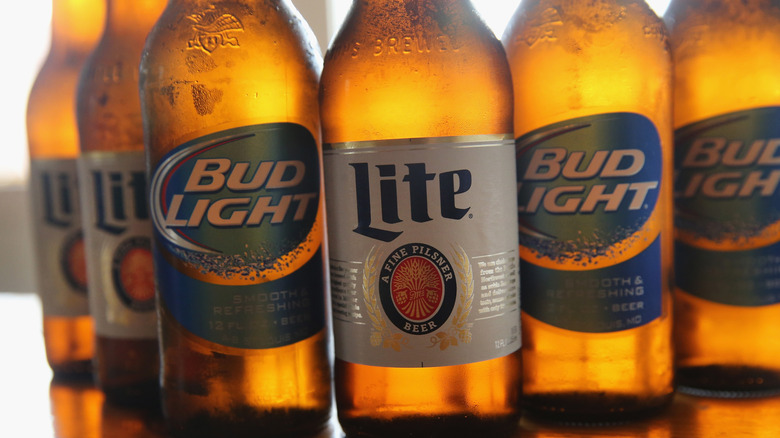
Another common complaint is that American-made beers often lack flavor. Or, as one Reddit user asked, "Why is American beer considered bad or tasteless?" Replies ranged from people saying it's because many mass-produced beers are watered down to others pointing out that's a common misconception from past decades. Both are true.
The craft beer movement has helped shift that perception, thanks in part to the popularity of IPAs, which are known for their pronounced hop flavors and bitterness (hops are small, green, cone-like flowers that contribute much of beer's bitterness and aroma). If you want an idea of how bitter a beer might be, check the International Bitterness Units (IBU) rating on the packaging. This measurement indicates the concentration of bittering compounds in the beer, although it doesn't necessarily tell you how hoppy or flavorful the finished brew will taste.
A lower ABV can also suggest that a beer will be light and crisp; higher-ABV beers tend to be more intensely flavored. But for the most part, many mass-produced American-made brews are known for their lighter taste and relatively mild bitterness, a style that became popular in the decades following Prohibition. Breweries increasingly catered to a broad audience with easy-drinking beers that workers could enjoy with lunch without consuming too much alcohol. That makes this particular complaint a matter of preference and the type of beer you choose, rather than a criticism that applies to every American brew.
4. It's served too cold
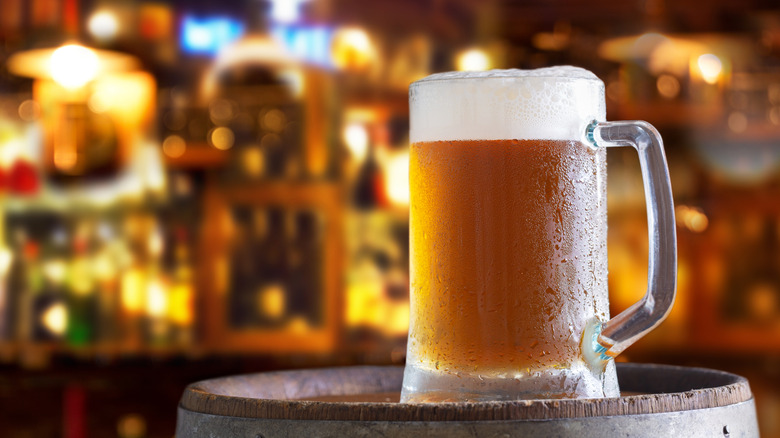
If a frosty beer is a classic way to unwind after a long day, why do American beers get criticized for being served too cold? While chilling a beer a little can make it more refreshing, serving it too cold can actually mask the taste. Still, domestic brews are often stored and served near freezing.
The practice dates back to the post-Prohibition era when American brewers focused on making lighter, lower-alcohol beers. Serving these brews ice-cold helped make their milder, sometimes bland flavor less prominent. But if it's too cold, it will numb your tongue and mask the flavor of a high-quality or higher-ABV brew. That's one reason countries overseas, like England or Germany, drink beers at cooler, or cellar, temperatures, instead of with a hard chill.
Fortunately, bar practices have improved over the past few decades, and most establishments now serve draft beer at an appropriate temperature, so you shouldn't have to wait for it to warm up before enjoying it. Ultimately, though, the ideal serving temperature comes down to personal preference and the type of beer you're drinking. If you want to appreciate its full range of flavors, try not to reach for an ice-cold beer straight from the fridge. And don't worry about letting a chilled beer warm up a little at room temperature, either: a gradual rise in temperature won't automatically change the taste.
5. The beers are often overpriced
There's no denying that beer prices are rising, and drinkers across the board can agree. According to Finance Buzz, the average cost of beer rose roughly 41% between 2015 and 2025, outpacing overall inflation. And before you think only craft beer is solely to blame, Finance Buzz examined prices for 15 mass-market beers, including Blue Moon, Miller High Life, Yuengling, and Coors Light.
While you can always steer clear of some of the most overpriced beers, avoiding pricey brands won't change the fact that brewing beer has become more expensive. The cost of essentials like barley and water has risen, along with electricity bills and other brewery operating expenses. Packaging costs have climbed, too, including the price of aluminum used to make cans. Imported ingredients, such as hops sourced from other countries, can also become more expensive when tariffs are imposed.
6. Mass-produced beers are marketed as craft
Some people might think the main differences between craft and mass-produced beers come down to price and hop content. But the distinction goes beyond that. Large-scale breweries often use adjuncts such as rice and corn alongside traditional brewing ingredients, while craft breweries typically produce beer in smaller batches, often with a greater emphasis on traditional ingredients and distinctive flavor.
That difference can be harder to spot than consumers might expect. Some beer drinkers have been surprised to learn that brands they believed came from independent craft breweries are actually owned by major brewing companies. On Facebook, one consumer made a video highlighting beers many consider higher-quality craft brews that are made by mega-breweries like Molson Coors or Anheuser-Busch.
This practice is called "craftwashing" and has prompted several lawsuits over how beer is marketed to consumers. MillerCoors and Walmart, for instance, have faced class-action lawsuits alleging misleading marketing of beers presented as craft products. Many such cases have been dismissed, however, in part because "craft" is generally a marketing term rather than a legally standardized designation. Even when the marketing is technically permissible, the practice can leave beer drinkers questioning whether the brands they buy are as independent or distinctive as they appear.