

5 Catalan Restaurant Rules American Tourists Immediately Break
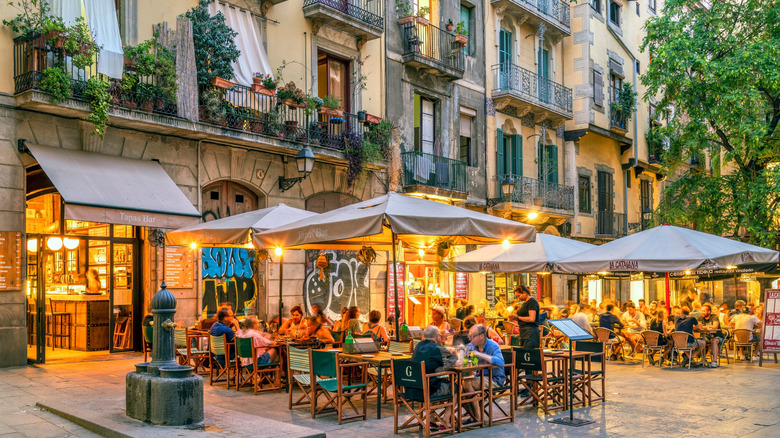
Catalan refers to the Catalonia region of Spain, whose capital, Barcelona, is a popular tourist destination. While Spanish citizens may refer to themselves as Spaniards, the country is actually home to several ethnic groups with their own unique histories, cultures, languages, and cuisines. Catalonia is one prime example of the nation's diversity, and its distinct culture is one of the reasons why it is an autonomous community and has certain rights and privileges over how it governs its people. Historically, Catalan culture has faced periods of oppression in Spain for nearly 300 years, meaning that locals are very protective of it, and the local government makes great efforts to preserve it.
While Catalan food customs share a lot in common with those of other regions in Spain, they also have distinct traditions that shape how American visitors experience the local dining scene. If you're in Barcelona, you should definitely take the time to stray a bit from the more internationally renowned Spanish specialties, like paella and tortillas, to enjoy this gastronomy, which may open a whole new world of flavors and textures that you may want to recreate when you return to the States. From knowing about the language and mealtime rituals to understanding the cuisine's ethos and what makes it unique, below are five Catalan restaurant dining rules you should be aware of when you visit this northeastern region of Spain.
Learn the local lingo
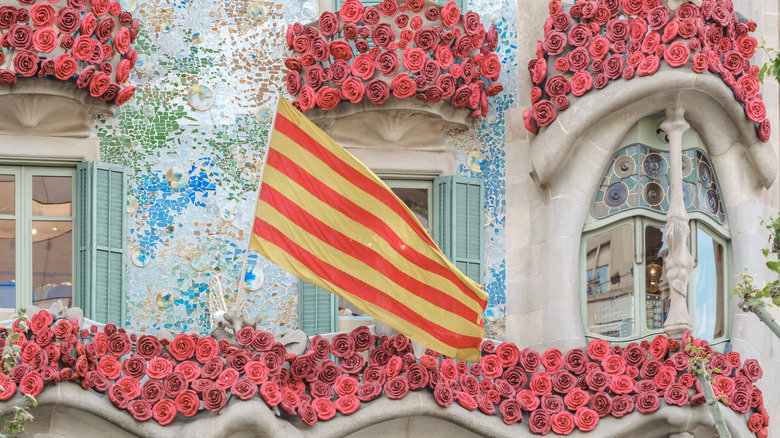
Catalan has been a major language in northeastern Spain for over 800 years. While it's related to Spanish — or rather Castilian, as it's known in Spain — it's distinct from it and includes many consonant sounds that don't exist in Spanish but are actually present in English, making it easier for many American tourists to pronounce. King Philip V imposed restrictions on the use of Catalan in official life in the 1700s, and the Catalan language was banned from schools during the Franco dictatorship, which began in 1939 and continued for decades until democracy was reestablished in the 1970s. It's still a language facing pressure amid the widespread use of Castilian, despite the community's efforts to promote and preserve Catalan.
All of this is to say that Catalans are very proud of their mother tongue and feel huge pressure to preserve it. Speaking Spanish at a generic restaurant in Barcelona may be okay, but if you're visiting a specifically Catalan restaurant in Catalunya, especially outside of big cities, you should learn at least a few basic phrases in català. If you feel more comfortable speaking Spanish, ask the staff if it's okay to speak castellano. Referring to Castilian as the only Spanish language can be offensive, as it can imply that Spain only has one culture and one language. And don't get upset if the staff prefers to speak Catalan. As an English-speaking tourist, you might feel more comfortable asking, "Parles anglès?" or "Do you speak English?"
Keep an open palate
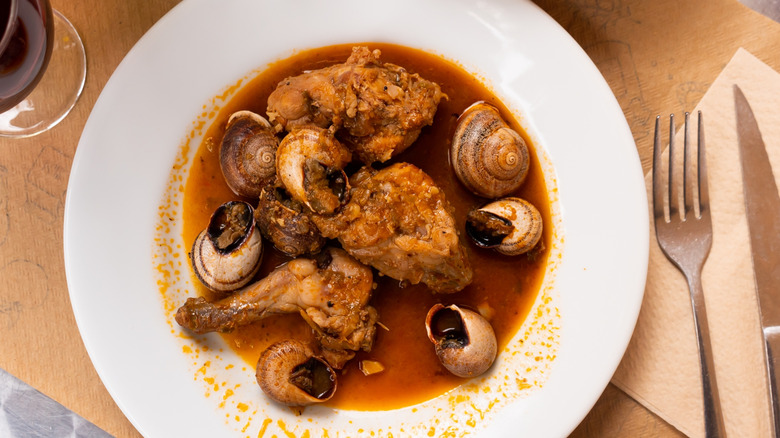
You can find foods from other Spanish regions, like jamón ibérico and gazpacho, in Catalonia, but don't necessarily expect to find them on menus in traditional Catalan restaurants. Because the region has such a distinctive cultural identity, its cuisine also differs from what you may find in the rest of the country, even down to the flavors of the dishes you may encounter. Geography and history have greatly influenced the region's gastronomy. Its Mediterranean coastline provides a bounty of seafood, while a wide array of produce, nuts, rice, and game are available inland. As such, you can find both land and sea animals on the same plate at Catalan restaurants, like in mar i muntanya — literally meaning "sea and mountain."
The region's cuisine also has North African influences and includes nuts and dried fruit in savory dishes, like spinach with pine nuts and raisins. Its seafaring merchants also introduced foreign ingredients, like tomatoes, which are an integral part of dishes like pa amb tomàquet. Catalans are also among the largest consumers of fresh vegetables in Spain, and their dishes may feature more of them compared with what you may be used to at Spanish restaurants in the U.S.
Catalan cuisine also features a lot of sausages, but unlike the chorizo you may be familiar with, many traditional Catalan sausages don't contain paprika. Breakfast foods also tend to be savory, which can set the cuisine apart from other parts of the country where sweet breakfast foods are common. There are many Catalan dishes that you may already know that are popular throughout Spain, like made-from-scratch aioli and crema Catalana, while others may surprise you, like crepes filled with leftover chopped meat and smothered in smooth béchamel sauce.
Venture beyond the Barcelona border
Barcelona is a cosmopolitan hub, and about a third of the population is foreign-born, including many international immigrants. As such, you can find food from all over the country and the world in this city, in addition to many traditional Catalan specialties. However, the territory of Catalonia includes four distinct provinces, each with its own styles of cooking and unique dishes. Barcelona's traditional cooking combines ingredients and techniques from all over the region, though it's famous for seafood sourced from the Costa Brava, along with its elevated gastronomy.
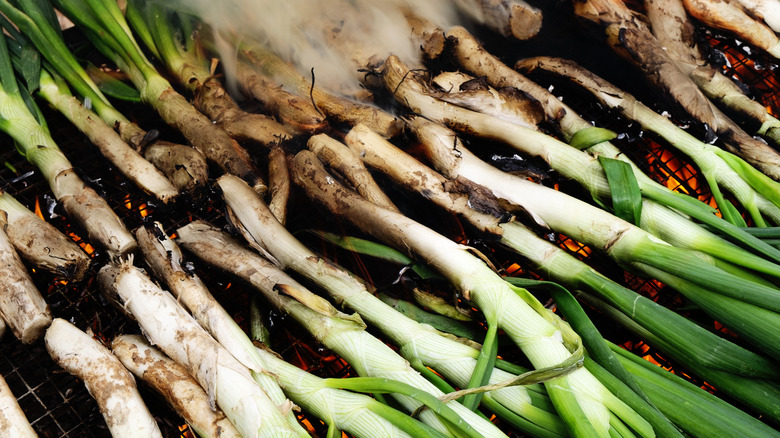
Venture south to the province of Tarragona, and you'll find other seafood specialties, as well as a unique type of green onion called a calçot. Lleida is known for its mushrooms, snails, and hearty mountain cuisine. Girona is famous for its sweets, like xuixo — a deep-fried pastry filled with cream — along with its chocolate. There are also distinct wine regions, including Penedès, where Cava, Catalonia's emblematic sparkling wine, is produced. And this is just the tip of the Catalan culinary iceberg. You can find a lot of these specialties in Barcelona, but nothing beats going to where these microregional ingredients originate and where locals have perfected traditional recipes over generations. Catalonia isn't just Barcelona, and that extends to the region's cuisine.
Respect the avant-garde culinary scene
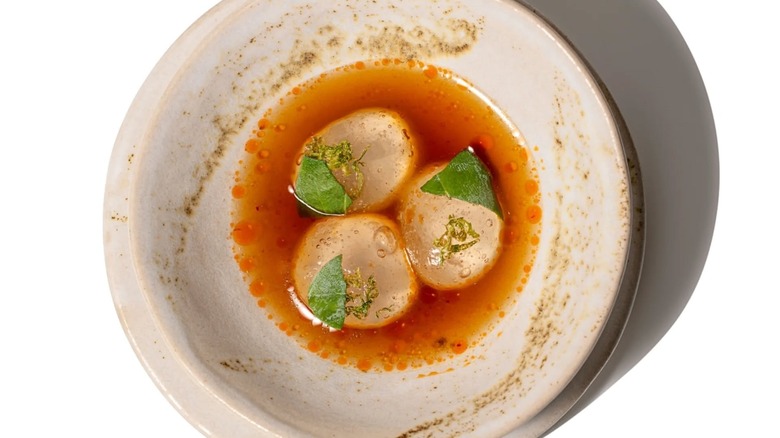
Ferran Adrià is one of the most revolutionary chefs of the late 20th and early 21st centuries and is largely credited with popularizing modernist cuisine, often associated with molecular gastronomy. For the uninitiated, this approach to cooking aimed to deconstruct diners' expectations about food and employed scientific techniques to create new flavors and textures that fine dining hadn't seen before. Adrià is a Catalan chef, and his flagship restaurant, elBulli, was located in Catalonia until it closed in 2011. Alumni now head one of the world's best-known restaurants, Enigma, in Barcelona, which continues to wow diners with its innovative approach to gastronomy. But none of this is just random. Innovation is a hallmark of Catalan cooking and is considered a pillar of the cuisine.
Well before Adrià was creating foams and gels, Catalan home cooks were using what was available to them to create unique dishes. The region's history of trade, its proximity to France, and the diversity of its landscape enabled its cooks to meld flavors and textures you may find surprising — combining lobster with snails and rabbit, adding sugar instead of salt to sausage, or rubbing a ripe tomato onto bread so it absorbs all the juices. This culinary curiosity continues today, with chefs employing even more techniques and international influences while maintaining that traditional Catalan innovative ethos. Today, Catalonia is home to more than 60 Michelin-starred restaurants — pretty impressive for an area smaller than West Virginia! When you visit the region, don't miss out on these modern, experimental dining experiences, or you'll miss out on a vital part of cuina catalana, or Catalan cuisine.
Sync with the local clock
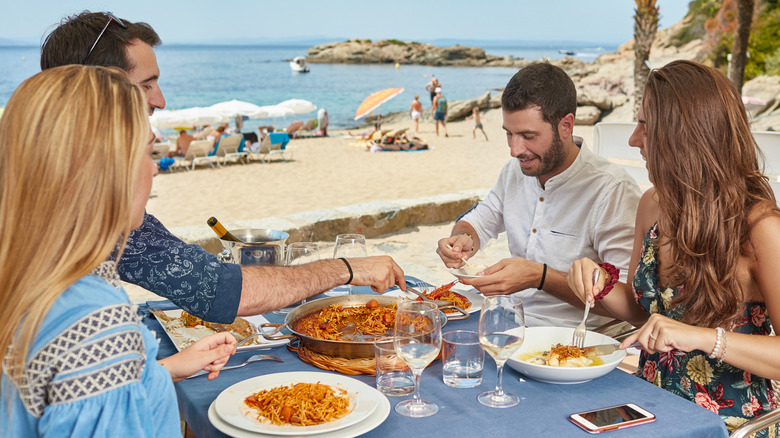
One of the things that may shock American tourists when they visit Spain is how late people have their meals, especially dinner, which can be enjoyed as late as 10 p.m. Lunch is also the main meal of the day and can be a prolonged affair. And many tourists — even those from other European countries — may take some time adjusting to the afternoon break, or siesta.
However, there are some regional particularities in Catalonia you should be aware of when dining out, like how Catalans approach the siesta. The timing of that midafternoon pause isn't as fixed as it may be in other parts of Spain, especially when it concerns business hours. Some businesses may be open through siesta time, and others may close for several hours until the dinner crowd comes out. Restaurants, however, may be more affected by when Catalans enjoy their meals, which might be more noticeable in smaller towns than it is in Barcelona.
Lunch can last several hours, and you don't just get up from the table when you're done eating but may stick around for discussion or friendly banter after the meal — a tradition called sobretaula. It's also common to enjoy more than one breakfast before lunch, including a traditional "fork breakfast" that may include meat dishes, though this tradition is largely observed on weekends. Dinnertime tends to be earlier than in some other parts of Spain and can start at around 8:30 p.m. Specific foods are also enjoyed at certain times of day. It's important to note that evening meals are often much lighter and may consist of tapas or other small bites. And just like lunch, you're intended to spend time enjoying good food and conversation.