

11 Common Mistakes People Make With Deli Meat
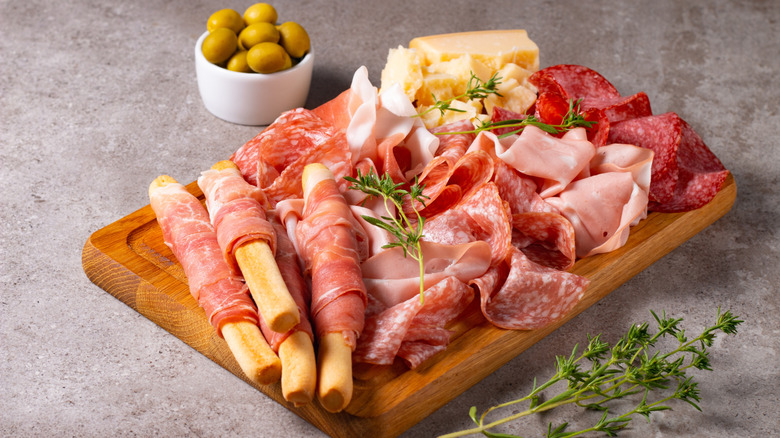
Cooking every meal from scratch sounds noble until it's noon, your stomach's growling, and you've still got a dozen things on your to-do list. Sure, you could book a table or grab takeout, but few convenience foods hit the spot quite like a well-built sandwich from the local deli. There's something comforting about watching your favorite lunch meat sliced to order, piled onto fresh bread, and wrapped up neatly for the trip home.
If you've got a soft spot for the deli counter, though, you've probably noticed it's developed something of a PR problem. Health experts have long warned about the sodium, preservatives, and additives found in many processed meats, while a string of high-profile recalls and outbreaks has kept deli meat in the headlines for all the wrong reasons. Those concerns aren't entirely unfounded, but they also don't mean every slice of turkey or pastrami is a ticking time bomb.
Staying on the safe side doesn't mean you have to swear off your favorite lunch meats altogether. A little discernment — knowing what to buy, how to handle it, and which common missteps to avoid — goes a long way. With that in mind, here's a look at some of the biggest mistakes people make at the deli counter — and how to sidestep them so you can enjoy your favorite lunch meats with a little more confidence.
1. Buying deli meat from dirty, poorly refrigerated displays
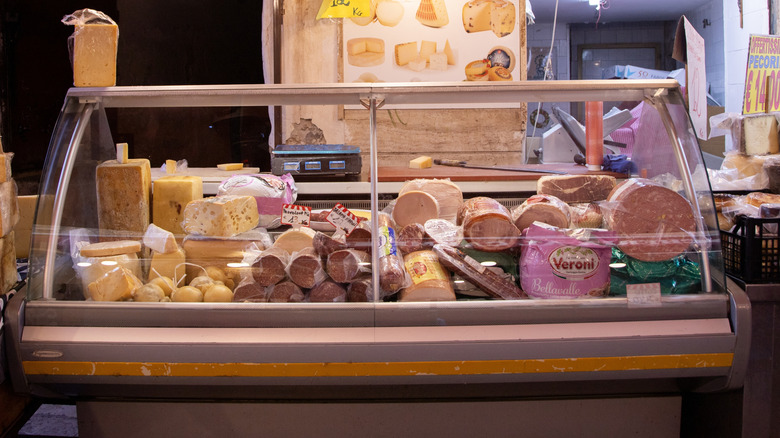
Getting food poisoning from contaminated deli meat is, regrettably, not as out there as you'd probably like to think. Unless making your own deli meat from scratch, you really can't afford to let your guard down. One of the biggest things you need to keep a hawk eye on is where you buy it. Not every deli treats hygiene and temperature control like holy writ, as any food scientist worth their name will tell you.
That means that no matter how long you've been buying from the same neighborhood spot, it's still worth giving it a quick once-over every visit. A deli's display case is at times emblematic of its overall approach to cleanliness and temperature control. So let your eyes linger for a moment. Look out for smears, standing liquid, or dried-on food debris. These could be signs that the display case is not being sanitized as regularly as it should. Get a feel of the surface. If it's not consistently cold, temperature control might not be a top priority at that spot. Next, take a look at how the meat is displayed. Air flow in refrigerated display cases is pretty finicky. If meat is piled too high up above the load line, cold air might not circulate properly across the stack. Warm zones can develop at the top, creating favorable conditions for bacterial growth.
2. Leaving deli meat unrefrigerated for too long
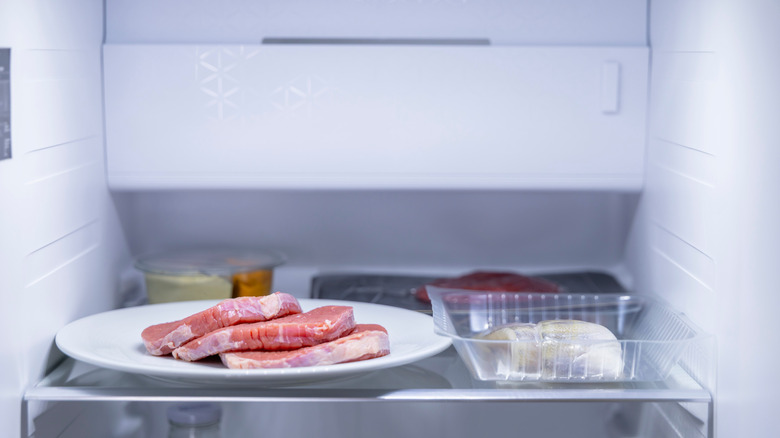
Deli counter practices aside, how you handle your deli meat after purchase plays a huge role in how safe it ultimately is. This means your temperature control also needs to be just as spot on as your deli's if you want to keep bacterial growth in check. Food-borne bacteria can multiply as much as two-fold in as little as 20 minutes, per the USDA, when food lingers in the "danger zone" — between 40 F and 140 F. This means the longer your deli meat lounges on the counter, the better your odds of coming down with food poisoning.
The USDA recommends refrigerating deli meat and other ready-to-eat foods within two hours of purchase. And refrigeration doesn't simply mean chucking it in the fridge and calling it a day. Make sure your refrigerator is set to 40 F or colder. Better yet, keep a refrigerator thermometer on-hand. It'll give you a much better idea of how cold your fridge is actually running than the temperature dial ever will.
And remember: Refrigeration slows bacterial growth; it doesn't stop it. Listeria, for instance, can continue multiplying, albeit at a much more subdued rate, even at refrigerator temperatures. So plan to eat unopened deli meat within two weeks, and opened deli meat within three to five days. If you need to keep it around longer, your freezer is the better option. Just don't stash it away forever; use within one to two months.
3. Not checking the labels or packaging

There are plenty of cues to go off if you're checking freshly sliced deli meat for spoilage. Visual clues aside, it might give off a strong sour smell or feel a little slimy to the touch. You haven't got nearly as many tells with prepackaged lunch meat, so you've got to be a little more vigilant. Your biggest weapon is the information printed right on the package. Quality dates, like the use-by or best-by date, are a good starting point, especially if you're shopping somewhere sketchy.
Beyond that, take a good look at the packaging itself. Watch out for tears, leaks, broken vacuum seals, bloating, excessive trapped liquid, or unusual discoloration. They're warning signs the package may have been damaged, mishandled, or simply outlived its shelf life. Give the ingredients list a once-over, too, especially if you have food allergies. While manufacturers are encouraged to include a 'Contains' statement when a product contains a major allergen, it's not mandatory. This means products may still contain known allergens even if you don't see a bolded declaration on the package.
Don't gloss over the long string of numbers stamped on the package. Those codes — the establishment number, lot code, production date, and package date — can help you tell whether your package is part of an active recall. This can be life-saving information, considering deli meats can be recalled for some pretty serious reasons, including contamination with food-borne bacteria, foreign material, or undeclared allergens.
4. Not storing it in airtight containers
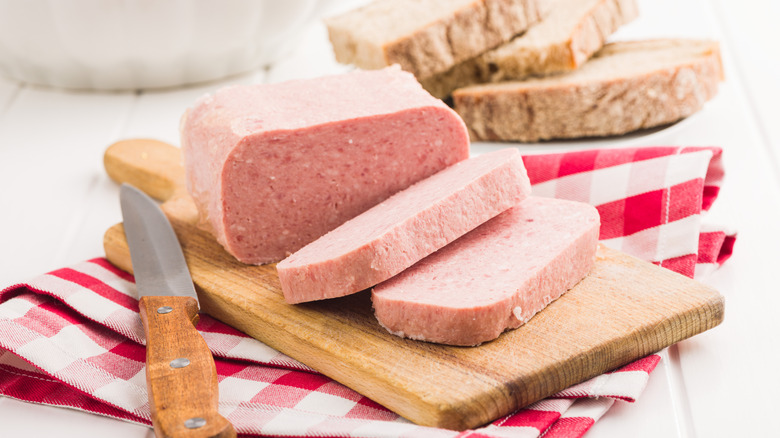
Keeping deli meat refrigerated is the best tool in your arsenal for making sure it stays safe to eat. But you can't just chuck it into the fridge willy-nilly. Another huge enemy of freshness is oxygen. Once exposed to ambient air, oxygen reacts with the fat in the meat, gradually compromising its flavor, texture, and overall quality. Your lunch meat can also suffer dehydration if left exposed for too long, resulting in leathery slices and dry, curled edges.
To keep those problems at bay, transfer opened prepackaged and freshly sliced deli meats into an airtight container before they hit the fridge. Doing so helps limit oxidation and moisture loss while creating a physical barrier between your lunch meat and everything else in the refrigerator. This means you won't have to worry about keeping drips from raw meat juices or at bay or your lunch meat picking up odors from other foods in the fridge.
And remember: Not every lidded kitchen container is airtight. Look for firm locking clips, a silicone gasket around the rim, or a vacuum-style design. Not sure? Put it to the test. Fill the container, snap the lid shut, and carefully turn it upside down. If water escapes, air probably can, too. Don't worry if your container fails the water test. A high-quality zip-top freezer bag with most of the air pressed out, or better yet, a resealable vacuum-storage bag if you own a vacuum sealer, will also do the trick.
5. Buying deli meat in bulk for everyday use
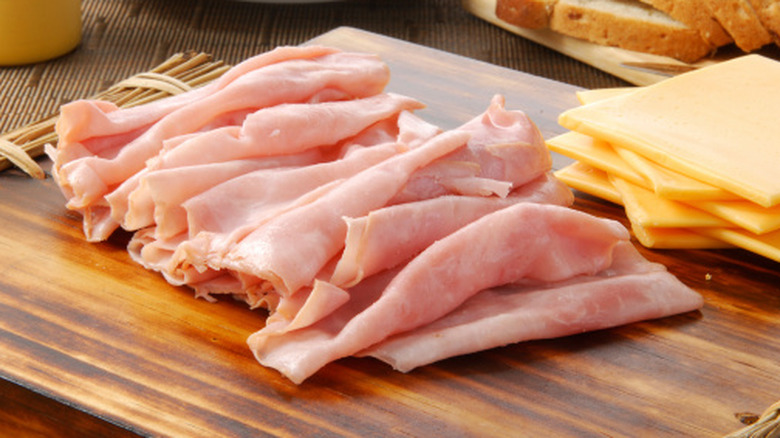
Knowing what you're going to have for dinner is practically a superpower in this age of endless choices. And if you're partial to the nostalgic comfort of a pastrami or the indulgence of a creamy old-fashioned bologna salad, you might be tempted to stock up and spare yourself a little decision fatigue at mealtime. That's one urge you'll want to resist.
Deli staples like bologna, pastrami, and salami are highly processed and often loaded with preservatives, some of which have been linked to a higher risk of cancer. The World Health Organization puts it even more plainly, estimating that eating just 50 grams of processed meat a day — roughly six thin slices of deli meat — raises the risk of colorectal cancer by about 18% over time. Translation? Making deli meat your daily go-to isn't doing your longterm health any favors.
Health concerns aside, deli meat is one of the least bulk-buy-friendly foods in the supermarket. No matter how inviting that giant chub of salami looks behind the deli counter, chances are you're not polishing it off before its refrigerated shelf life runs out. You'll likely end up tossing a good chunk of it, adding to the roughly 30% to 40% of food that's wasted each year. And if you can't stomach throwing it away, you may be tempted to take the riskier route: Ignoring the use-by guidance because it still looks and smells fine; a choice that screams food poisoning.
6. Assuming smoked or cured meats are safe forever
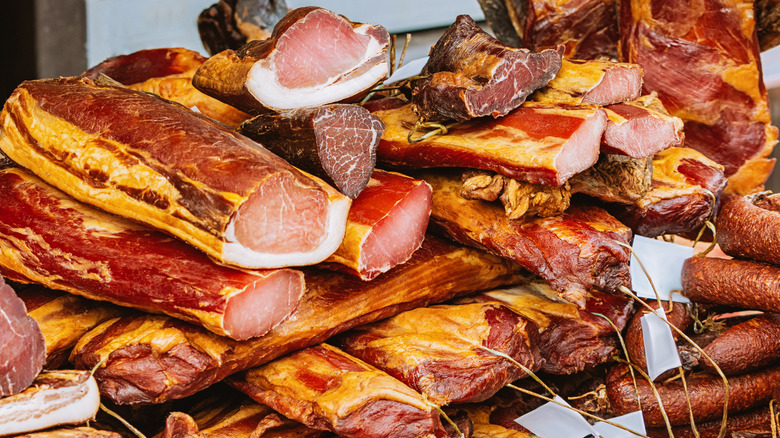
Sure, fresh deli meats are among the least processed meats you'll come across. But buying a hunk of ham only for it to go bad before you've really started to enjoy it is pretty frustrating. That's where cured meats come in. Dry-cured meats like air-dried pepperoni, whole prosciutto, and Genoa, have undergone months of salting, drying, and sometimes fermentation. Together, those preservation hurdles strip away so much available moisture that bacteria have little chance of gaining a foothold. This means these meats are shelf stable and can last months in the pantry while unopened.
But not every cured meat is a dry-cured meat. Deli favorites like honey ham, corned beef, pastrami, and bologna are cured too, but they're also meant to stay juicy and tender. Manufacturers deliberately don't dry them to the same extent, so they retain enough available moisture for spoilage bacteria to keep multiplying. This means they still need constant refrigeration and won't outlive other deli meats by more than a couple of days.
That's not to say dry-cured meats can last forever. Their shelf stability only lasts while they're whole and unopened. Once sliced, they lose much of that protection. Exposure to air kick-starts oxidation and surface drying, while the freshly exposed surfaces create new opportunities for contamination.
7. Automatically reaching for prepackaged meat

Buying prepackaged deli meat at the supermarket sure is convenient. A pack of sliced salami can last up to two weeks in the fridge unopened and about a week once opened, giving it a bit more staying power than freshly sliced deli salami. But sometimes you really have to forgo the convenience in favor of the real thing.
Now, it's a bit of a calculated gamble. Factory-sealed deli meat generally carries a lower risk of Listeria contamination than meat sliced at the deli counter. But if you've found a deli you trust, then definitely go the freshly-sliced route.
For starters, it often comes with a much shorter ingredients list. Many prepackaged deli meats are loaded with additives, binders, fillers, phosphates, and flavor enhancers designed to improve shelf life, texture, and consistency. That's not to say freshly sliced deli meat is completely additive-free; cured varieties still rely on preservatives like nitrite. But compared with many prepackaged options, the ingredient list is often refreshingly shorter and easier to pronounce. That can be a win for your long-term health, while the lack of binders and fillers also means you're generally getting more actual meat — and therefore more protein — per ounce.
Then there's the waste factor. Prepackaged lunch meat comes in predetermined quantities, which makes it pretty amenable to waste. The deli counter, on the other hand, lets you buy exactly what you're after, so there's a much slimmer chance of half your order ending up in the trash.
8. Pairing deli meats with the wrong condiments or bread
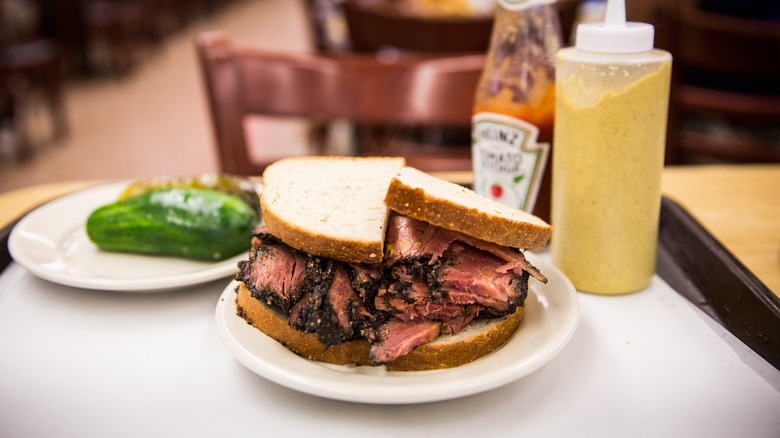
There's a reason deli sandwiches almost always taste better than the ones you throw together at home. It all comes down to about matchmaking. The first step to making your own deli-style sandwich is picking out the right bread. For most folks, the obvious choice is plain sandwich bread. That might fly with milder deli meats like bologna or oven-roasted turkey, but it completely falls flat with deeply cured, heavily marbled cuts like pastrami or corned beef. Those call for something bolder and sturdier, like rye, whose pleasantly sour, earthy notes can hold up against the meat's rich, smoky savoriness. Just as importantly, rye is sturdy enough to stand up to all those meat juices, so you don't have to bend over backwards to prevent your sandwiches from turning into a soggy, torn mess.
That doesn't mean rye plays nicely with every cured meat, though. It can easily overpower delicately savory cuts like prosciutto. For those, rustic but more restrained breads like ciabatta, focaccia, or even a crusty baguette are the better choice, adding texture without burying the meat.
Bread aside, the condiments you choose can also make or break your sandwich. Rich, peppery cuts like pastrami don't play well with heavy, fatty condiments like mayo. With these, you need something with a little bite, like a spicy mustard. It'll cut through the richness of the meat nicely, complimenting it rather than burying it in cream.
9. Buying the wrong thickness
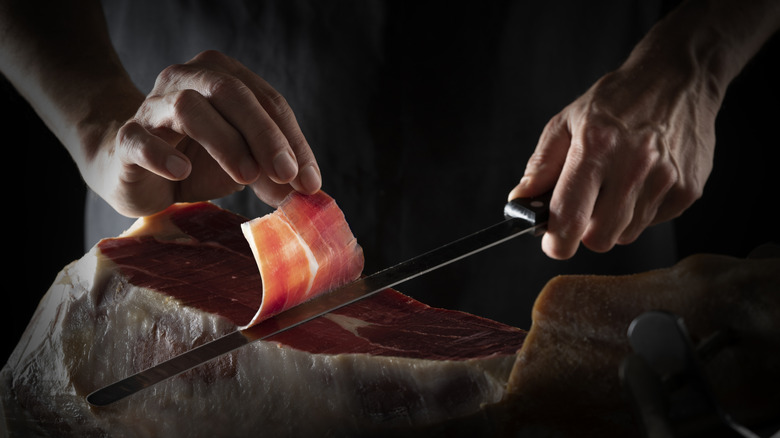
Beyond the lower burden of additives, one of the many perks of buying your deli meat fresh from the counter is that you get to customize the slice thickness to your liking. How thick or thin you order your deli meat should be guided by its intended use. If you're assembling your own charcuterie board, for instance, you'll want your prosciutto or hard salami sliced paper thin. At that thickness, the meat will practically melt in your mouth, keeping the eating experience light and breezy.
Otherwise, it might overwhelm your palate with saltiness or challenge your jaw with chewiness. If you're fond of tossing deli meat into soup, however, thin slices will all but disappear into the dish. A thicker cut, by contrast, gives the meat enough substance to stand out, delivering a heartier, more satisfying bite.
And let's not forget: Slice thickness plays a huge role in how well your sandwich holds up. A thick cut, while great for chopping into a salad, can be a complete disaster in a layered sandwich. For those, you want your meat sliced thin enough to bite through comfortably, but not so thin that it disappears into the bread or so thick that the slices slip out the moment you bite into your sandwich.
10. Always selecting the cheapest option

There's a whole universe of cured meats out there just sitting on the deli counter, waiting for you. So spend a little extra and broaden your horizons. Instead of the usual bologna or salami sandwich, switch things up with some prosciutto or bresaola. Deli meats at the top of the pyramid are often preserved using traditional techniques like salting, drying, and aging. They're also seasoned a lot more thoughtfully, giving them concentrated flavors and textures that you simply won't get from everyday luncheon meats.
And if a little experimentation isn't your wheelhouse, then at least don't automatically reach for the cheapest package at the supermarket. Bargain-bin prepackaged lunch meat often isn't carved from a whole roast at all. Cheap deli-style turkey breast for instance, can be made from smaller pieces of meat that are bound together and pressed into uniform loaves before being sliced.
And maybe you don't have a problem with your lunch meat consisting of dribs and drabs of meat. The thing is, though, cheap lunch meat doesn't always contain as much actual meat as you might expect. By the time it's formulated and vacuum-sealed, some inexpensive luncheon meats can contain as little as 30% actual meat; the rest being mostly water, along with fat, additives, fillers, and binders. If you want more actual meat in the mix, either spend a little extra to have it freshly sliced at the deli counter or spring for a premium brand that uses whole-muscle cuts.
11. Treating every deli meat as sandwich filling
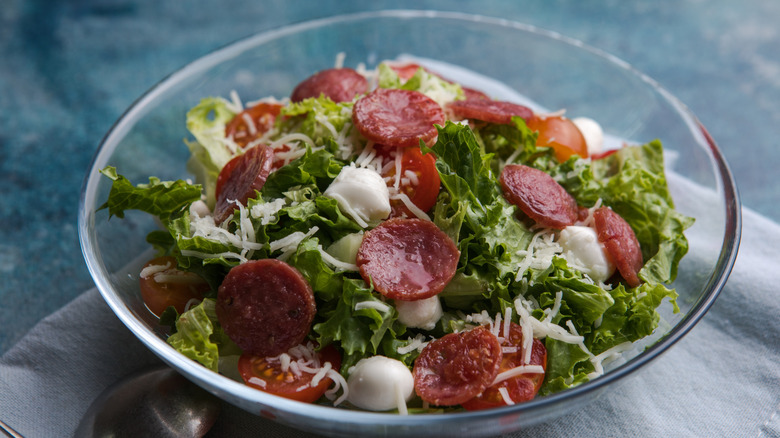
A deli-style sandwich is pretty comforting, so much so that it's probably the first thing that comes to mind when deli meat is mentioned. But deli meats don't exist solely to be folded into a sandwich. The most obvious non-sandwich use is a charcuterie board. But even here, a little creativity with your lunch meats can go a long way. Instead of the usual prosciutto and bresaola, switch things up a bit. Take the flavor up a notch with some garlic-heavy chorizo. Play around with texture, too. Pair textured cured meats like bresaola with something soft and supple, like fennel salami.
The next most straightforward alternative home for your deli meats is salads. In place of bacon bits, jazz up your salad with some fried pancetta or prosciutto cut into paper-thin strips. Another tried-and-true haven is pasta. Some diced salami or ham can provide an amazing flavor boost while giving your palate something interesting to focus on besides the pasta.
Put your leftovers to work, too. Chop up those last slices of salami and toss them into your morning eggs for a heartier bite. And if you really must eat your deli meats alongside something dough-based, switch it up there, too. Tuck your roast beef inside a homemade quesadilla alongside a hearty amount of cheese. Or, better yet, mix up leftover salami, pepperoni, prosciutto, and bologna and use them as pizza toppings.