

What Whole Foods Does With Its Leftover Bakery Items
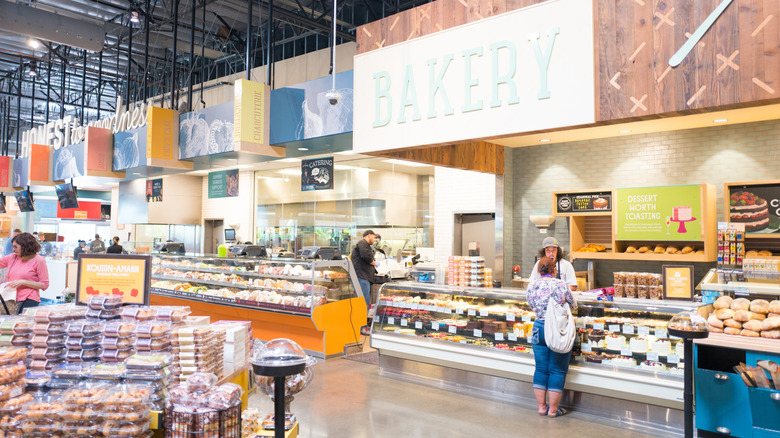
Grocery stores regularly have unsold food that's near its expiration date or won't be fresh enough to sell much longer. Instead of wasting it by throwing it out, many retailers donate some of their surplus or participate in programs that ensure it gets used — with Whole Foods among them. But the expensive grocery chain also sells leftover bakery items through a free app that lets people buy surplus products sight unseen at a steep discount.
The platform comes from a company called Too Good To Go. Stores using it fill "surprise" bags with leftover items in different categories. Shoppers select and buy them through the app, discovering the exact contents for the first time upon pickup. The bags usually cost around one-third of what the products would normally cost.
Whole Foods teamed up with Too Good To Go for some of its stores in 2024. It initially offered bakery bags with items like breads, muffins, cookies, pastries, and other desserts — an exciting deal, considering the retailer makes some of the best grocery chain baked goods out there. It also launched another bag for prepared dishes. A year later, it expanded the program to all its U.S. stores and added seven more categories: produce, meat, seafood, refrigerated items, frozen items, dry goods, and floral bouquets. The seafood, meat, and prepared dishes bags cost $9.99, compared to a $30 value. The bouquets cost $7.99 for a $24 value, and all the others cost $6.99, compared to a $21 value.
Too Good To Go grew into a global phenomenon
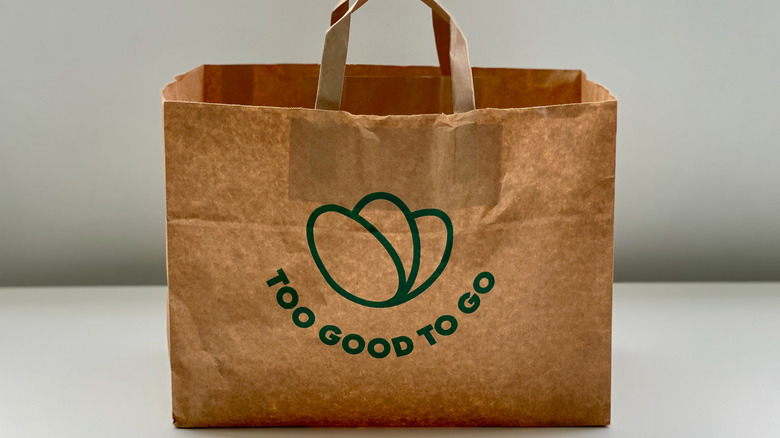
Word of Whole Foods' surprise bags spread quickly online, making them tougher to buy as more people began using the app and quickly pouncing on them. However, notifications can be set up for when new bags are added for sale. Shoppers can also track how much money they're saving as they continue to use the app. It additionally shares how much carbon dioxide emissions and water use were avoided through their purchases.
After being founded in Denmark in 2016, Too Good To Go has expanded to over 60 U.S. cities and 21 countries, including locations across Europe, as well as Canada, Australia, and Japan. It has some 120 million users globally and 180,000 participating businesses. Restaurants, cafes, and bakeries participate alongside grocery stores, including big names like Krispy Kreme, Ikea, Cava, and Peet's Coffee. Users can also order larger packages called Parcels with excess food items from manufacturers and wholesalers that are delivered to their homes.
Too Good To Go pitches the app to stores as an additional benefit because it can attract new customers who are dedicated to sustainable practices and enjoy getting a bargain. That could, in turn, encourage them to buy more in the store and help make them loyal shoppers.