

This Vegetable Was The Centerpiece Of Victorian-Era Dinner Tables
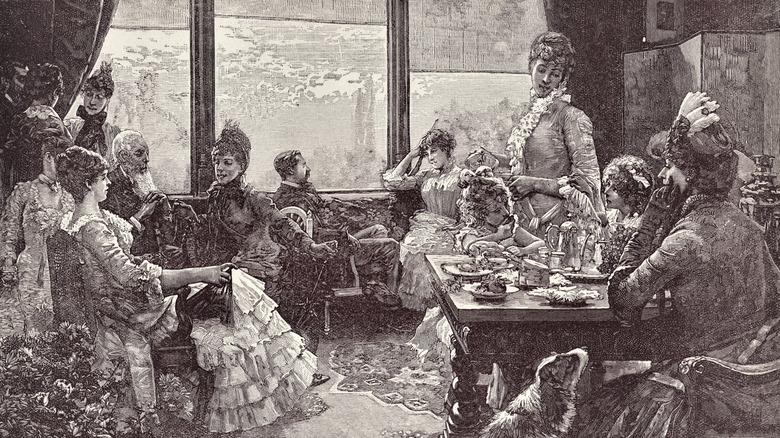
Today, celery is hardly ever at the center stage of any meal: It's usually abandoned on a crudité platter among other cuts of raw veggies, topped with peanut butter and raisins, or sadly chopped and dropped into a soup. But for the Victorians, it wasn't the consolation veggie strewn on a plate after everything else has been eaten. Rather, it enjoyed a considerably grander position within the food hierarchy, as it was an expensive status symbol displayed prominently on dinner tables in celery vases, both in the USA and the U.K.
In the 19th century, celery was far from just a garnish. It would sometimes be eaten raw, as a relish, served alongside richer courses, covered in sauce, braised, or used in soups. Its glamorous reputation was largely rooted in its cultivation: As the plant was difficult to grow in cooler climes such as those of the British Isles, it generally sprang up in the Mediterranean. Even U.S. farmers tended only to make limited quantities of it at first, especially in specific areas like Michigan. Indeed, scarcity, the labor intensity of cultivation, and the challenges in keeping the vegetable fresh all made it nothing short of a status symbol.
As the 19th century progressed, new varieties of celery, better transportation, and enhancements in agricultural methods made celery increasingly available and accessible to families, who increasingly adopted it as a marker of refinement. As with most food trends in what is ultimately a fickle industry, celery's popularity eventually wilted, especially as its increasing proliferation meant it lost its aura of prestige. It would later re-emerge in the 1950s through one old-school appetizer, but celery wasn't just the star of Victorians' discerning palates — it also left a mark on the era's interior design.
Celery vases turned the vegetable into an art form — and status symbol
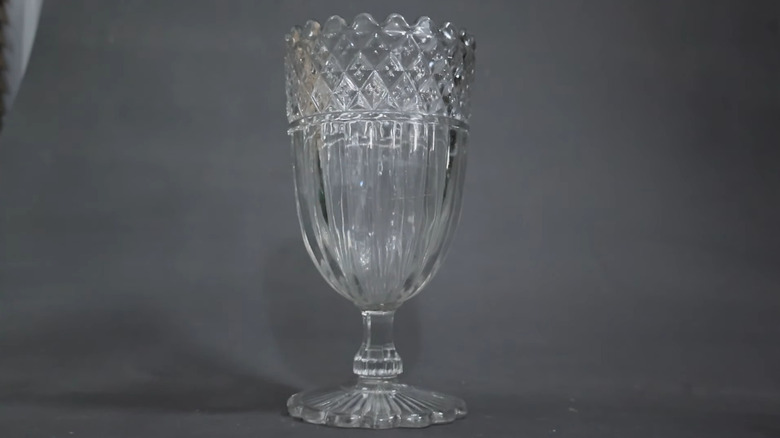
The Victorians honored celery with its very own special place on the table. Indeed, it was often arranged upright into a floral bouquet of sorts, propped into a vase made specifically for the vegetable. These vases were usually made from decorative pieces, such as pressed or cut glass. Some cold water at the bottom would then help keep the stalks firm and crisp as the leafy tops would fan above the rim. The nature of these vases also depended on the socio-economic status of specific households: The wealthier typically showcased more elaborate versions, while middle-class families also managed to hop on the bandwagon following the development of less expensive pressed glass.
The Victorians were known for their methodical devotion to table manners, and so there was also an etiquette to how celery would be served. Celery hearts could be washed, chilled in ice water, and then placed upright in the base with cold water below or cracked ice. This turned celery into a bona fide domestic art form: The glass presented the stalks as one might present a beautiful bouquet of flowers. After this, diners could remove pieces during a meal, when celery often functioned as a palate cleanser or crisp relish. While this presentation might seem overly fussy to modern diners, a less ceremonial form that takes cues from the Victorian manner can involve our specific way to clean the vegetable to rid it of its strings — and make it a more enjoyable dinner experience. Indeed, while celery fell out of favor — and horizontal celery dishes gradually replaced the Victorians' vases — one habit from the 19th century remains useful: Keeping the stalks in water, which can rescue any limp celery.