

Think Twice Before Cleaning Your Kitchen With A Swiffer If You Have Floors Like This
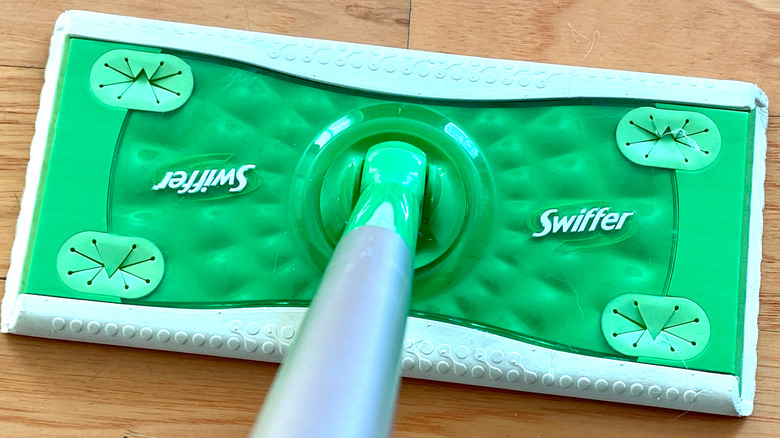
Housework is one of those necessary things that many of us would rather not do, so anything that makes it quicker and easier is welcome. That's particularly true for chores you have to do more often, like cleaning the floors in your kitchen, where you cook and prep food every day. Using a Swiffer with its disposable pads streamlines the process without having to deal with a separate dustpan or buckets of water, and it can get behind and under larger appliances without having to move them. But they may not be the right choice for all types of kitchen floors.
Swiffers can replace brooms or mops depending on which type you use. The Swiffer Sweeper, for instance, does both. It comes with dry, ridged pads that you attach to the end of the long, broom-like pole that dirt, dust, and hair cling to as you use it. Wet pads are also included that loosen up and absorb things like sticky stains. The battery-operated WetJet and PowerMops — one for wood and another that's multi-surface — spray a cleaning solution in front as you move them around. The latter two have more cleaning power than the WetJet because their pads have hundreds of strips to do the work instead of a flat bottom.
Dry swiffering your kitchen is generally safe for all floors, although the bottom can get caught on unfinished wood. But you have to be more careful with the wet systems and steer clear of them on some flooring types.
Natural stone may lose its luster

Flooring made of natural stone like granite, marble, and limestone is porous and more vulnerable to damage than you might think. The cleaning solution used in Swiffer's WetJet, PowerMops, and wet pads is strongly alkaline with a high pH, and that can etch the surface, wearing it down and causing stains, or reduce its shine.
Swiffering can make dirty unsealed tile and grout worse
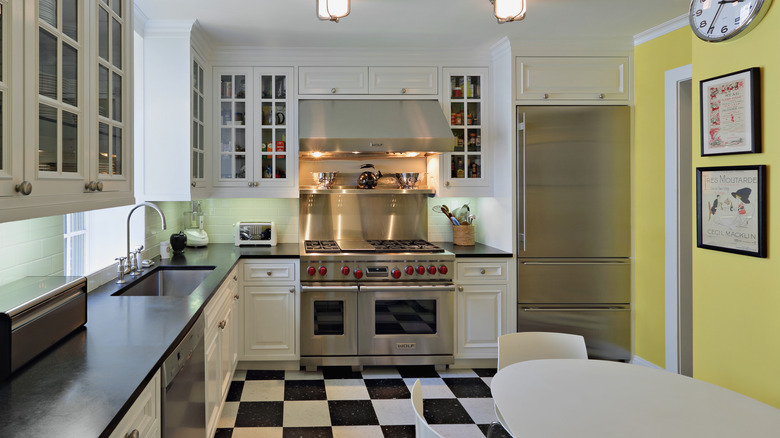
Unsealed tile and grout pull in dirt and liquid, and not only do Swiffer products not work well there, but dirt loosened by the sprayed cleaner can soak in. Too much wetness can also erode and mark the surface. Even sealed grout isn't fully non-absorbent, which is why it's a mistake to use a light color for the kitchen floor.
The cleaning liquid is harmful to unfinished, oiled, or waxed wood

Although Swiffer has a special PowerMop for wood floors, it says itself that it shouldn't be used if they're unfinished, oiled, or waxed because the moisture can be damaging. The wet cleaners' liquid solution can also leave a stickiness behind and remove the oiled or waxed coating.
Moisture is the enemy of laminate flooring
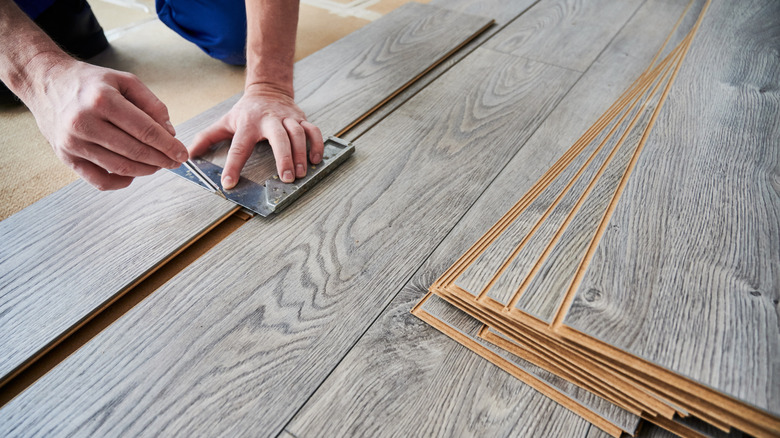
Moisture can get into the seams between laminate flooring and cause it to swell up at the edges, and eventually do more damage. Even just spraying a little of the Swiffer's cleaning solution so the pad is only damp and drying any left can still harm the laminate because of its high pH.
Concrete's polished modern look may be dulled
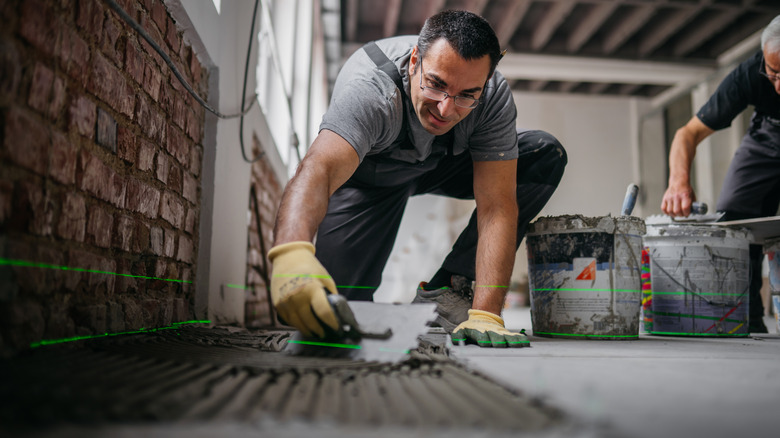
Concrete floors that fit into a modern-looking kitchen have their pros and cons, but Swiffer mops or wet pads can't be used on them. The high-alkaline cleaning liquid can harm and dull the surface of polished or sealed concrete, which requires a neutral pH, and when unfinished, it's prone to stains and absorbing moisture.
Cork flooring can swell and erode
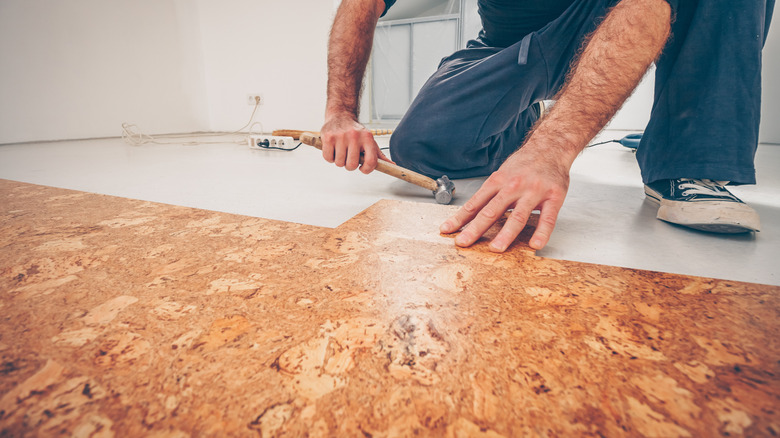
Cork is naturally partially water-resistant, but if it's not sealed, it can still take in moisture from wet cleaning with a Swiffer, causing it to swell or get blemished. Even when it is treated, the liquid's high pH can again wear away the protective surface, and some of it could still be absorbed.