

What Was The Retro Meal Deal At Old Saloons?
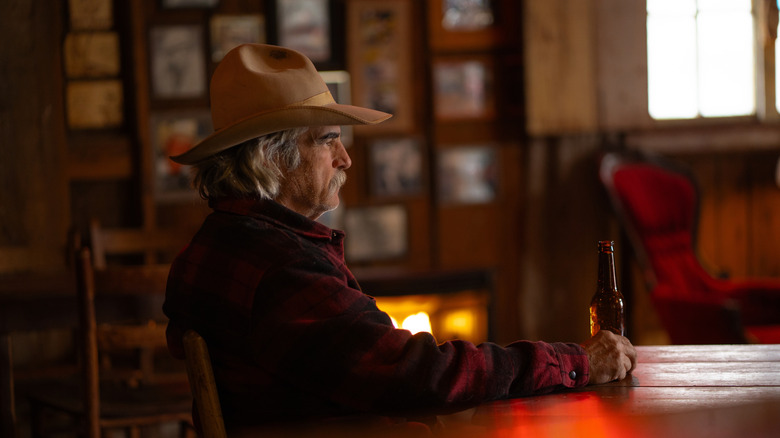
The food scene in the United States was like a different world in the 19th century, with meals like lobster Newberg gracing menus, and eating and drinking establishments commonly confined to mostly men-only spaces. These boys' clubs were more commonly known as saloons, and they were much like modern-day bars. After (or before, or even during) a hard day's work, men could take a load off, enjoy a pint, and catch up on the latest news. Naturally, proprietors of these fine establishments wanted to keep their doors open, so somewhere along the line in the 1800s, they invented a pretty nifty retro meal deal: Buy a pint, get a free lunch.
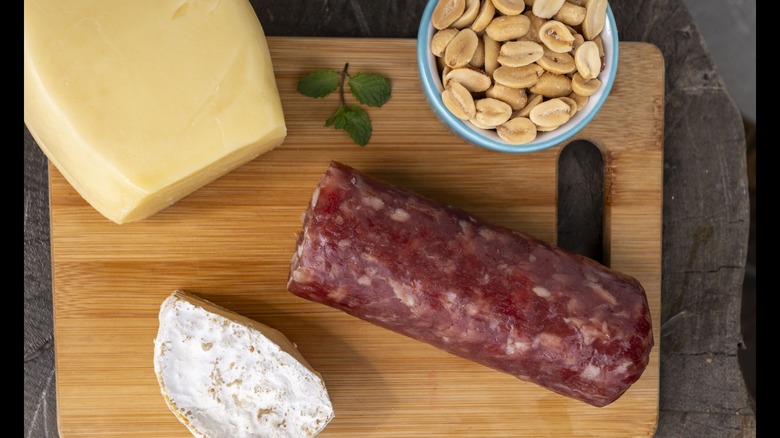
These value meals were designed to keep butts in seats for as long as possible, and they tended to include plenty of salty items to increase workers' thirst and ensure that they would continue to buy drinks. The fare was often served buffet-style, so the men could build their own plates, and the spreads varied from saloon to saloon. A simpler menu might include what we'd think of today as a cheese plate, while some cities really leaned into hospitality with expansive offerings, including hearty sandwiches (and all the fixings), sausages, soups, and salads. Other popular dishes on offer included shellfish, such as oysters and clams, and eggs.
What happened to free saloon lunches?
The saying goes, all good things must end, and you might have noticed that, for the most part, bars don't offer buffet lunches for free with a drink any longer (though restaurants do give out free bread with the idea that they'll make it up in meal purchases). Well, the saloon proprietors got on a few groups' bad sides: namely, restaurateurs and temperance advocates. Restaurant owners didn't like the bars' free lunches because they took business away from them; there was no way they could compete with all that food for the mere price of a pint. Meanwhile, those in favor of temperance abhorred how saloons could keep men fixed in place for hours, to the neglect of their families waiting for them at home.
Further, public health departments were roped into the melee, with reports that the men taking food from the buffets were doing so in an unsanitary manner (reminiscent of Victorian England's penny licks), biting utensils that were supposed to be used to spear food onto the plate. All of this was enough that, by the 1910s, public favor had strongly shifted away from the saloon owners — if they'd ever had it to begin with — and the food rationing of World War I further sealed the free lunch's demise. Then, when the temperance advocates won and Prohibition started in 1920, the beleaguered owners of these drinking establishments had bigger concerns on their hands and, for all intents and purposes, abandoned the free lunch meal deal.