

The Maddening Flaw Cheap BBQ Smokers Tend To Have
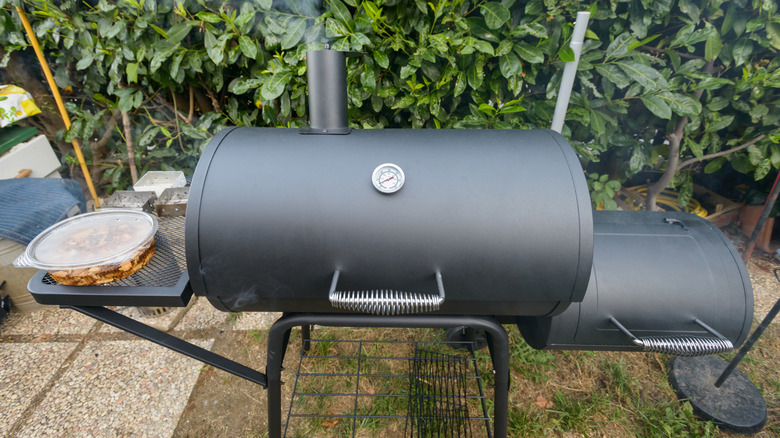
There are a lot of ways a cheap barbecue smoker can sabotage your slow cook. Poor seals let smoke and moisture escape, inadequate cooking space limits what you can make, and some models have parts so shoddily made that they need to be replaced almost annually. But no problem is worse than a smoker that can't maintain its temperature.
The worst cheap smokers use low-quality materials that don't retain heat well, even if their heating elements work perfectly fine. In the winter, they let in too much cold air, making it difficult to reach the right temperature. In the summer, especially if you leave the smoker out in the sun, the internal temperature can easily climb by 20 degrees Fahrenheit, which adds up over the course of a long cook. Even worse, some electric models don't have reliable control systems, so they can't maintain the right temperature even in ideal conditions.
It doesn't matter how many tips for perfectly smoked meat you follow if your appliance can't maintain the right temperature. Smoking is really about two things: long exposure to smoke to build flavor and low, steady temperatures that draw flavor from bones, melt collagen, and render fat without drying out your meat. If temperatures fall too low, your meat can end up tough because the collagen won't fully break down into the rich gelatin that makes smoked meat so juicy. If temperatures climb too high, you can easily end up with a slab of jerky.
Great barbecue is highly achievable on a budget
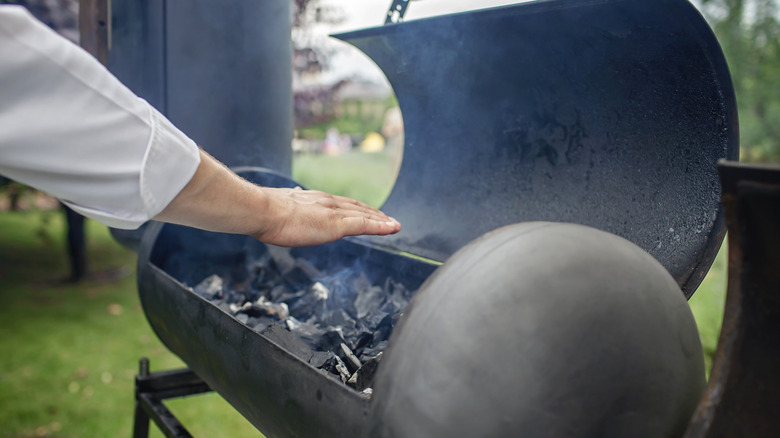
You don't have to spend a thousand dollars to get a good smoker. There are plenty of affordable, beginner-friendly smokers that can get the job done. The key is to remember that smoking is a fairly simple cooking style, so focus on finding a model with the right essentials rather than one with fancy-sounding bells and whistles.
Cheap electric smokers often produce heat based on the temperature you've set rather than the temperature inside the cooking chamber. This means that if you set it to 250 degrees Fahrenheit, but it's 30 degrees Fahrenheit outside, it may not be able to compensate for the cold seeping in. If you opt for an affordable model like this, look for one with double-wall insulation. This added thermal layer acts as a buffer, helping your smoker maintain proper heat without requiring you to constantly adjust the dial to compensate for the weather.
If you want a smoker that works in the old-school style of American barbecue, try to find one with a high-quality seal. That gasket strip lining the edge of your smoker's lid might be the most important part of your setup, but, fortunately, it's also one of the easiest to fix. Rather than invest in a brand-new, high-end smoker, purchase a roll of smoker gasket seal and apply it to the lid yourself. This gives the lid a much snugger fit, helping ensure that moisture, smoke, and heat stay inside until you open it.