

Beef Vs Veal: How The Meats Are Actually Different
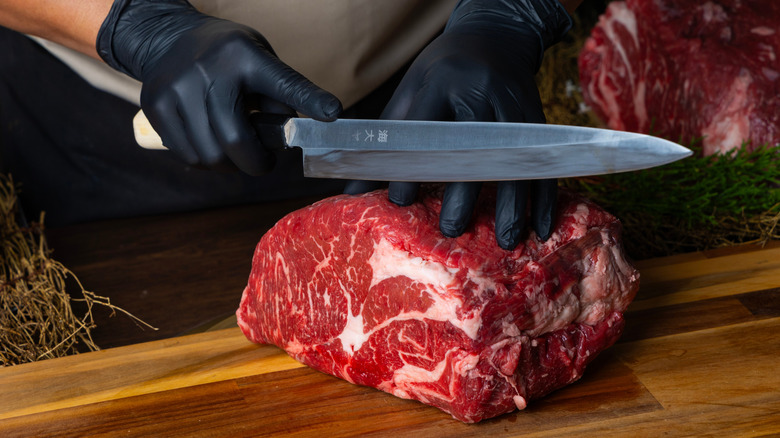
Understanding the difference between cuts is a must for any meat lover. Sure, most people know what sets beef ribs and pork ribs apart, but a lesser-known distinction is the difference between beef and veal. At first glance, they seem pretty similar, but once you begin to pick apart the nuances, the differences couldn't be clearer. From flavor and texture to ideal cooking methods, each meat brings something very different to the table.
Before diving into the differences, let's clear one thing up. Both beef and veal come from the same animal: cattle. Since they come from the same species, you'll find many corresponding cuts, from veal ribs and beef ribs to veal chops and beef steaks. The key difference comes down to age. Veal comes from young calves, while beef comes from older, mature cattle. At face value, this might sound like a small distinction, but it plays a major role in the final product, determining the meat's ultimate flavor, color, and texture. On top of that, beef and veal are often raised under different conditions, which further influences how the meat looks and tastes.
Another major factor to consider is popularity. In the United States, beef is unquestionably king. According to the USDA, beef ranks just behind chicken as one of the most widely consumed meats in the country. Veal, by comparison, occupies a much smaller corner of the market and is far less common on American dinner tables or restaurant menus. While the meat industry as a whole has long faced scrutiny, veal, in particular, has attracted significant criticism over the years, giving the premium meat a much more controversial reputation than beef.
Beef is far more diverse than veal
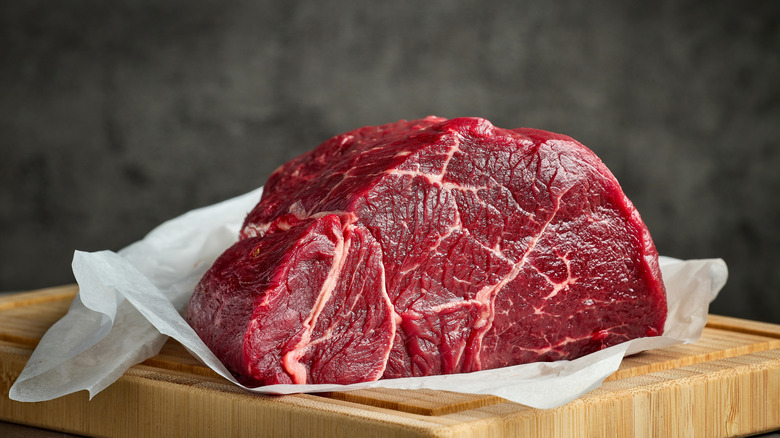
When we're talking about beef, we're referring to meat from mature cattle. While there's no strict legal age requirement for what qualifies as beef, the industry does have its own loosely defined "sweet spots." Many premium steak cuts come from cattle harvested around 24 to 30 months of age, which allows the meat time to develop the ideal balance of tenderness, flavor, and marbling. As cattle age, the muscle fibers naturally become tougher, which is why meat from older cows is more commonly used for ground beef or cuts destined for low-and-slow cooking methods like braising or stewing.
Another process commonly associated with beef, but rarely with veal, is aging. This involves storing beef under meticulously controlled temperature, humidity, and airflow conditions for days, sometimes weeks, to improve tenderness and deepen flavor. In particular, dry-aging is prized for creating rich, concentrated beefy notes. Since veal comes from much younger cattle, it's already naturally tender, generally making aging unnecessary.
Beef also offers much more variation from cut to cut. Because cattle have more time to develop muscle and fat, different cuts can deliver vastly different eating experiences. At one end of the spectrum, you've got lean cuts like filet mignon. On the other, heavily marbled cuts like ribeye are known for their rich, juicy bite. Veal, by comparison, is much leaner overall. This makes an important difference in how different beef cuts cook. When searing or grilling a well-marbled cut, the intramuscular fat melts, adding richness and moisture, which makes it far more forgiving to heat while delivering intense flavor. Highly marbled beef is therefore exceptionally prized, with premium examples like wagyu commanding eye-watering prices. But to develop that level of marbling, you're going to need time.
Veal is much more controversial than beef
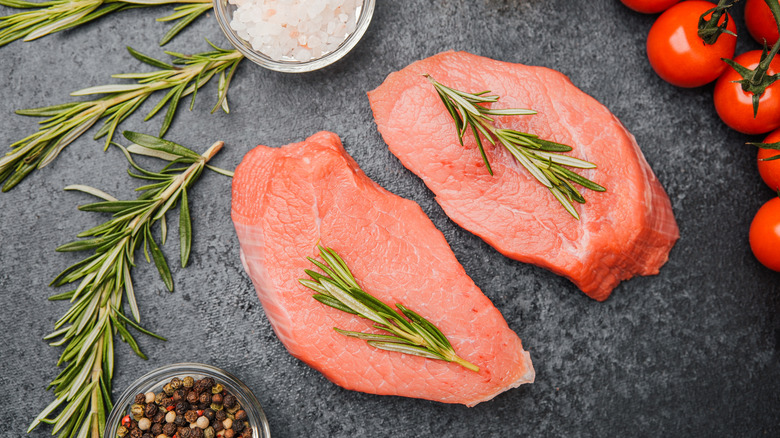
In contrast to beef, veal is the meat of young cattle, known as calves. In the United States, there is no maximum legal age limit that mandates when a calf must be slaughtered to be called veal. In the U.K., however, the rules are more clearly defined. By law, veal must come from calves that are slaughtered at 8 months of age or younger. It would be uncharacteristic for any veal cut in the U.S. to significantly exceed that threshold, as once a calf reaches a year of age, it goes on to become classified as a bovine.
Because of the calves' young age, veal has a noticeably paler color than beef, often appearing light pink rather than deep red. Much of the veal produced comes from male dairy calves, which cannot produce milk and are therefore often raised for meat. To maintain veal's signature tenderness and delicate flavor, calves are typically fed a controlled diet of milk, sometimes supplemented with grain.
The production process of veal has long been controversial, primarily due to animal welfare concerns. One of the biggest debates surrounds the historical use of veal crates — small enclosures designed to restrict movement and limit muscle development to keep the meat especially tender. In the United States, while they're prohibited in a large number of states, the practice isn't illegal at the federal level. This is surprising, considering they're completely banned across the European Union, where veal is popular in classic dishes like wiener schnitzel and saltimbocca. During the 1980s, these crates garnered significant negative press in the U.S., and the meat remains somewhat taboo to this day.