

What's The Best-Selling Vegetable In The US In 2026?
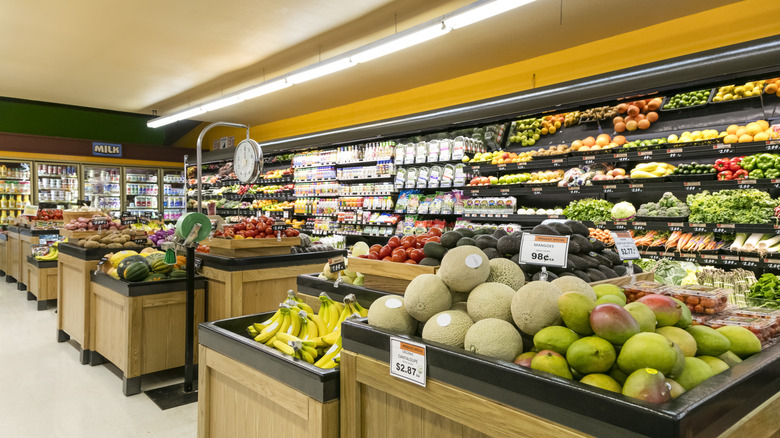
At the end of 2025, some predicted that cabbage would be the vegetable of the year in 2026 while others claimed it could be broccolini. However, neither has risen to the top spot that's been dominated for at least a decade by one vegetable: the humble potato.
Potatoes come in a wide range of varieties, making them versatile enough to fit into an array of dishes from cold salads and sides to soups. Plus, once cooked, they also freeze well, making them an easy option for making ahead. When you pair that with the fact that potato chips rank towards the top of the list of favorite snacks in the country, it's not hard to believe that most Americans make spuds a part of their meals at least once per week and, on average, put away about 110 pounds of the popular root vegetable each year.
Potatoes have a storied history around the world, possibly dating as far back as 10,000 years ago, but they made their way to colonial America in the 17th century. However, It wasn't until about a century later that there would be a rise in interest in the tuber, thanks to Thomas Jefferson having them served in the form of french fries at the White House. Since then, spuds have spread to every state in the country and have even made records, most notably becoming the first vegetable to be grown in space.
Choosing and storing potatoes
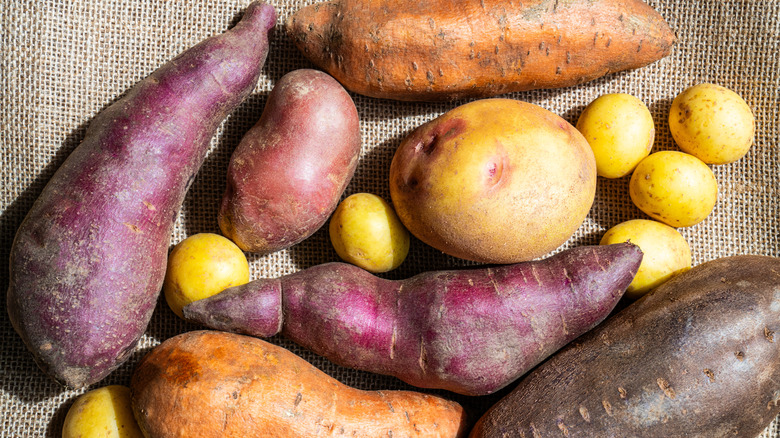
When you're picking out potatoes, the first decisions happen before you even enter the grocery store. Not all spuds are created equal — varieties that work beautifully in a potato salad are not the best choice for roasting. Among the most common, you'll want to reach for russets or red potatoes for baking, mashing, or frying. White potatoes will also work for a mash, especially if you're not interested in fussing with removing the skin, and they're good for frying, too. For creamy salads, try fingerlings or white or red potatoes, which will maintain a slight firmness rather than breaking down like other varieties might.
Then, once you're in the produce aisle, keep your eye out for the freshest potatoes. Potatoes that have a green undertone should be avoided — exposure to light causes a toxin to form that changes the shade and produces bitterness. You won't get ill — but it won't taste good. Otherwise, no matter the variety of potato, you'll want to look for a lack of bruises or dents and spuds that are not soft.
If you're not using your potatoes immediately, store them whole and unwashed in a cool (45 to 50 degrees Fahrenheit), low-humidity space in your kitchen or pantry that has limited light. There, they'll last for up to three months. If you're looking to get a little ahead on your prep for the next day's meals, you can slice or dice them the day before. Just be sure to completely submerge the pieces in water mixed with a splash of vinegar to keep them from darkening overnight. And above all, keep those spuds in the fridge, not the counter, once cut.