

How To Tell When Your Blender Is Nearing The End Of Its Lifespan
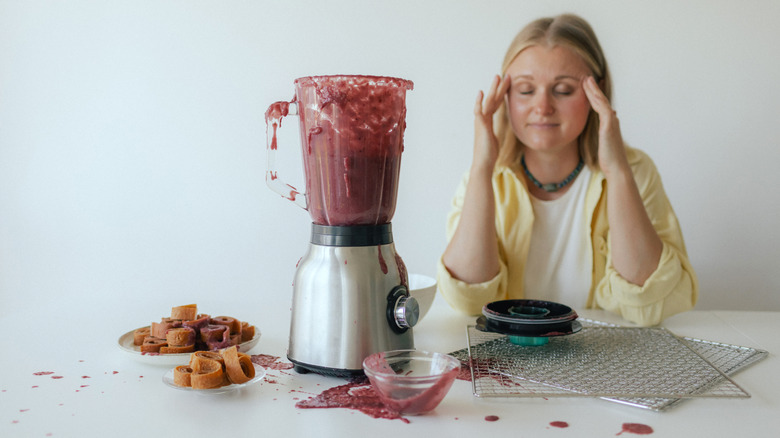
The first electric blender was patented in 1922. Over a century later, countless designs promise to outperform their forebears, but even the most expensive models eventually need replacing. Generally, it is recommended to replace a blender every five years — but how do you know if yours is nearing the end of its lifespan?
Leaking is a common indicator. Sometimes you just need to tighten the jar, but many times, it's cracked. Besides making a mess, a leaky blender is dangerous, especially if liquid contacts a power source. It can be even more perilous if the cord is frayed, which is common after years of use.
A clear sign that you need to replace the whole blender is a motor problem. Sometimes your blender will make strange noises, or stop halfway through making your strawberry basil smoothie. If you see smoke or smell burning, it's time to put your blender out to pasture. Other times, it may take longer to blend a simple mixture — like a watermelon and tomato gazpacho — although this can also indicate dull or damaged blades. Check them for rust or deterioration.
While leaks and a broken cord are common signs that your blender isn't working correctly, they're also the easiest — and oftentimes cheapest — problems to fix. Accidents happen, and jars inevitably crack. The leak may also be caused by a warped or corroded rubber seal. Avoid the dishwasher if your blender has a plastic jar, as high temperatures can damage the plastic. This even applies to expensive models, like the Vitamix, which comes with a self-cleaning function. If you have a damaged jar or seal, you can usually buy a replacement directly from the manufacturer or a third party. As for frayed cords, you can temporarily fix the problem with electrical tape.
How to protect and extend your blender's lifespan
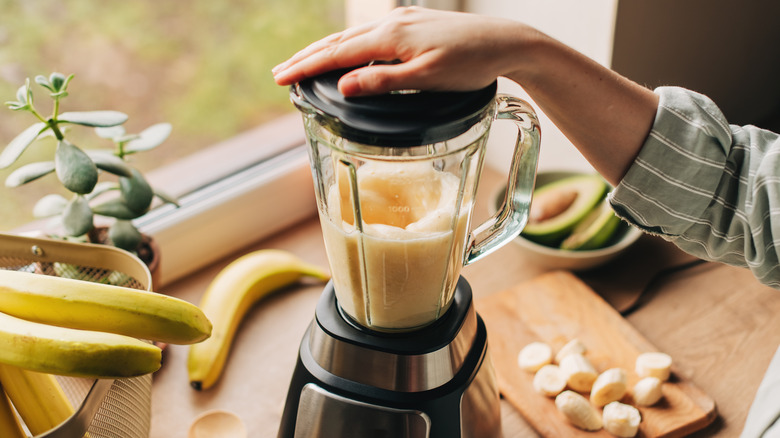
There are things you can do to extend your blender's life, or at least avoid its untimely death. First of all, always keep it clean and properly stored. Avoid putting any non-food item in the blender while it's running. You may think you're helping it along, but if that metal spoon comes into contact with the blades, it might be the end. Furthermore, if you're repeatedly blending ice and other frozen foods, your blender may not last as long. Make sure to use the appropriate setting for harder foods.
Lastly, make sure you choose the right model, which is also an important rule to follow if you're replacing your dead blender. If you use your blender several times a day or are planning on milling flour, you may want to opt for a more powerful model. If you're concerned about the jar cracking or breaking, opt for a model with a metal jar. The most vital tip before you go out and spend money on any new kitchen appliance, though, is to check the product's warranty. You may be able to get a free replacement part or a whole new machine.