

Riesling Vs Sauvignon Blanc: What's The Difference Between These Wines?
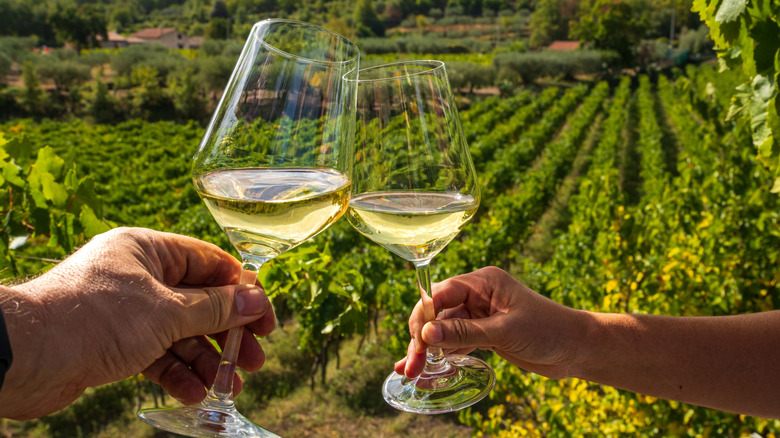
To those unfamiliar, the world of wine can be a daunting space. Whether you're trying to impress a date by being able to decipher a restaurant's wine list or are simply looking for something to pair with dinner, knowing the differences between grapes is essential. Grapes are the foundational blueprint of a wine's final flavor, and their unique balance of sugars, acids, and tannins ultimately shapes the drink. There are many types of grapes you should get acquainted with, and few are more beginner-friendly than riesling or sauvignon blanc.
At face value, these two popular wines seem remarkably similar. For starters, they're both white wines, meaning they're typically fermented without prolonged contact with grape skins, which sets them apart from red wines. That shared winemaking approach also gives both varieties a bright, refreshing character. Each produces a crisp, high-acidity wine dominated by aromatic fruit flavors, with common tasting notes such as citrus, green apple, and mineral undertones. Those qualities make them especially popular during the warmer months and exceptionally easy to pair with food, which explains why you'll find both on restaurant wine lists and in bottle shops around the world.
But that's where the similarities end. Once you dig a little deeper, you'll understand why riesling and sauvignon blanc each sit in a league of their own. The most obvious difference is that they hail from different homelands, where soil and climate (aka terroir) greatly influence their final flavors. Then there's the range of sweetness each grape displays, and, of course, food pairings. Any seasoned sommelier would tell you that you'd be mistaken to choose a sauvignon blanc over riesling to pair with a spicy Asian meal.
Riesling is arguably Germany's most famous grape
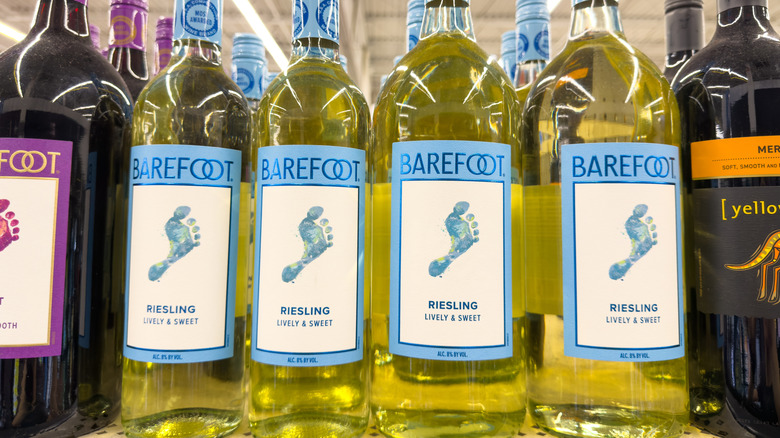
When people think of wine-producing countries, the usual suspects are the sun-soaked vineyards of Italy, France, and Spain. Sure, those three nations dominate global production, but Germany often gets overlooked. The central European nation consistently ranks among the world's major wine producers, and if you ask a wine enthusiast which German grape best represents the nation's viticulture, there's a good chance they'll answer riesling.
Germany is the world's leading producer of riesling; according to Germany Rieslings, it accounts for roughly 40% of global plantings, and the grape has been cultivated there since at least the 15th century. Most of Germany's famous riesling vineyards are concentrated in the country's southwest, where steep hillsides, river valleys, and a cool climate create ideal conditions for the grape, allowing it to ripen slowly while preserving its bright acidity.
Riesling has a widespread reputation as a sweet white wine, but what sets it apart from its counterparts, especially sauvignon blanc, is its range. During winemaking, yeast consumes the sugars in the grapes to create alcohol. However, riesling winemakers commonly stop this process early. The grape is naturally highly acidic, so halting fermentation before the yeast consumes all the sugars perfectly balances its acidity with sweetness. It's also not uncommon, however, for winemakers to allow the grape to ferment completely, removing all residual sugar and producing a dry wine, many examples of which are held in exceptionally high regard. This spectrum makes it a legendary food partner, allowing a crisp, dry bottle to slice through the richness of duck or pork schnitzel, while sweeter versions effortlessly cool the heat of spicy Thai curries.
Sauvignon blanc is the perfect wine for summer
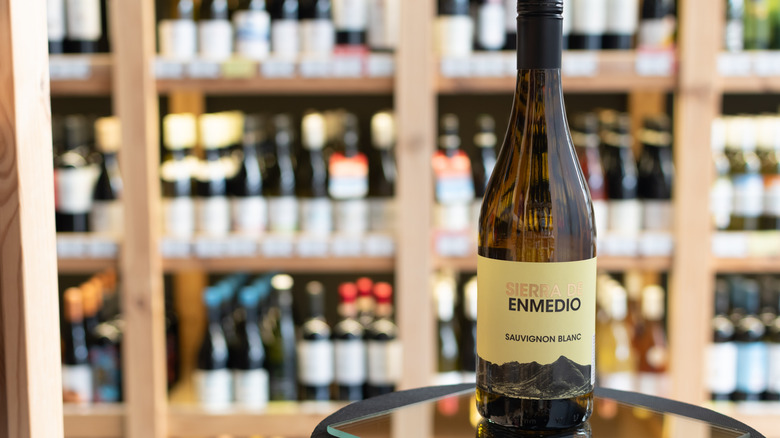
If there were ever a grape made especially for summer, sauvignon blanc would be a strong contender. Few grape varieties are as instantly recognizable, thanks to its crisp acidity and fruit-forward flavors. It's no surprise, then, that sauvignon blanc is also one of the most widely planted white wine grapes in the world, making it significantly more common than riesling on a global scale. Like many of the world's most popular wine grapes, sauvignon blanc traces its roots back to France — specifically the Bordeaux and Loire Valley regions. Yet, unlike those traditional varieties whose benchmark expressions remain tethered to their European origins, sauvignon blanc has found a second home.
New Zealand's Marlborough region has become synonymous with the grape, producing a style famous for its easy-drinking character and fruity aromas, and shifting the grape's narrative from the Old World to the New. In fact, according to New Zealand Wine, sauvignon blanc accounts for roughly 71% of the country's wine production, making it the undisputed star of the nation's wine industry. The style's popularity has made it remarkably accessible, and many New Zealand labels are budget-friendly options that are easy to find around the globe.
Unlike riesling, sauvignon blanc is usually fermented completely to preserve its dry, crisp character. This makes it an excellent match for tart, herbaceous dishes such as goat cheese, grilled seafood, and herb-forward sauces, as its bright acidity and citrus-driven flavors naturally complement those ingredients. It also makes an excellent cooking wine. Riesling, on the other hand, can shine alongside bolder foods. In sweeter styles, the wine's residual sugar helps tame heat and balance powerful, spicy flavors, which sauvignon blanc can sometimes struggle to match.