

What Walmart Does With Returned Kitchen Appliances
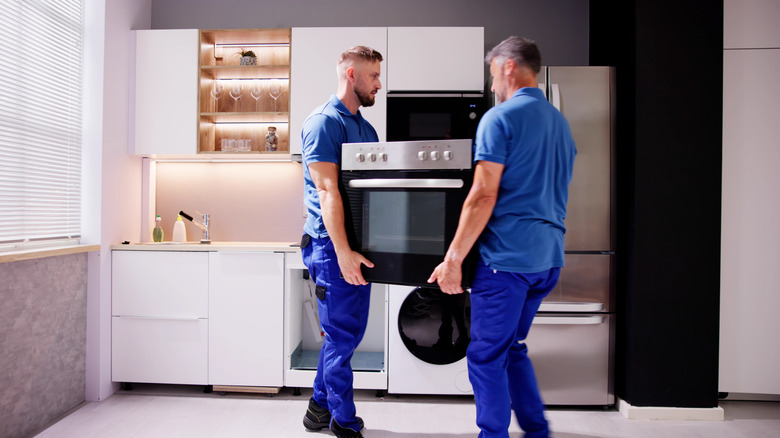
There are a lot of reasons you might return a kitchen appliance to Walmart. Perhaps you received it as a duplicate gift, or you bought it online only to find that its finish clashed with your cozy kitchen color scheme. Or maybe that "smart" kitchen gadget turned out to be a total dud, quitting on you just minutes after you plugged it in. The good news is that Walmart has a forgiving return policy, particularly for smaller kitchen appliances, though its large-appliance return policy is also quite reasonable; it will, for example, take back an unopened refrigerator within 30 days (but drops that window to just 48 hours if you have opened it). Wondering what happens to your opened-but-barely-used return once it's back in Walmart's possession? Some of those items actually end up being resold by the company or trusted third-party resellers.
As part of its aptly named Resold at Walmart program, your returned appliance might hit the market again under a new designation, either Restored or Pre-Owned. Both categories guarantee the item is fully functional, but they differ by who handles them and the warranty provided. Restored products are professionally inspected, tested, and cleaned by the manufacturer or top-tier suppliers. Pre-Owned items are sold directly by trusted marketplace sellers on more of an as-is basis, and might show a bit of wear and tear. To help shoppers understand what they are buying, both Restored and Pre-Owned items use explicit condition designations such as Premium, Like New, Good, or Fair.
From pallets to landfills, returned appliances follow complex paths
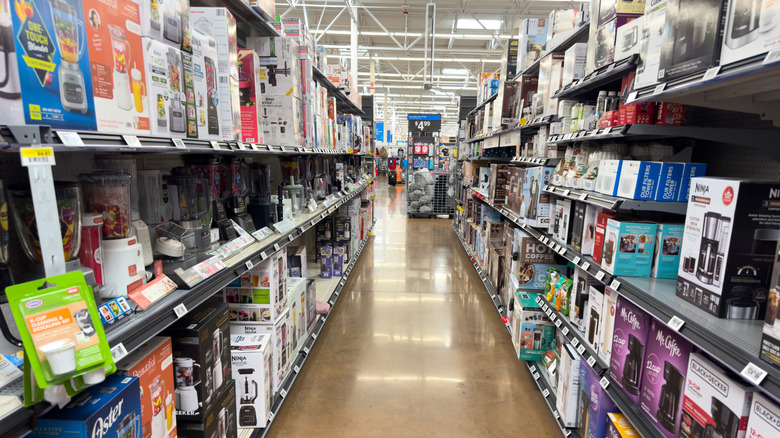
Of course, not every returned kitchen appliance ends up being resold by Walmart and its affiliates. Sometimes, special liquidation companies purchase returns and then turn around and sell them en masse, typically by pallet, to buyers who then sell them directly to customers. The appliances are usually sold to these buyers through a bidding process, and they're purchased as-is, so it's a gamble whether the products all work — and not all of them do. However, some of the people who buy these pallets can repair the nonworking items, making the investment worthwhile. They may then turn to online marketplaces such as Facebook Marketplace, eBay, or Craigslist to hawk their wares.
But what about the blenders and dishwashers that get returned to Walmart but don't end up on the reseller market? Some of those items may actually be donated to organizations like United Way, or they may be recycled, though that happens to relatively few of them. Meanwhile, the bulk of the appliances not headed for these brighter destinations may unfortunately be sent to landfills, where their potentially dangerous chemicals can leak into the soil and make their way into water sources. Worse still for the environment, they might instead be destroyed through incineration. For example, the environmental consequences can be severe if refrigerators aren't drained of the refrigerants that help keep the appliance at its ideal temperature.