

What Is A Farm Share And Is It Worth The Money?
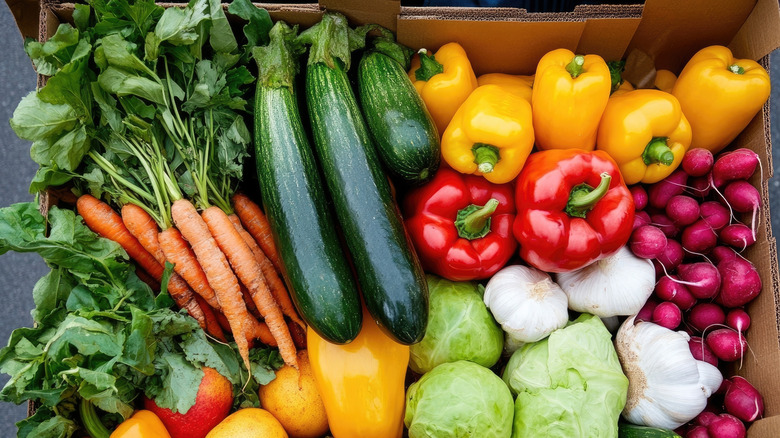
A farm share is a way for consumers to support local agriculture by purchasing products directly from local farmers. Also referred to as a CSA, an acronym for Community Supported Agriculture, the business model can take many forms, but most look like this: You pay a subscription fee to receive a box of produce from a particular farm or agricultural collective at regular intervals, usually weekly. Many farms allow customers to select how much produce they'd like to receive, some allow customers to choose how frequently they receive boxes, and a few may even allow the public to make one-time purchases. The cost of a subscription can vary significantly, but farm shares tend to be affordable only for affluent consumers, though some farms do accept SNAP benefits, and some states provide subsidies to make farm shares more accessible.
The common denominator traditionally has been that you don't know what you'll be getting until you receive your box, unless the farm has a website or sends email notifications informing you shortly beforehand — though some modern CSAs now allow subscribers to customize and swap out items online to reduce food waste. Many farms require customers to pick up their boxes in rural areas that can be far from where they actually live, although some now coordinate pickups at more urban locations or provide a delivery service for a fee. While you may think this is a more hassle-free alternative to visiting a weekly farmers market, participating in a farm share can prove otherwise. While I was attending college in Massachusetts, I lived with an affluent family that paid for a CSA subscription. Receiving a box each week gave me more anxiety than joy, and I didn't think it was worth the money.
CSA experiences vary regionally
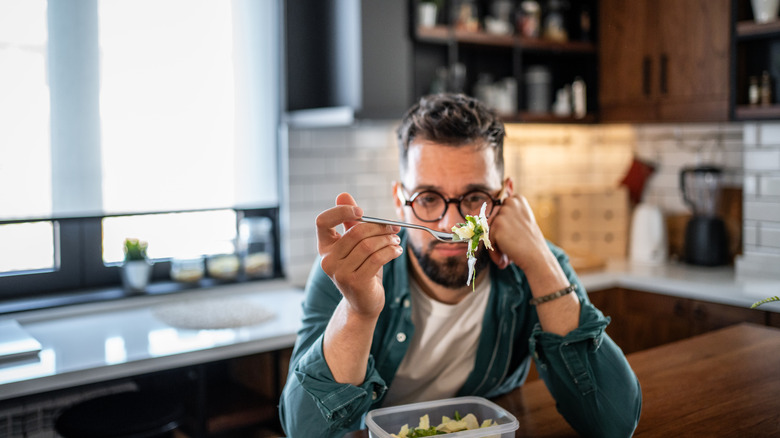
We didn't have many CSA options where I came from in South Florida, largely because the region's intense summer heat, sandy soil, and dominant sugar and winter-harvested produce monocultures differ so vastly from traditional small-scale northern farms. Some parts of the country may not have as robust an agricultural industry as others, and even when they do, many farms may be devoted primarily to monocultures. As such, farm shares are most attractive in parts of the country with climates and farm infrastructures that support diverse agriculture. You don't want to end up with a box of potatoes each week (although for the crispiest spuds, you should cook them like the Greeks do if that does happen to you).
By contrast, I noticed that New England had many small farms producing an impressive variety of fruits and vegetables, but the selection we received in our weekly boxes often didn't seem suited to the local demographic, which was mostly affluent and White. There were times when I truly felt we received scraps that were edible but not desirable for the community supporting the farm, especially considering the cost of a farm share subscription. We also tended to receive much more than we could consume, even when we selected the smallest box. The produce we received was organic, lacked chemical shelf-life extenders, and was ready to eat immediately. Because it retained its natural field heat and didn't go through a continuous cold chain, it spoiled at an alarmingly fast rate compared to what we bought at a store. As such, much of what we received each week became compost, which had its own dedicated trash can in the kitchen.
Different methods exist for supporting local agriculture
One of the benefits of participating in a CSA is that customers can help mitigate some of the financial uncertainties facing farmers, such as crop failures and fluctuating markets, by paying for goods in advance. While I didn't feel I was getting any value out of it, my hosts felt they were doing something altruistic. Considering how much of what we paid for ended up in the garbage, this made a farm share feel more like a charity than a business to me. There's nothing wrong with this if you know what you're getting into.
The biggest problem with subscribing to a farm share, for me, was that it felt as though we were giving someone else full control over what we ate. This lack of choice may remind many immigrants of the food insecurities they faced under the regimes from which they fled. Having to experience that again in a country that promised life, liberty, and the pursuit of happiness may not make sense to them, especially if they have to pay a premium for the experience.
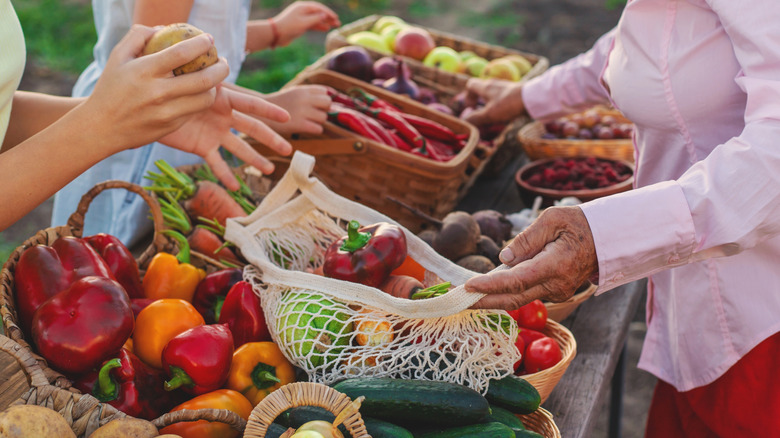
I still believe that the best way I can support local agriculture is by making it a habit to shop at farmers markets or visit farms with retail facilities. I like to talk to local farmers (who are usually at the markets), get recommendations, and choose foods I know I will want to eat. You can follow these tips for navigating farmers markets if you feel overwhelmed by the variety. This may not help alleviate all the financial difficulties farmers face, as CSAs promise to do, but it works for now, until we find a better solution that feels like a win for everyone.