

8 Foods That Have More Omega-3 Than Salmon
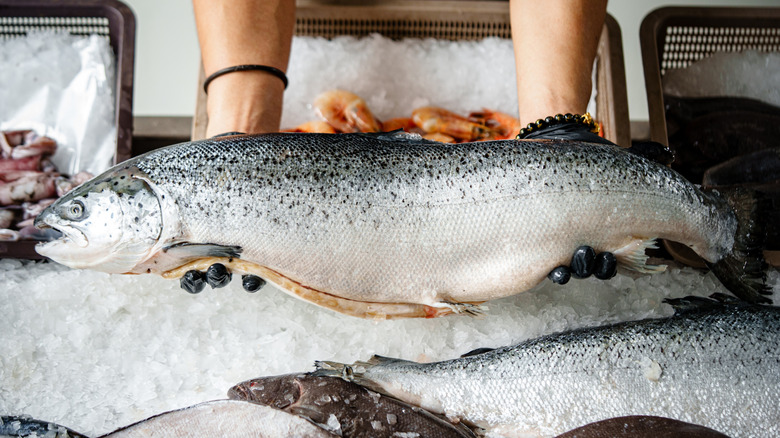
When people think about omega-3 fatty acids, oftentimes the first thing they think about is salmon. No real surprise considering that wild and farm-raised salmon average around 1,125 milligrams of omega-3s per 100-gram serving, especially in that brown or gray fat layer between the muscle and skin. However, other foods can have even more.
Since omega-3 is an umbrella term for three types of fat, you're liable to find them in oil-rich foods, particularly nuts, seeds, and shellfish. Eicosapentaenoic and docosahexaenoic acids are particularly prevalent in seafood, and alpha-linolenic acid usually comes from plants. All three are important sources not only of calories but also of some of the basic building blocks comprising your cells, particularly the ones in your brain and eyes. They're also great for preventing heart disease and encouraging a robust cardiovascular system.
Though the number varies based on size, gender, and health history, the National Institute of Health says most people only need less than 2 grams of omega-3 a day. Given that, incorporating any of these foods into your diet shouldn't create an imposition, whether you're vegan, don't have time to cook, or are just looking to tighten your grocery budget.
Mackerel has even more omega-3s than salmon
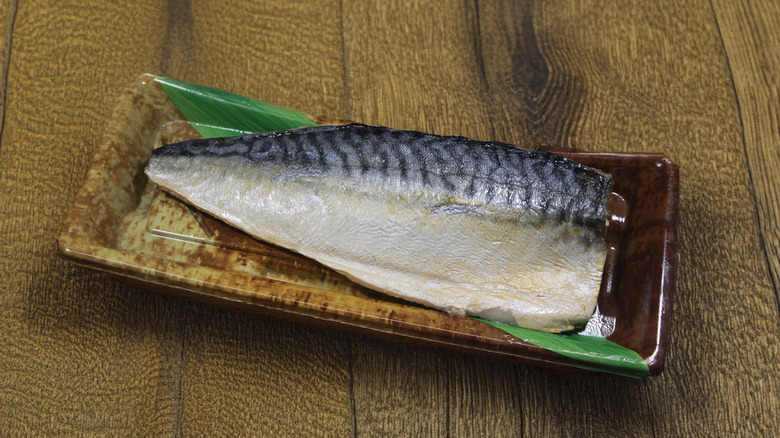
Like salmon, mackerel stores its fat in its muscles, so its meat is rich in omega-3s. Atlantic varieties can have up to 2,600 milligrams per 100-gram serving, with King and Chub breeds being slightly lower at around 2,200 milligrams.
Walnuts are an easy snack rich in fatty acids
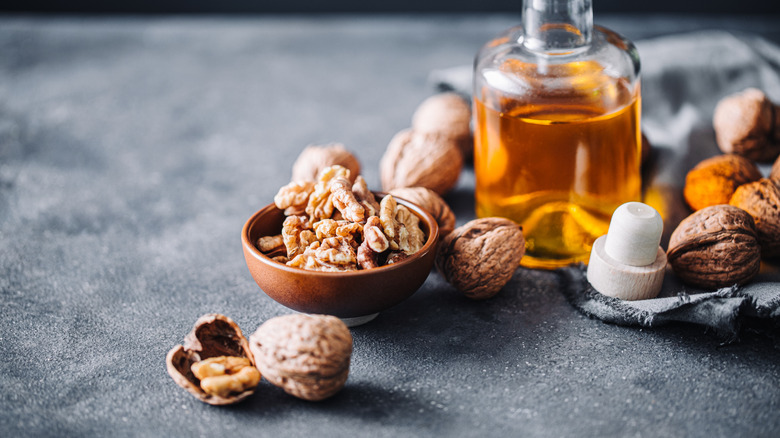
Whether you want a handful as a snack or are looking to start cooking with walnut oil, this nut contains the most omega-3s by far. You can get 6,280 milligrams in a 100-gram serving, which comes out to about a cup.
Chia seeds are an omega-3-rich mix-in for breakfasts
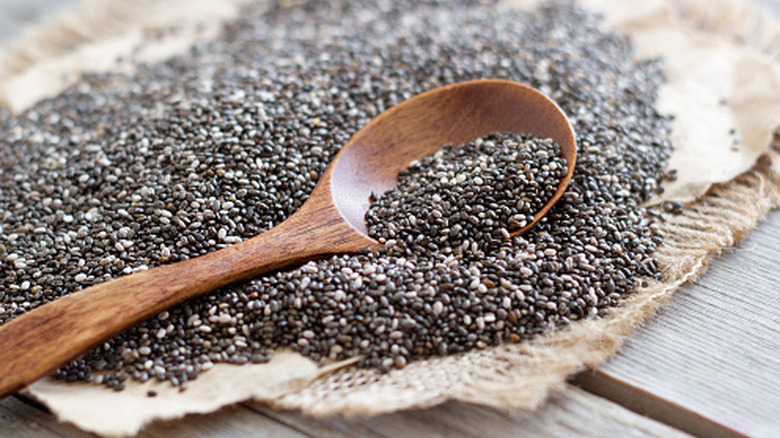
Chia seeds are so small and neutral-tasting that you'd hardly know they're there. Still, at 20,360 milligrams per 100-gram serving, they're arguably the best way to get your omega-3s first thing in the morning, whether that's in a smoothie, yogurt, or even a cereal bowl.
Flax seeds are one of the most omega-3 dense foods available
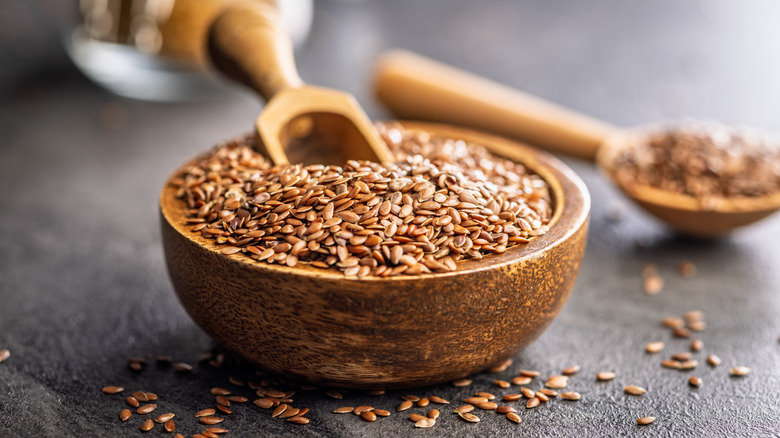
These nutty, oily little seeds are not only an incredible seasoning but also one of the best sources of omega-3s you can find. At 22,800 milligrams per 100-gram serving, just eating or grinding a tablespoon in the morning guarantees you meet your daily requirement.
Soybean oil gives you omega-3s while you deep-fry
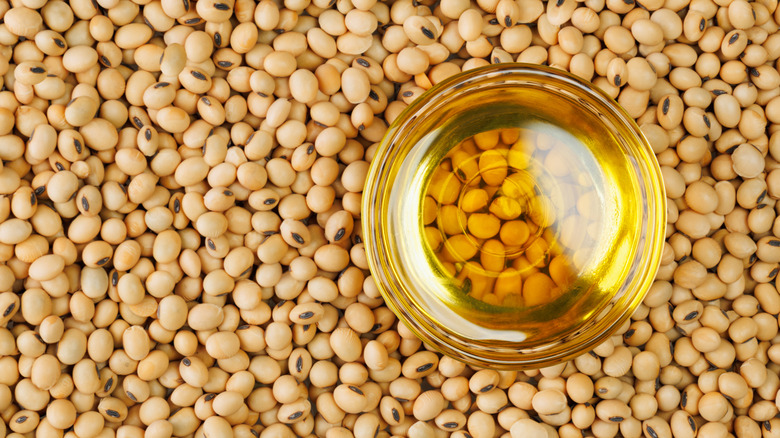
Soybean oil is one of the best to fry with because its taste is almost nonexistent, it has a 450-degree Fahrenheit smoke point, and it's stable to the point that it won't degrade from repeated use thanks to its oxidation resistance. However, it also has 50,400 milligrams of omega-3 per 100 grams, so the fat that soaks into your breading could get you everything you need in one go.
Canola oil is easy to find and rich in fatty acids
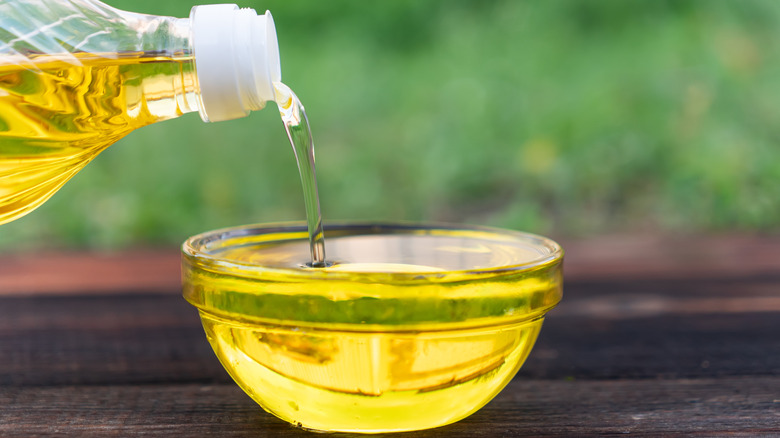
If you've got a grocery store, you've got canola oil, which also means you've got a solid source of omega-3! At 9,140 milligrams per 100-gram serving, it's arguably the most available source of fatty acids, no matter where you shop.
Caviar is a decadently nutritious option
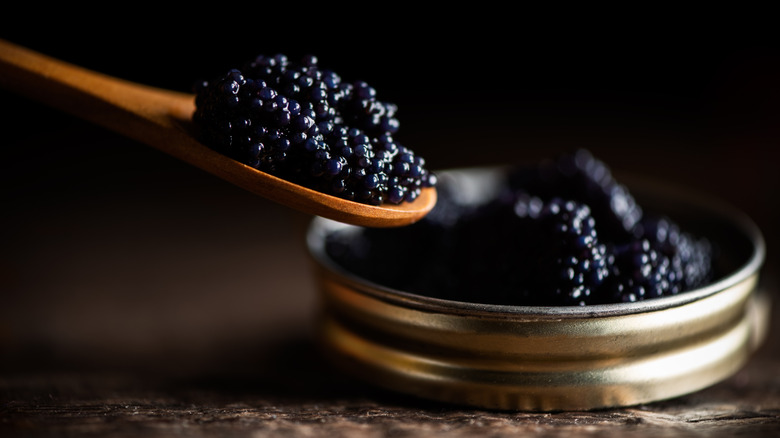
Since fatty seafood is where you find omega-3s, it makes sense that caviar would come chock full of it. It has 6,787 milligrams per 100-gram serving, so feel free to indulge in one of the bougiest snacks available, knowing you're getting your important fats.
Hemp seeds are an old-school, affordable food
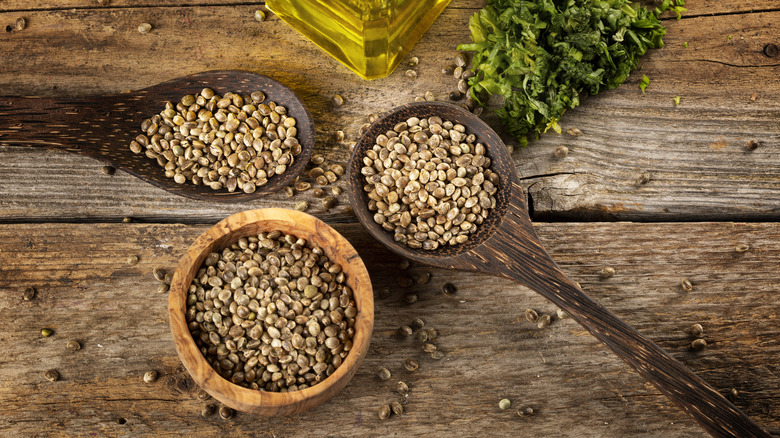
Back when hemp was a common crop, people would eat the seeds all the time since they have a mild, nutty flavor. However, they also contain 9,300 milligrams per 100-gram serving, which makes them great whether you eat them by the handful or just use hemp oil to cook with.