

Cabernet Sauvignon Vs Merlot: How These Wines Differ
Out of all the wine varieties to know, cabernet sauvignon and merlot undoubtedly rank among the world's most iconic and recognizable red wine grapes. They're staples on restaurant menus and easy to spot at almost any bottle shop, but while they're often grouped together, they deliver vastly different drinking experiences.
Grape varieties distinguish themselves from each other because each has its own natural levels of sugar, acidity, tannin, and even skin thickness, all of which work together to influence the wine's final texture and flavor. Then there are factors like terroir — the climate and soil of a vineyard — that also influence the character of the wine, and explain why the same grape can taste completely different depending on what corner of the globe it's grown in. With so many factors at play, if you want to sharpen your sommelier nose and learn how to shop for wine like a pro, learning how to distinguish these two classics is a great place to start.
One of the easiest ways to tell these wines apart is by the tannins, the natural compounds found in grape skins and seeds that create a dry, grippy sensation on the tongue and gums. Cabernet sauvignon is known for its high tannin levels, giving it a structured feel, while merlot is typically softer and smoother by comparison. Acidity is another major clue. Cabernet sauvignon's acidity gives it a brighter profile compared to merlot's velvety texture. Then there's body, the overall richness of the wine on the palate. Cabernet sauvignon is famously bold and full-bodied, while merlot is far less intense.
Highly structured and globally loved, cabernet sauvignon commands attention
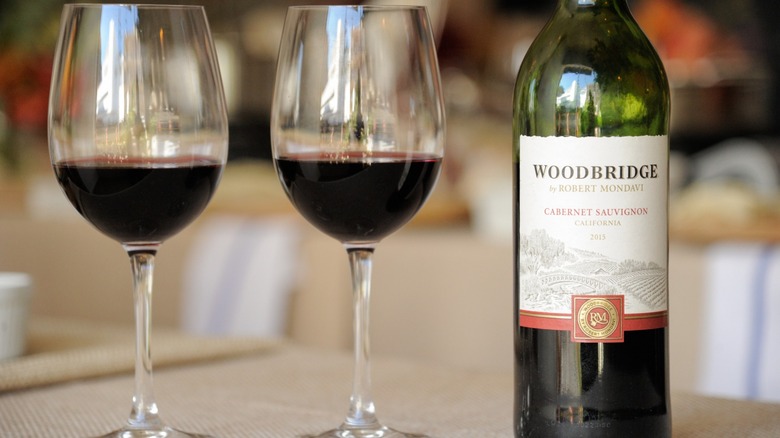
Cabernet sauvignon holds the distinguished title of the most planted wine grape in the world, covering roughly 840,000 acres across the globe. You're bound to find it practically everywhere, but certain regions' offerings are known to stand out. There's Bordeaux, the birthplace of the grape. Here, you'll find premier cru estates concentrated on the city's left bank, where the gravelly soils are ideal for cultivation. Its full body serves as the backbone of many of the city's finest blends, and it's often paired with merlot, whose softer fruitiness perfectly complements cabernet sauvignon's boldness.
Cabernet sauvignon's unique — and unmistakably commanding — flavor profile is one of the biggest parts of its appeal. Upon tasting, you should immediately be able to detect rich, dark flavors like blackcurrant and anise paired with tobacco leaf. It also stands out for its aging potential, which refers to the taste and texture of the wine slowly changing over time. The grape's high tannin content acts as a natural preservative, allowing certain bottles to age for up to 20 years (though absolute top-tier bottles can improve for even longer in a proper cellar).
Another important feature of cabernet sauvignon is its high alcohol content, which typically falls within the range of 13% to 15% alcohol by volume (ABV). This high ABV and tannin structure create the wine's celebrated bold character, demanding thoughtful food pairings to balance its intensity. Prime pairings include rich, hearty dishes, and we recommend enjoying it with steak cuts like rib-eye or T-bone, whose fat binds to the tannins for a smoother mouthfeel.
Highly popular yet misunderstood, merlot is a versatile classic
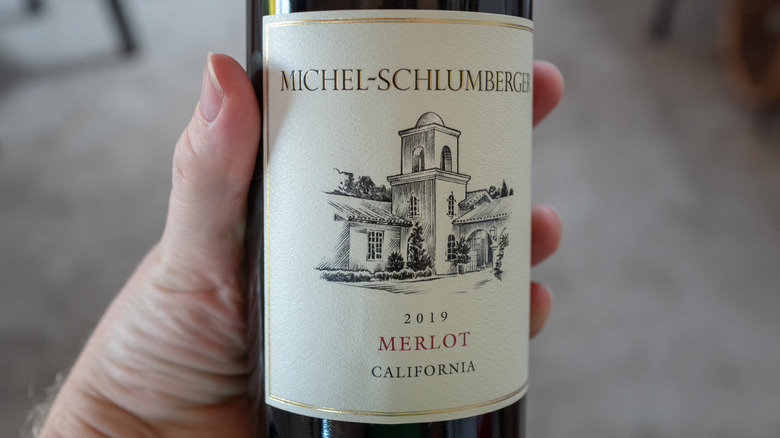
Merlot holds the title of the second most planted grape variety globally, covering an immense area of roughly 657,000 acres. The grape originates in Bordeaux's right bank region, where some of the finest merlot wines are still produced today. However, while it may share the same provenance as Cabernet sauvignon, it is not nearly as well regarded. Since being famously bashed in the hit 2004 film "Sideways" as a bland and unfashionable wine choice, merlot has received plenty of undeserved scorn. It didn't help, however, that during the peak of its popularity in the '90s, it was extremely overproduced, causing many poorly made, low-quality bottles to hit grocery store shelves.
But don't be fooled: Some of the world's most renowned and expensive wines are made using 100% merlot grapes, fetching prices in the thousands. When done right, merlot showcases lush fruit flavors like ripe cherry and plum, carried by a medium-to-full body. This gives it an expressive flavor profile, striking the perfect balance between depth and approachability. Because it doesn't feature the intensity of heavier wines like cabernet sauvignon or syrah, merlot is also an easygoing and accessible starting point for those new to wine.
The youthful character of merlot is a big part of its appeal. Its smooth, juicy mouthfeel and plush fruit flavors make merlot exceptionally food-friendly, pairing beautifully with everything from roast chicken to pasta dishes, such as a baked ziti with sausage or a rich, slow-simmered beef bolognese over tagliatelle. Compared to richer wines, its easy-drinking character makes it feel equally at home in a fancy restaurant or on your sofa after a long day.