

The Best-Selling Energy Drink In The US Is A Classic
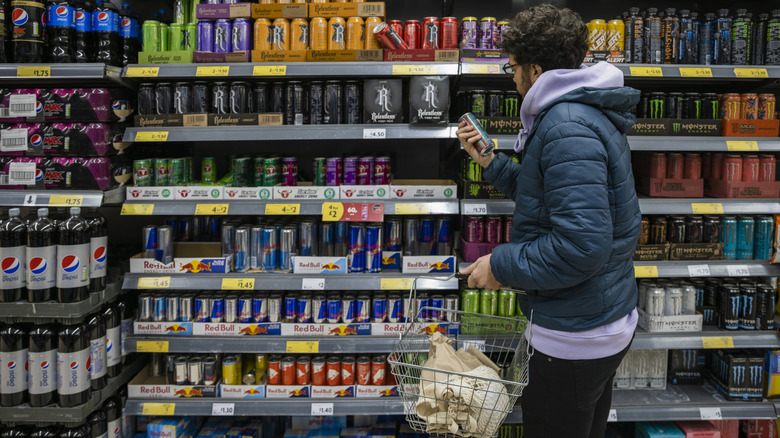
Caffeine is widely consumed in the U.S., primarily through coffee, tea, and soda, but also energy drinks. This class of beverages mixes together caffeine with energizing supplements like protein-derived taurine and vitamin B for an invigorating kick. The selection of brand options is expansive, but the best-selling energy drink is hardly a surprise — the top spot in 2025 went to Red Bull.
The classic beverage debuted in the U.S. in 1997, establishing the trend of canned energy drinks in the West. Inspired by a Thai beverage called Krating Daeng, Red Bull evolved from a medicinal energizer for truckers and workers into a cultural phenomenon, buoyed by a highly successful marketing campaign. Strong investments in adrenaline sports affirmed a cool image; remember Felix Baumgartner's 2012 space jump? Not to mention Red Bull's typical use extends into the nighttime, with alcoholic tipples like vodka Red Bull and the Vegas Bomb widely enjoyed beverages. To be clear, we don't endorse drinking alcohol with energy drinks – it's definitely a mixer you should never combine with tequila.
By the mid 2000s, the Red Bull popularity rolled in fast, and hasn't faded since. The brand sold nearly 14 billion cans worldwide in 2025, with the U.S. comprising one of the largest markets. It's an impressive cultural prevalence — Red Bull has cemented itself as a 21st-century household name.
A look into Red Bull's popularity
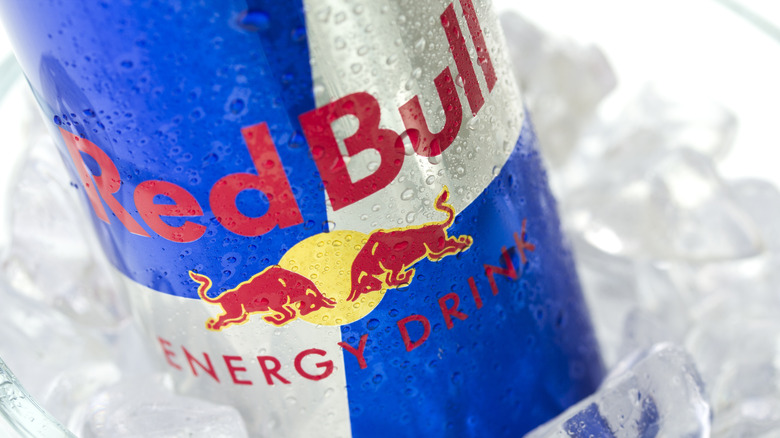
Red Bull's rise can be attributed to equal parts image and content. With accumulated decades of consumption, consumers have taken a liking to its mild palate – citrus, sugar, and carbonation form the predominant tasting notes. Opposed to the caffeine content of matcha or coffee, Red Bull carries extra energizing associations. However, in function, the typical 8.4-ounce can offers 80 milligrams of caffeine, roughly half the amount of a typical drip coffee. Like other energy drinks, extra compounds do some invigorating. Red Bull notably uses sugar for an extra kick, with 27 grams per serving. Widespread industry additions of taurine and B-group vitamins further aid in fatigue regulation.
Curiously, despite the high-octane image, Red Bull is on the milder side of energy drinks, falling well below competitive brands. Furthermore, the container size is more compact, too — 12 or 16 ounce cans are more common. Such a composition aids in maintaining accessibility, thereby curtailing jitters; plus, it may entice drinkers to grab more than one throughout the day.
The hyper-invigorating associations can instead be attributed to advertising. Red Bull sponsors events and athletes in disciplines like MotoGP, kiteboarding, cliff-diving, mountain biking, mountaineering, and base jumping. It's an impressive marketing initiative that perennially keeps the brand in the public eye; no small secret to Red Bull's success.