

The Fishy Old-School Deli Sandwich You Rarely See Anymore
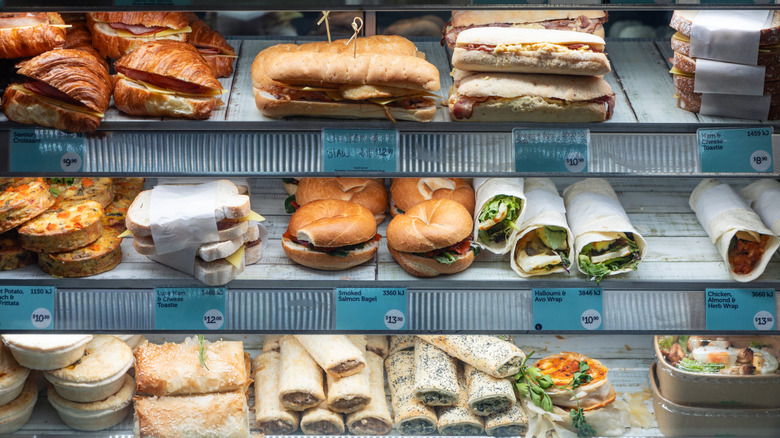
The deli sandwich is practically an institution. No matter where you go, many classic deli orders look and taste remarkably similar, shaped by decades of shared traditions and evolving consumer palates. But as those tastes changed over the years, some once-common staples slowly disappeared from menus altogether. Few sandwiches capture that forgotten old-school deli spirit quite like the sardine sandwich.
The sardine sandwich was once a budget-friendly staple. You could find countless variations of this sandwich, like chopped sardines in raisin bread or sardines paired with peanuts or crisp onions. The reason they were so popular was because of their abundance, and they were once the most heavily harvested fish in the United States. There was a thriving industry on both the Atlantic and Pacific coasts, making sardines cheap and plentiful. One of the more interesting facts about sardines is that they also helped people get through hard times, providing an affordable, filling, and nutritious meal during periods of economic strife like World War II food shortages and the Great Depression.
But despite their popularity, sardines eventually fell out of favor. The decline of the sardine sandwich can largely be traced back to changing consumer tastes. By the '50s, tuna had overtaken sardines as America's canned fish of choice. It was marketed as a convenient household staple and helped usher in the era of the mid-century tuna casserole and the accidental invention of the tuna melt. Sardines were no longer the star of the show, and their waning popularity happened to coincide with a major decline in sardine populations along the Pacific Coast — an area once dubbed the "Sardine capital of the world". Due to the sudden collapse in population, a ban was imposed on the commercial sardine fishery in 1967, which lasted until 1986.
Sardines are making a major comeback
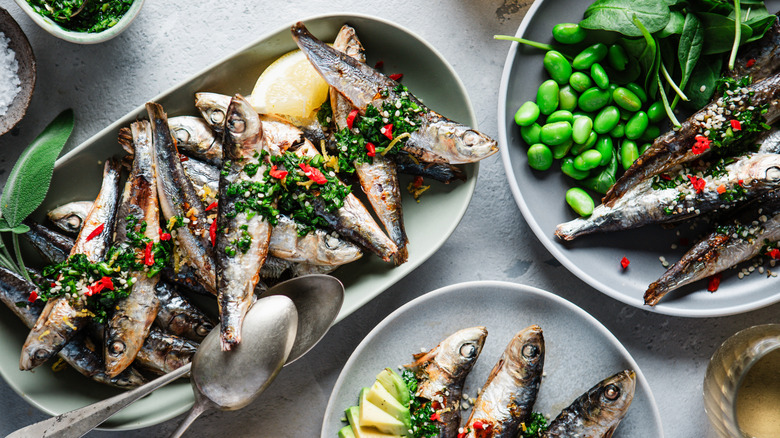
The sardine trend may have faded by the end of the 20th century, but the tiny fish appears to be staging an unlikely comeback in the 21st. While baby boomers and Gen Z rarely agree on food trends, canned sardines have somehow become a surprising point of overlap. Fuelled in part by social media, tinned fish has been trending online, with sardines viewed less as a cheap survival food and more as an aesthetic charcuterie board treat. The trend has become so widespread that Gen-Zers have been painting sardines on their nails and even getting them tattooed.
Instead of being chopped and slapped between slices of bread, modern sardines are often marketed as upscale specialty products. Many brands now sell premium imported sardines in beautifully designed tins. Part of that higher price tag also comes down to supply. Although sardine populations along the West Coast have rebounded since their mid-century collapse, the domestic industry remains far smaller than it once was and just as unpredictable. As a result, much of the canned sardine market now relies on imports from major global producers, like Morocco and Poland, adding extra costs that ultimately get passed on to customers.
If you want to give sardines a more modern twist, they're now more commonly enjoyed as part of a rustic, elevated small plate rather than an old-school sandwich. Today's approach keeps the fish whole, pairing it with high-quality olive oil and bright, acidic toppings like pickled red onions that balance out their rich, fatty flavor. All you've gotta do is place your toppings on a slice of toasted bread, just like you would a tartine, and you've got yourself a unique spin on this retro deli trend.