

74 Years Ago, The Soda Industry Was Changed Forever
The diet soda industry is worth over $4 billion. Nearly every soda brand offers a diet or zero-sugar alternative, but 75 years ago, no such thing existed. This all changed with the introduction of the first diet soda, No-Cal. Marketed as a diabetic-friendly alternative to already popular sugar-based sodas, it exploded in popularity and reshaped the entire industry.
Interestingly, sodas have always been linked to public health. Before diet soda, old-school soda brands, like Coca-Cola and Pepsi — established in 1886 and 1898, respectively, were sold in pharmacies as medical tonics to boost energy and overall wellness. Eventually, the two brands broke away from their pharmaceutical roots and were sold on a wide commercial scale in the 1920s. During this time, the mere idea of a "low-calorie" soda didn't exist.
What's curious is that the diet soda follows a similar path. Like their sugary counterparts, they were created for a health-based function. The first diet soda — No-Cal — was created by father and son duo Hyman and Morris Kirsch for patients at the Jewish Sanitarium for Chronic Disease. By swapping sugar for non-caloric sweeteners, soda could be safely enjoyed by diabetics and patients with cardiovascular disease. However, it quickly became apparent that many buyers of No-Cal weren't diabetics but just those looking for an alternative to sugary sodas — even though the idea that diet soda is nutritious is one of the biggest soda myths. Nevertheless, Kirsch capitalized on this untapped market, and No-Cal was rebranded from a pharmaceutical drink to one perfect for consumers who wanted less sugar. This marketing strategy worked wonders for the brand, and just a year after its launch, No-Cal was grossing over $5 million annually.
The impact and legacy of No-Cal
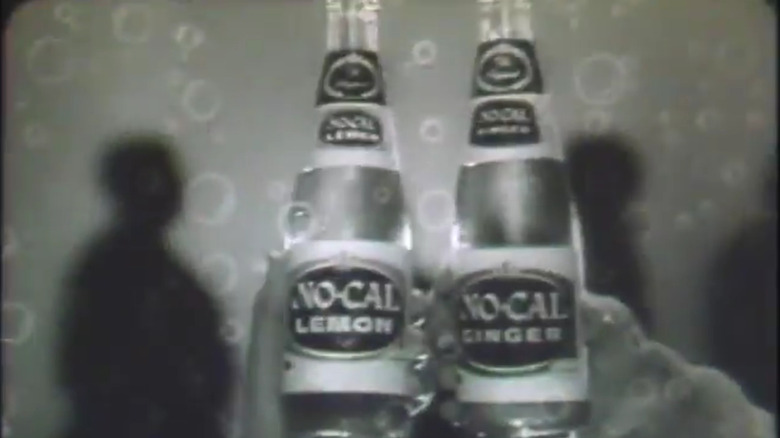
No-Cal started a domino effect that changed the soda industry forever. When bigger brands took notice of its sudden popularity, they quickly jumped on the trend. Coca-Cola launched Tab in 1963, and Pepsi followed with Patio Diet Cola (later rebranded to Diet Pepsi). No-Cal started a huge movement, but it soon became apparent that not everything was smooth sailing.
Originally, the primary sweeteners used in diet sodas were called cyclamates. In 1969, the Food and Drug Administration (FDA) abruptly removed cyclamates from its "Generally Recognized as Safe" list. This was due to a study which found that high doses of cyclamates caused bladder tumors in rodents, which was grounds for its immediate ban. As a result, diet soda manufacturers were only given weeks to remove cyclamate-sweetened products from shelves. Aside from being a financial hit, this also created a public image nightmare. Overnight, the "healthy alternative" image that diet soda had carefully curated for itself shattered.
Unfortunately, this signaled the beginning of the end for No-Cal. It never fully recovered from the financial hit of the cyclamate ban. The company eventually switched to an FDA-approved sweetener, saccharin, but lost even more of its dwindling fan base, who complained that saccharin had an unpleasant aftertaste. With growing competition from bigger brands, it eventually faded into obscurity. Today, the biggest diet soda is Diet Coke. The diet soda industry continues to evolve, and brands are starting to shift to "zero sugar" branding rather than "diet" to appeal to a wider audience.