

11 Foods That Have More Protein Than An Egg
We may receive a commission on purchases made from links.
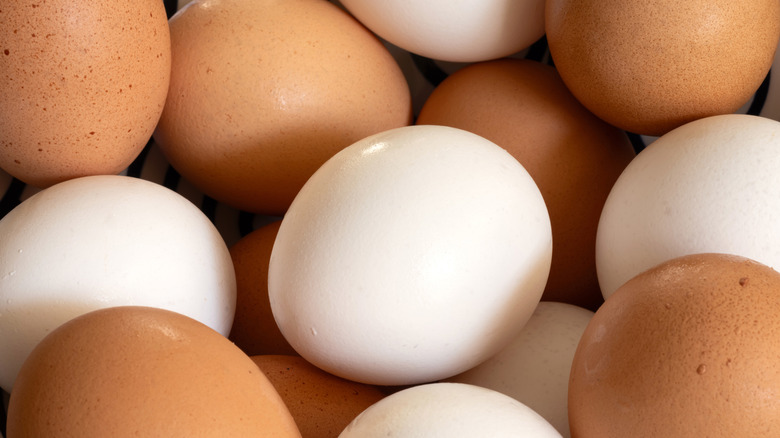
Eggs have long been considered the gold standard of protein, and with this essential amino acid at the forefront of seemingly everyone's minds (it's certainly become the marketing darling of the food world in recent years), it's no wonder people are gobbling them up like there's no tomorrow. Of course, there are an abundance of ways to enjoy eggs, like hard-boiled, scrambled for breakfast, or even soft-boiled and jammy in a bowl of ramen, but if you're looking to hit a certain goal — or just add more into your everyday diet — there are actually a lot of other foods that contain more protein per serving than eggs.
A single egg contains just over 6 grams of protein, but when the average adult male requires 56 grams, and the average female 46 grams for proper body function (this skyrockets to 70 grams if you are pregnant or breastfeeding), there is no way this food can help you meet that alone. And since your appetite surely craves more than just eggs, we've got a versatile selection of wholesome foods, some of which contain two, three, or many more times as much protein
Beans, beans, the magically protein-filled fruit
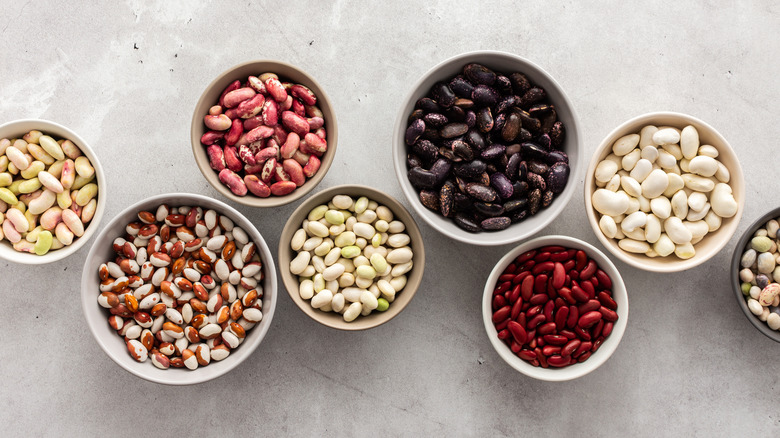
While beans might still be shaking off that bad rep from the song referenced above (it's because they're so filled with fiber), they're still incredibly protein-dense. There are so many different varieties, from kidneys, which contain 7 grams, to soy, which has 14, and they can be implemented into your diet in a multitude of ways, from traditional Boston baked beans to creamy polenta with white beans.
Which comes first – the chicken or the egg?

In the case of which comes first, as far as protein is concerned, it's definitely the chicken and not the egg. Chicken breast clocks in at 24 grams of protein per 4-ounce serving, dwarfing the egg and its mere 6 grams.
That's nuts
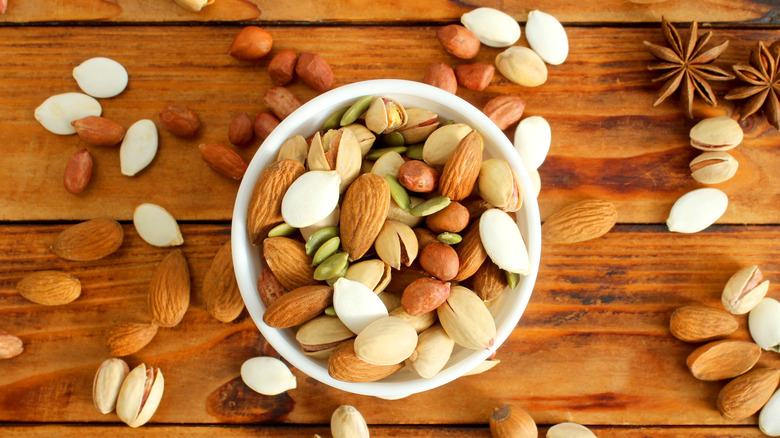
Wanna know something that sounds nutty but isn't? Most of the popular types of nuts, like peanuts (technically a legume), pistachios, walnuts, and cashews, contain more protein per serving than an egg. On the low end, walnuts contain 9 grams, while dry-roasted peanuts really pack in the protein. For example, a single ounce of Planters' Dry Roasted Peanuts gets you 8 grams, so a quarter cup gives you 16 grams.
I'm coming to the cottage (cheese)
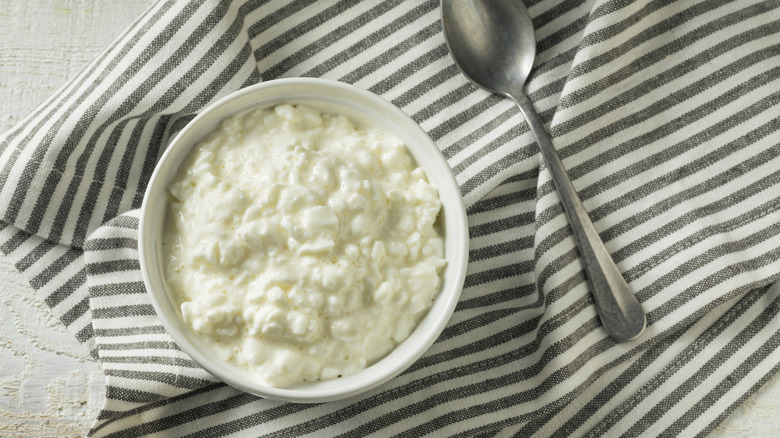
Cottage cheese might be controversial due to its texture, but in terms of its protein content, it's a real winner. A half-cup serving of this chunky, creamy dairy product contains 12 grams of protein, or twice that of a single egg.
Tofu, take a bow
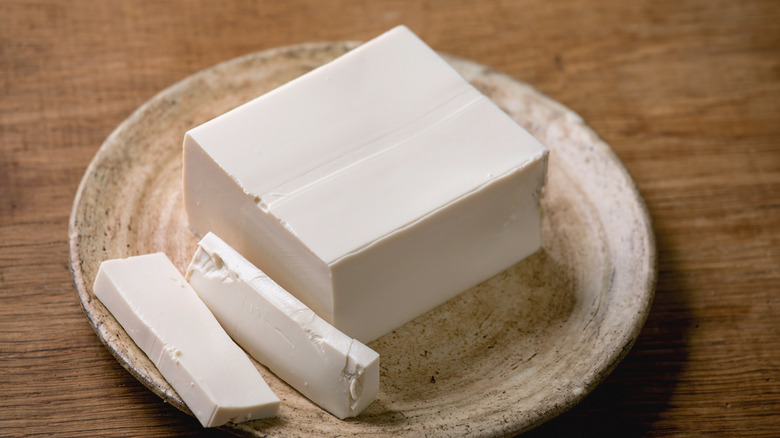
A single serving of tofu (which is about a fifth of a pack, less than 100 grams) contains a surprising amount of protein — anywhere from 7 grams all the way up to 14, which means it can play a vital part in getting vegetarians and vegans the nutrients their bodies need. And while it's not the most flavorful food in the world, it tends to take on the taste of whatever it's cooked with, so pair it with a bold sauce, and you're good to go.
We're keen for quinoa
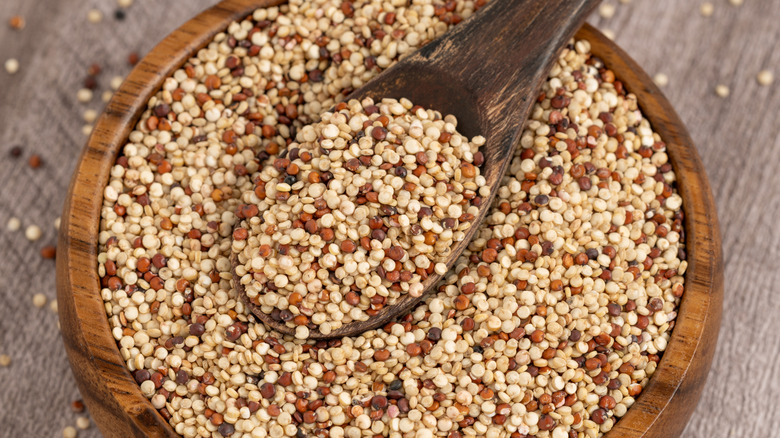
If you're looking to get more protein in your diet by swapping out foods, consider switching from a cup of white rice, which contains 4 four grams of protein, to quinoa, which can contain up to 7 grams. Quinoa is also a good source of fiber and contains many nutrients.
Lay it on thick with peanut butter

It makes sense that peanut butter is on this list, because its primary ingredient is peanuts (or at least, it should be). That said, the creamy, sweet spread nets you 7 to 8 grams of protein per 2-tablespoon serving, and it's a bit more versatile than actual peanuts, since it can be paired with other protein powerhouses, like smoothies or oatmeal.
Getting your protein goes swimmingly with salmon
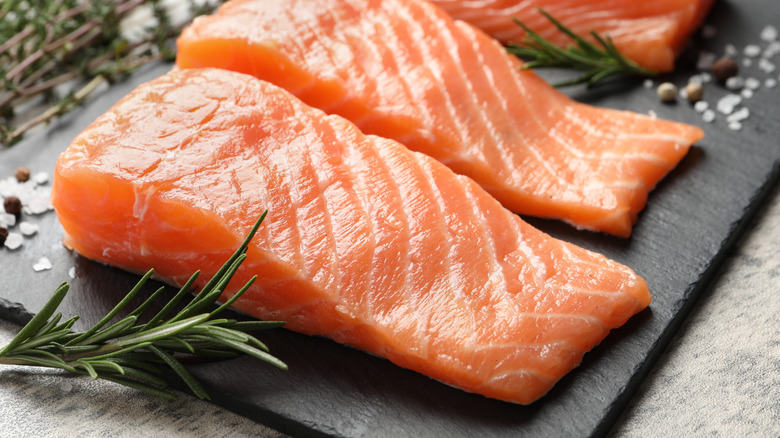
Salmon is just a superfood overall, thanks to its brain-function-enhancing omega-3 fatty acids, but it's also a good source of complete protein. A three-ounce serving of cooked salmon contains far and away more protein than an egg, with around 20 grams packed into its pink, tender flesh.
The Greeks know what they are about
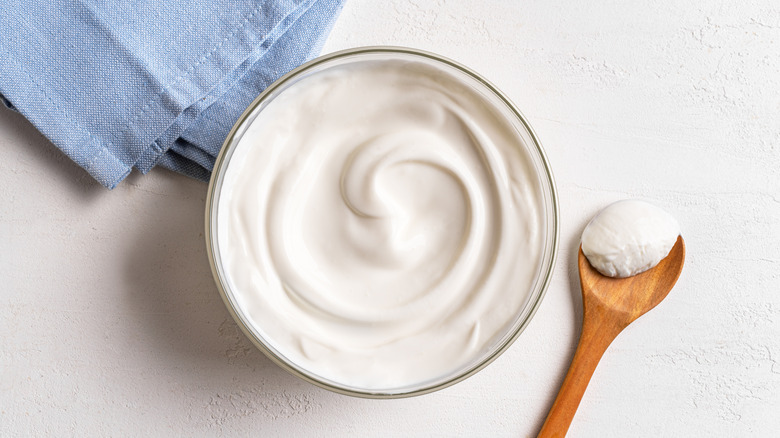
Rounding out the dairy options on this list is Greek yogurt, a protein powerhouse that has rapidly gained in popularity starting in the late 2000s. Not only does a serving (¾ cups) of Greek yogurt contain anywhere from 16 to 18 grams, but it also contains 10 or more grams of the macronutrient than regular plain yogurt.
Pump up the protein with pumpkin seeds
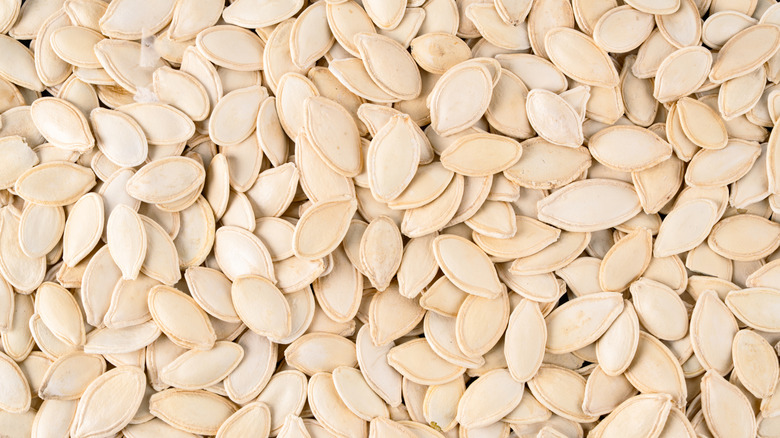
While the orange flesh of a pumpkin doesn't contain much protein at all — up to two grams at most, per cup — the seeds that populate the interior have a surprisingly robust amount, at 8 to 10 grams per serving (⅓ cups). They're delicious roasted, added to salads, or used to top soups or baked goods.
Seitan is not for the Celiacs
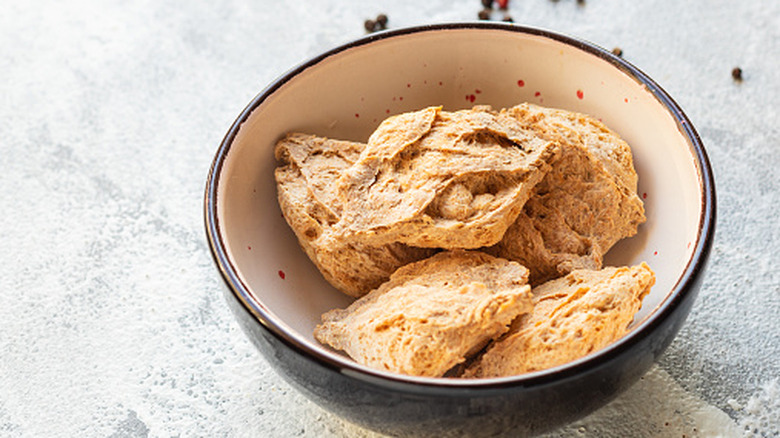
Seitan is a surprisingly high-quality meat substitute appreciated by vegetarians and vegans, and it's made from wheat gluten. It blows eggs out of the water with its protein content, too, with a whopping 18 grams for just a 2-ounce piece.