

10 Southern Grocery Chains We're Begging To Go Nationwide
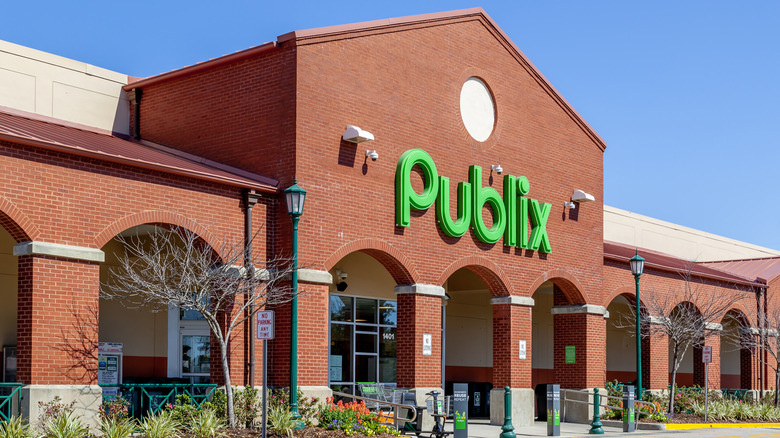
There are lots of reasons people choose a favorite grocery store. Often it's a combination of what's nearby and what has the best value and quality for the lowest cost. But value isn't just measured by the total bill. Instead, many customers are looking for businesses that add more than just discounts at the register. Things like curbside pickup, delivery, the size of the product selection, and added services, like fueling stations and pharmacies, make some supermarket options more appealing than others. That's one reason smaller markets are enticing. Area grocery chains can feel more personalized, and regionally specific products help complete that feel.
These grocery chains are primarily found between Texas and Virginia, but they make a big impact in their communities. From everyday values through in-store brands to locally sourced products, customers flock to these regional markets for great prices and a sense of familiarity — things we certainly wouldn't mind having nationwide. So, here are a few grocery chains we'd love to see expand beyond the American South.
H-E-B
Despite only operating in one state, H-E-B consistently ranks as one of the best supermarket chains in the nation. The company was established in 1905 and operates over 440 stores throughout Texas and Mexico. H-E-B is known in part for its own brand of high-quality products sold only in its own stores and for customizing each location to best suit that community's needs. The chain also sources many items from local producers, labeling the products "Texas Proud" to indicate their origin.
In addition to multiple sustainability initiatives, H-E-B gives back to its customers by donating to food banks and operating mobile kitchens in disaster areas. In the stores, guests can get certain generic medicines for as little as $4, and the pharmacy even has pet meds for your furry friends. The chain has partnered with Favor to deliver groceries through the app, although by not going into the store, you miss the chance to see cheese mongers crack open wheels of Parmigiano Reggiano and other artisanal cheeses.
Rouses
Rouses Market might be the smallest chain on this list, with stores operating in only three states — Louisiana, Mississippi, and Alabama. But the size of the brand doesn't indicate its quality, which many chefs, like Emeril Lagasse and John Folse, swear by. Started in 1960, this family-owned chain sells a variety of Creole, Cajun, and other Louisiana-made products. The Gentilly cake is legendary, and grabbing a free Rouses magazine at checkout gives insights into the Gulf Coast's culture, history, and recipes.
The chain is deeply connected to the communities it serves, offering culinary scholarships to Nicholls State University and donating to food banks across the South. Many of its products come from nearby farms and fisheries, exemplifying the chain's motto of "locals helping locals." Rouses has its own award-winning in-store brand, as well, with items like organic olive oil and Italian strawberry-flavored sodas. Of course, as a South Louisiana-based chain, this is also the official supermarket of the New Orleans Saints. Who Dat!
Food Lion
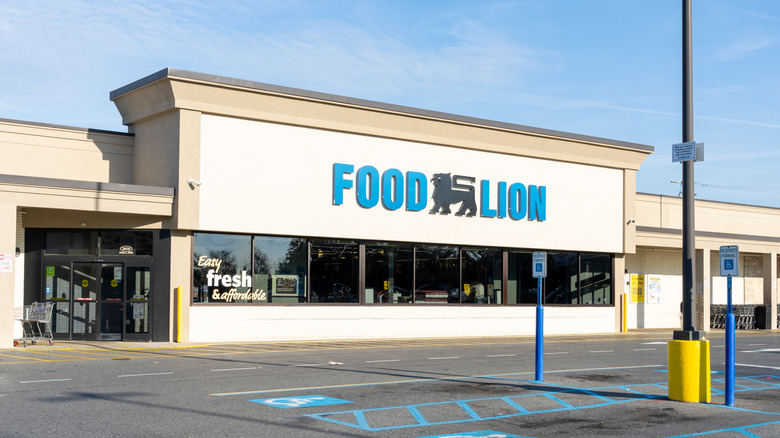
Food Lion opened its first store in the 1950s, and now this chain operates more than 1,100 stores across 10 states. The company carries more than 28,000 products, including several Popeyes sauces, in addition to over 7,000 of the brand's own in-store labels. Aside from the Food Lion products, there are brands like Nature's Promise for simple, organic ingredients and Companion for your pet's needs. CareOne is a lower-cost alternative to name-brand over-the-counter medicines, while Cha-Ching makes budget-friendly grocery and household items.
Health-conscious customers can follow the three-star system Food Lion uses to indicate the healthy, healthier, and healthiest ingredients the store carries. Many of the products are sourced from local farmers in each state the company operates in, and the chain has a commitment to sustainability that has helped to significantly reduce food waste in its stores. Food Lion also has an app to make shopping easier. It holds coupons, shopping lists, and the customer's MVP rewards card, which provides even more personalized discounts.
Harris Teeter
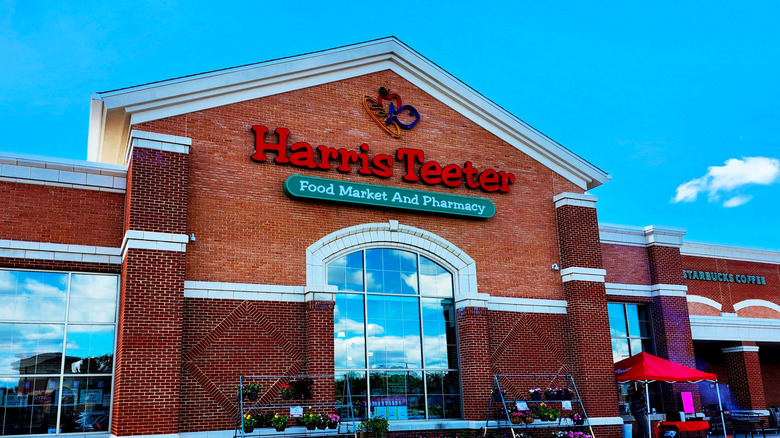
Harris Teeter is technically part of the larger Kroger corporation, but these grocery stores can only be found in the South. There are over 250 locations in 7 states (plus Washington, D.C.), with an additional 60 fueling stations. Founded in 1960, the business operates two distribution centers in North Carolina that ship the brand's groceries, produce, and frozen foods to its stores. The chain has around 36,000 employees and was named one of Newsweek's most trustworthy companies in 2026.
Shopping in-store is a multi-tiered experience, with Starbucks Coffee in many locations to start you off with a jolt of caffeine. For those using the store's online coupons, there's free wi-fi, and customers who prefer physical cards can use the VIC membership card for automatic discounts at the register. VIC card users can even help schools in their areas by linking the card to up to five schools at a time. After checkout, Harris-Teeter also offers complimentary carry-out service as a thank you for shopping in the store.
Piggly Wiggly
If you've ever shopped at a Piggly Wiggly, you've taken part in retail history. The brand was the world's first supermarket and was created as a way to let people shop for groceries in one place instead of having food delivered from different businesses throughout the week. The fact that the iconic chain has technically already expanded beyond the South doesn't mean it hasn't earned a place on this list. Founded in 1916 in Tennessee, the company currently operates around 500 stores in 18 states, but fans won't be satisfied until it's nationwide.
The company has in-store labels like That's Smart, a budget-conscious brand for household products and snacks, as well as Best Yet deli items. All of them can be found through Instacart at participating locations. The chain also offers the Pig Points reward program, which provides customers with personalized suggestions and discounts. And for those who really dig the pig, merchandise is available, including shirts, hats, shopping bags, and umbrellas.
Food City
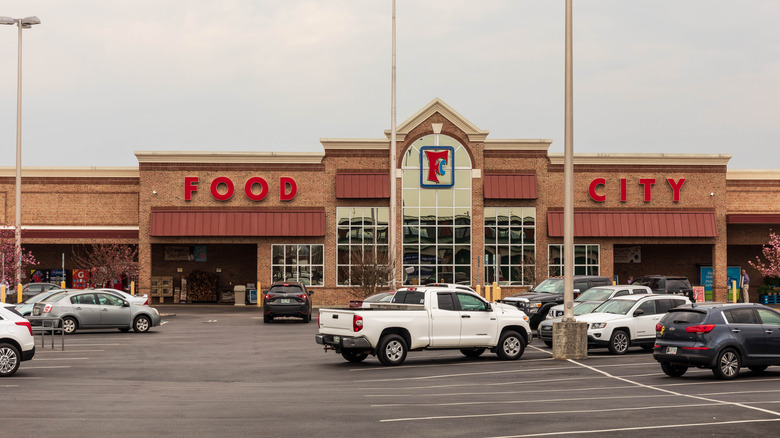
Not to be confused with Food City stores in Arizona, this chain of Food City grocery stores operates primarily in the Appalachian region of the Southern states. The brand was founded over a century ago in Tennessee and has nearly 140 stores across five states today. Many of the locations have fuel centers and pharmacies, making stopping here an efficient way to run multiple errands at once.
Food City's parent company, K-VA-T Food Stores, Inc., operates its own distribution center in Virginia, allowing the company to transport its products quickly to each of the stores. This makes a difference in keeping the food quality high, as many of the items are sourced from local farmers. Some of the stores have partnered with DoorDash and Instacart to make shopping easier, and all locations offer curbside pickup for those who order online.
The chain has other advantages, too. In addition to its own in-store labels, Food City has several rewards programs for its customers. Fuel Bucks give discounts on each gallon of gas up to 20 gallons, while the ValuCard provides exclusive discounts on groceries. There are also clubs for discounts on baby, kids, and pet items. The pharmacy has a wellness club and $4 prescriptions for certain medications.
Winn-Dixie
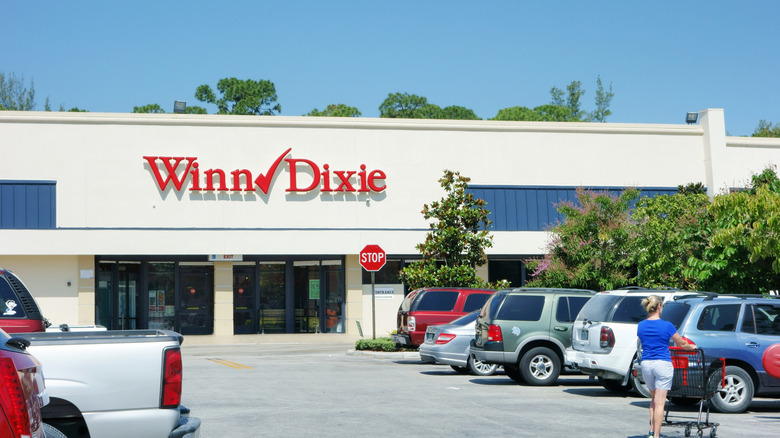
Winn-Dixie famously only operates in a handful of states and has done so since 1925, making this chain a truly specific regional experience. While not nationwide, the chain has acquired several smaller grocery stores, such as Harveys, to expand its footprint in its home state of Florida. In fact, the chain is undergoing a major rebranding, with stores in several states closing while the brand expands within the Sunshine State. Winn-Dixie has even partnered with Amazon to provide home delivery to the Tampa Bay area, making shopping easier for those with mobility issues or busy schedules.
The company has a commitment to sustainability, with products like fish either being certified by the USDA or through the Global Sustainable Seafood Initiative. Winn-Dixie has its own in-store labels, as well. Whiskers & Tails is for pet products, while Chek makes a variety of soft drinks. There's also a rewards program customers can join through an app or the store's website that gives personalized deals, points on each purchase, and a free item on the guest's birthday.
Brookshire's
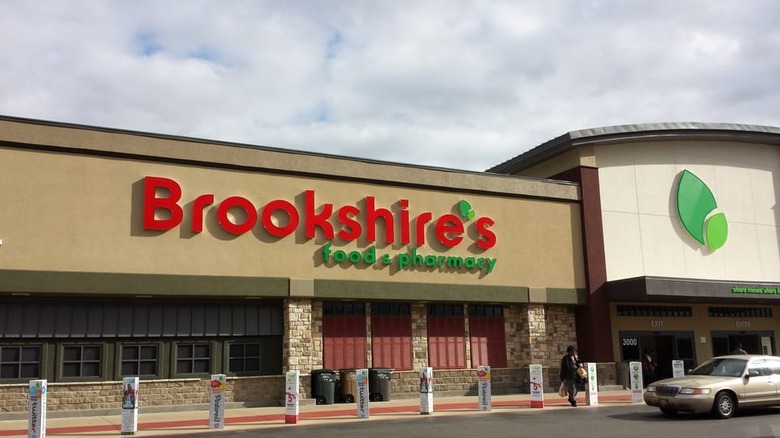
Nearly a century old, Brookshire's has spread from Tyler, Texas, across the Southeastern United States. Today, the company has over 200 stores divided into brands like Super 1 Foods, Reasor's, and Spring Market. The company is still owned by the Brookshire family and maintains its original purpose of providing the communities it occupies with incredible customer service and quality food at competitive prices. The chain even offers a Thank You Card loyalty program that gives customers discounts and perks, such as the opportunity to win prizes in sweepstakes. To give customers more economic choices, Brookshire's sells several of its own product brands in stores, like Wide Awake Coffee Co, Goldenbrook, Crav'n Flavor, and Simply Done.
The chain operates primarily in rural communities and mid-size cities. Many locations also have fueling stations, making it a quick way to gather groceries and gas in one stop. Around 120 locations have Walgreens pharmacies, and others offer services like renting carpet cleaning machines.
Publix
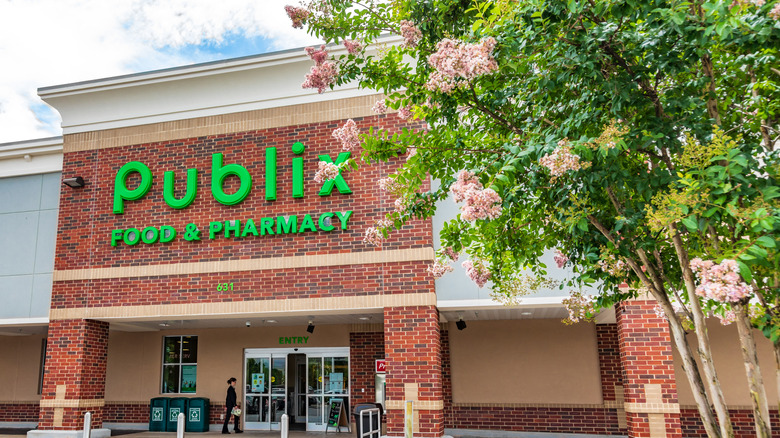
You might already be familiar with the Publix supermarket chain thanks to its famous fried chicken or customizable submarine sandwiches. Those excellent in-store options are reason enough to want this chain to spread, but it hardly stops there. Operating more than 1,400 stores across eight states, this is the largest employee-owned grocery brand in the nation. The company was founded in 1930 and quickly gained a loyal following that has helped turn the brand into the seventh-largest supermarket chain in the United States based on 2024 sales, per European Supermarket Magazine. The brand is also regularly featured in Fortune Magazine, most recently on its list of Best Companies to Work For 2026 — a spot it has occupied for nearly three decades.
One of the reasons Publix became such a juggernaut was thanks to its founder, George Jenkins, who believed in treating the people who shopped in his stores like royalty. His idea that a company's philosophy was more important than its policies made customers feel like guests instead of consumers and kept them returning time and again. The brand still follows that and offers a rewards program called Club Publix. Those who sign up receive early access to the weekly ad, special perks, and a free treat on their birthday.
Ingles Market
Founded more than 60 years ago in Asheville, North Carolina, Ingles Market proudly remains headquartered in the town where it was born. The chain was created by a third-generation grocer who understood the importance of product personalization and high-quality food. Today, Ingles has almost 200 locations throughout the Appalachian region and is known for the its Laura Lynn products, a private label overseen by the Ingles family member it was named for. The chain is also one of six retailers where customers can find the Shark Tank product, Fry Away, along with Food City.
To ensure that products arrive fresh to its customers, the chain's warehouse is located within 250 miles of any of its stores. The warehouse is positioned next to two major interstates, making it easy to transport items quickly. Ingles Markets also owns and operates Milkco, Inc., a plant that processes and packages around 60 million gallons of milk each year. The company uses corrugated cardboard as jugs for the milk, adding temperature and travel protection for the products. The cardboard is also made with 25% recycled materials, showcasing the brand's commitment to sustainability and quality. That's something we'd definitely like to see across all 50 states.