

The Best Cottage Cheese Trick To Try If The Texture Isn't Your Thing
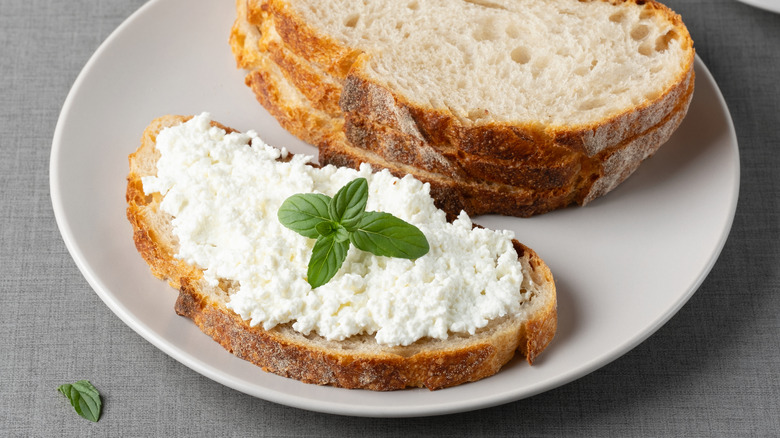
With protein-maxxing being all the rage in 2026, cottage cheese has quickly made a massive comeback — with social media-savvy Gen-Zers playing a huge role in its resurgence. The reason it's so popular with protein lovers is that just a single cup serving contains 28 grams of protein. That's nearly the same amount of protein as a 100-gram chicken breast. On top of that, it's also packed with nutrients, antioxidants, and vitamins. But one thing protein-maxxers are struggling to get behind is its texture, which sits in limbo between watery and chunky.
For some, the curds in cottage cheese can bring up images of a rancid dairy product, but it's totally natural. Initially, acid or bacteria is added to milk, which causes the milk protein to coagulate and form curds. These curds are then cut, heated, and drained. So far, this is the exact same process used in cheesemaking. However, the production process for cheese diverges as these curds are pressed or shaped into a block or wheel. For cottage cheese, they're instead mixed with a dressing made of milk or cream, which gives it that signature soupy consistency with the curds still intact. So, for those who are put off, just think of cottage cheese as unaged cheese in a creamy sauce.
But we get it. Texture can make or break a meal for many people. So if you want to enjoy the benefits of cottage cheese without its controversial texture, an easy fix is to whip it. All you're gonna need is a hand-blender, whisk, or even just a fork and some elbow grease. To keep things extra smooth, add in a drizzle of olive oil or a dollop of butter before whisking.
Creative ways to use whipped cottage cheese

Even though cottage cheese has a loud texture, its flavor is very mild. So when it's whipped, it becomes a smooth, high-protein base that works as a blank canvas for many dishes. One of the internet's favorite substitutes is ricotta, which is similar in flavor but is made by heating the leftover whey rather than the curds. Both cottage cheese and ricotta are high in protein, but cottage cheese is comparatively higher. This makes it a popular alternative for dishes where ricotta is a main ingredient, like a creamy filling for lasagna or as a high-protein topping on pizza. You can even make your own protein-heavy desserts like cannolis or cheesecake — although we recommend mixing it with a sweetener like honey or sugar before adding it to a dessert.
Another swap you can make with whipped cottage cheese is for sour cream, which isn't particularly high in protein. To mimic the bold tartness of sour cream, just add a splash of lemon, vinegar, or leftover pickle brine to whipped cottage cheese and stir it in, which will also bring the airy whipped cottage cheese closer to the smooth, silky consistency of sour cream. This will make for a great topping for nachos or as an ingredient in a high-protein burrito.
You can also use whipped cottage cheese to hit your protein targets before lunch. Try it in your granola bowl; its similar texture and milder taste make it an easy stand-in for those who find Greek yogurt too acidic. Pair it with nuts, seeds, or a scoop of protein powder to boost the protein even further.