

Martha Stewart's Spring Gardening Tasks You Shouldn't Skip

Though it may be tempting to jump headfirst into spring planting, take it from Martha Stewart and cultivate your environment first. Preparing the land, whether you have a single raised bed or acres of in-ground fields, can save you a ton of headaches down the line while also guaranteeing the largest, most delicious harvest possible.
@marthastewart Have you checked these spring gardening tasks off your list? #gardening101 #gardeningtips #throwbackthursday #tiktokpartner
Once a plant is in the ground, fertilizing, watering, and pruning will only get you so far. Some plants, like peppers, are quite hardy, capable of growing in most conditions, provided they get enough sunlight and water. However, even the toughest pepper plant could stand a bit of tender love and care, and the most important nurturing you can provide starts before you even stick it in the ground. Other plants, like tomatoes, are delicate, voracious feeders, so even if you can get them to grow into sprawling green stalks, failing to provide the proper soil, pollinator, and hydration conditions may inhibit their fruit production.
Stewart focuses her spring gardening chores around two main goals: nurturing what she already has and laying the groundwork for what she wants. Existing plants, like perennials and flowering trees, are key assets that draw in pollinators and fill your space with gorgeous color. New plants, like garden vegetables and annual flowers, are great not only for stocking your pantry, but also for filling unfulfilled niches. Balancing your chore list around both creates less work in the future and a beautiful space to work in through the warmer months.
Prune existing plants for new growth and more air circulation
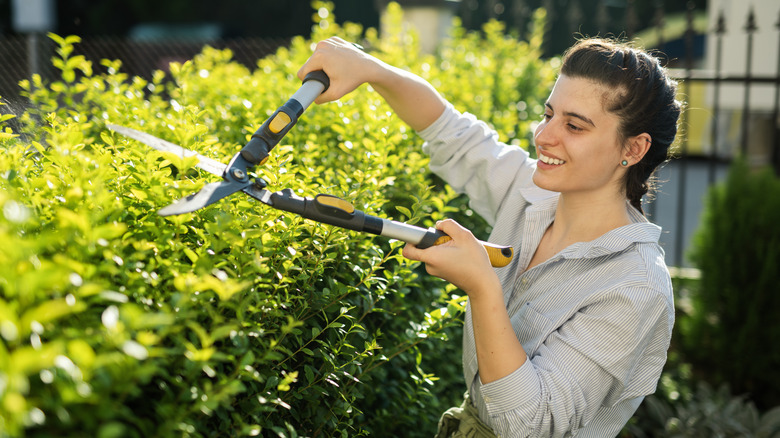
Pruning removes deadweight that won't flower or produce leaves, while also preventing all sorts of potentially deadly fungal infections, but it's also fantastic for encouraging new growth. Martha Stewart especially recommends pruning fruit trees in late winter or early spring, which allows more sunlight to hit lower branches and helps them grow much better fruit.
Fertilize early to maximize growth potential
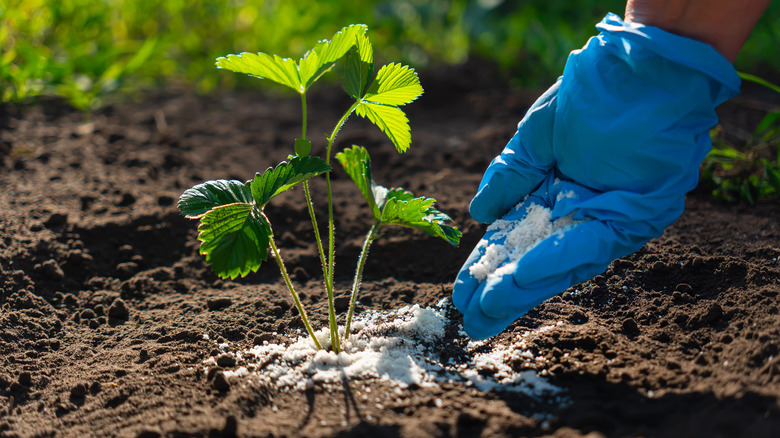
Martha Stewart recommends fertilizing once you see new buds, giving plants the boost they need once their growing cycles kick in. If you fertilize too late, you won't enjoy the benefits of sweet flowers and beautiful leaves through the spring and may even risk having low temperatures kill off new growth.
Start composting early to provide timely nutrients for plants
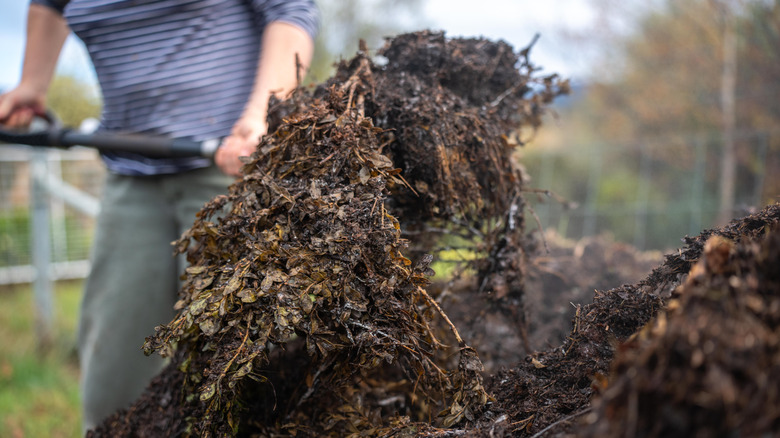
From using fireplace ashes to benefit your garden to turning eggshells into fertilizer, anything you compost needs time to turn into nutritious plant food, so always start early. While adding a bit to each hole before planting is great, Martha Stewart recommends feeding established plants in mid-spring.
Use quick-growing blooms to attract early pollinators
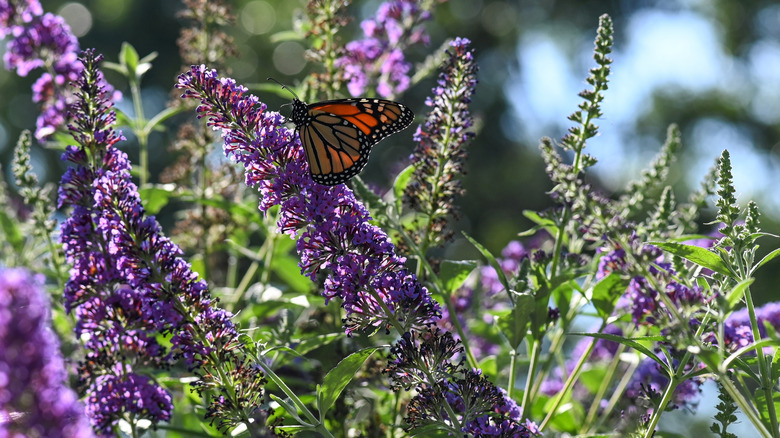
Empty spots in your yard, particularly around your garden, are prime candidates for potential pollinators. But to attract them early in the season, Martha Stewart told The Scotts Company that she likes to plant fast-growing flowers, like marigolds, sunflowers, and zinnias, all of which have many cultivars suited to different environments.
Test your soil and adjust fertilizer as necessary
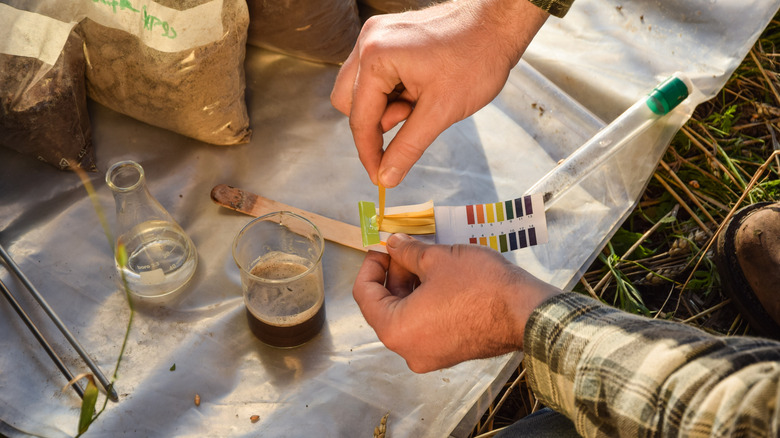
Different plants need different nutrients, so knowing what you already have saves you a lot of guesswork and helps prevent burning your plant roots from an overabundance of fertilizer. Martha Stewart sends her soil to her local extension office every year or two, informing her spring chores before her plants ever touch the earth (via YouTube).
Transform poor soil by balancing its core components early
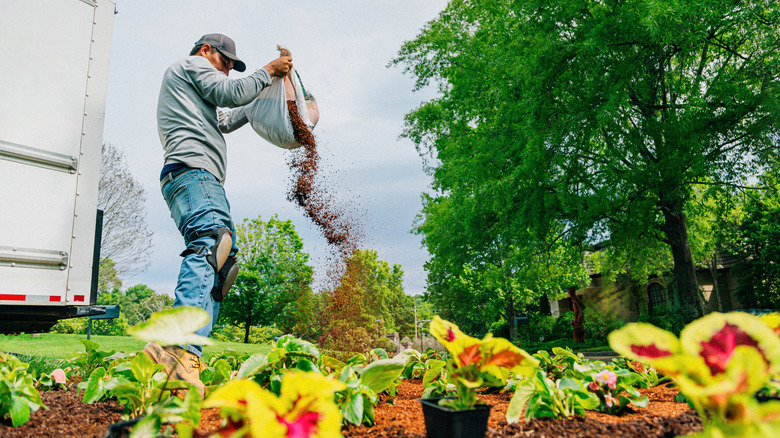
You can turn even the rockiest, sandiest soil into a rich hotbed of growth, but it takes time. On her blog, Martha Stewart wrote that she likes to keep a healthy balance of earth, sand, and clay for proper drainage and texture. However, nailing that mixture takes time, so get started early to let everything mix properly and blend with any compost.
Oxygenate soil by tilling before and after adding amendments
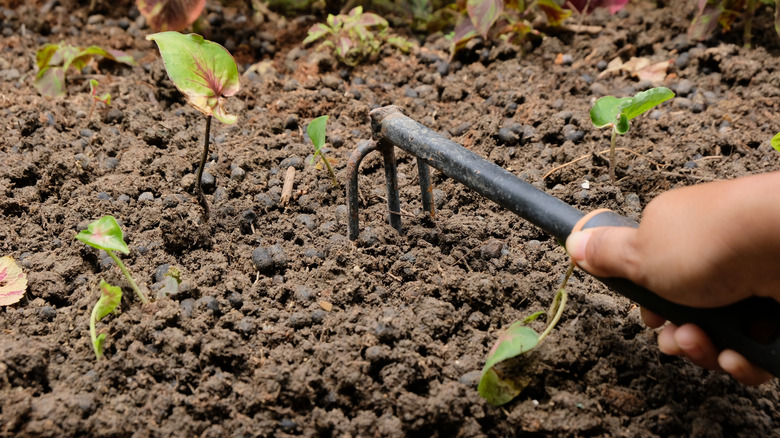
Even though they're underground, plants need oxygen, and tilling is a labor-intensive process most people can't knock out in a day, even with a gas-powered machine. On her blog, Martha Stewart shared that she likes to have her garden tilled once before adding her soil amendments, and then tilled again once the ground is easier to work with.
Utilize fast-growing crops for a productive spring harvest
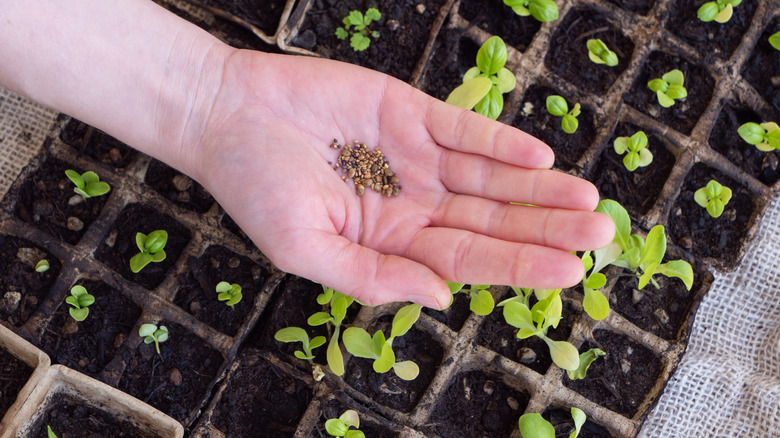
Whether you live in a warm climate with a long gardening season or only have a couple of short months of prime growing conditions, fast-growing early spring plants make the most of the time you have. Martha Stewart's head gardener says this is especially important for leafy greens, like lettuce and kale, which can take as little as six to seven weeks from seed to harvest and tend to wilt in hot weather (per Martha Stewart).
Apply mulch early to retain moisture and control weeds
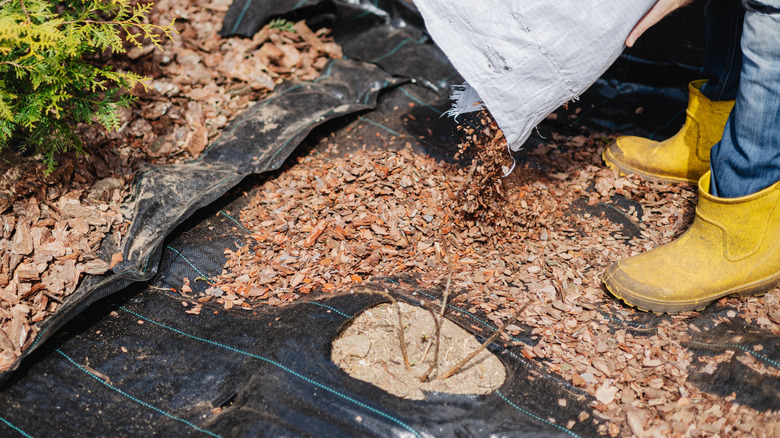
Mulch helps retain water, control weeds, and break down over time like surface-level compost, so it's always best to apply it early. Even cardboard creates richer garden soil, but on her blog, Martha Stewart recommends creating layers of whatever you use between two and four inches thick — enough to prevent weeds, but not so much that it will inhibit water from reaching roots.