

10 Italian Street Foods You Need To Try
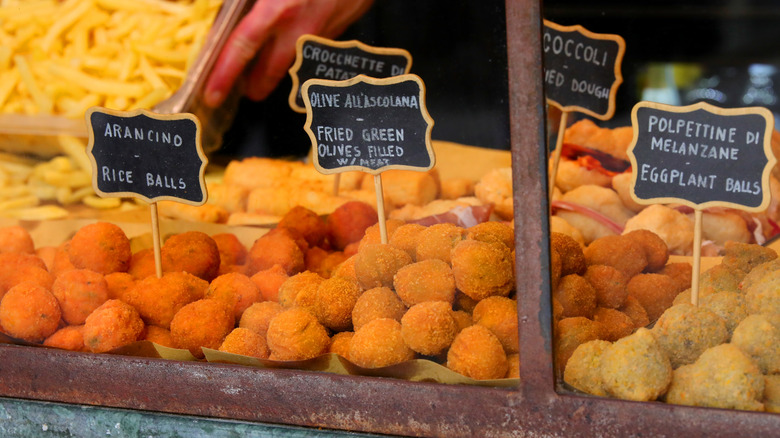
Take a walk around most any city in the world, and you'll find a good Italian spot. Red and white checkered tablecloths, wine glasses ready to be filled at each seat, and a bread basket will all greet you as soon as you walk in the door. At the same time, you'll get a whiff of sweet and acidic marinara sauce, yeasty pizza dough, and salty Parmesan cheese. What this ubiquitous environment does not quite capture is the frenzy of street vendors, single-stall restaurants, and food carts around the streets of Italy.
Italian food is one of the most popular cuisines in the world, but most of our interactions with it tend to be takeout, like pizza or meatball subs. They're undeniably scrumptious, of course, but they're only a small window into the seaside towns and plazas of Italy's diverse culinary scene. The foods on this list come from the Arab-inspired flavors and crunch of Sicily, the briny, salty Venice, and the simplicity of the cuisine from Emilia-Romagna. All of them paint a picture of a country that thrives when its people are out eating on the streets, tasting Italian food as they witness the visual wonders.
1. Arancini
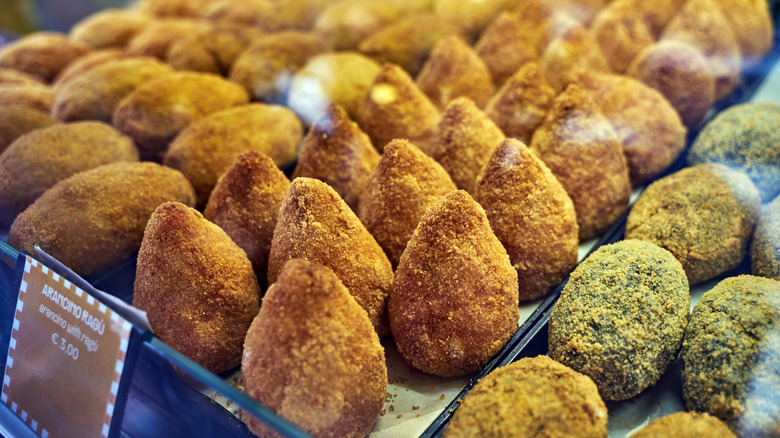
Few can resist any little breaded and fried snack no matter what might be behind its crispy dome: But reveal it to be risotto encased around a cheesy ragú, and nobody will be safe from its allure. Arancini are just that: irresistible pearls of creamy risotto that combine everything in a handheld meal. Also called suppli, arancini, whose name means "little oranges," are most traditionally filled with a meat-based ragú, mozzarella, and peas. If you've come across a pear-shaped arancini in your Sicilian travels, these are usually filled with prosciutto instead of the ragú. Arancini are centuries old, with influences from Arab and Spanish food, so no single version of them is quite the same.
Sweet arancini are also popular on the Italian street food scene, with the festival of Saint Lucia bringing carts of sugar-dusted rice balls during the holidays. Once you have your dinner of fried risotto, you can walk down the street to the next bubbling fry-cart to get your dessert of fried rice pudding.
2. Folpetti
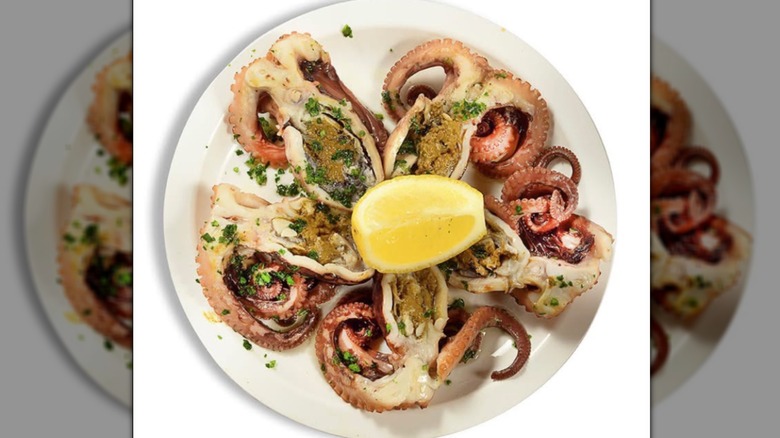
On the American side of the pond, octopus is rarely seen outside of calamari. It's fried crispy and piled high beside a lemon wedge and a ramekin of marinara sauce: This is as American as Italian food gets. In Italy, octopus is allowed to be its shiny, nautical self in the form of the humble Venetian street delicacy known as folpetti.
Essentially boiled baby squids, folpetti is made from a smattering of shrug-inducing ingredients, including extra virgin olive oil, black pepper, salt, lemon juice, and parsley. These simple components amalgamate into a culinary work of art worthy of Venice's striking basilicas.
These octopi are boiled — if you're doing this at home, it takes quite a bit of time — and then tossed in a very simple dressing. It is the type of street food that makes you shake your head in wonder. Folpetti are served in little cardboard trays, just perfect for eating while exploring the streets of Italy.
3. Piadina
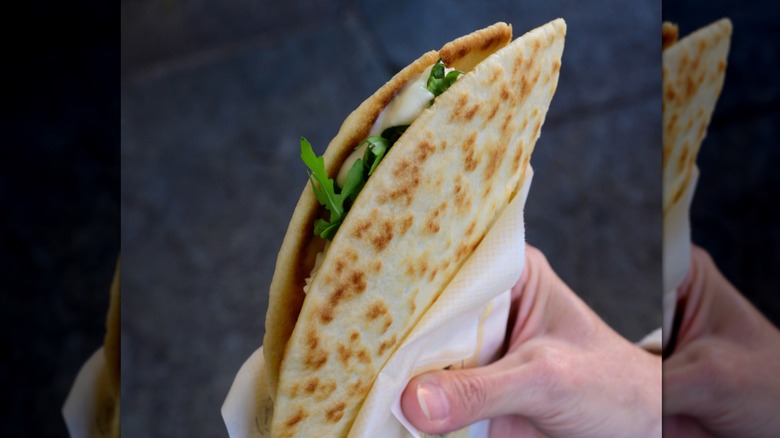
From the Emilia-Romagna region of Italy (specifically the more stripped-back, rustic cuisine of Romagna), comes piadina, a reliable one-way ticket to sandwich deliciousness. It starts with a kind of Italian tortilla, a thin, unleavened flatbread made from flour, lard, and salt, cooked on a griddle until toasted. A classic sandwich features prosciutto, arugula, and a creamy, spreadable cheese like squaquarello or stracchino. Though traditionally piadina are quite thin, the thickness of the bread varies from region to region. The northern parts of Romagna are known for thicker, fluffier flatbreads, as opposed to the south.
You can also switch it up a little bit, with figs or grilled peaches adding a nice round sweetness to the salt of the cheese and the bite of the arugula. Since it is almost a guaranteed sight around seaside kiosks, piadina is pretty much the perfect beach sandwich. It is easily transportable, foldable, and sturdy enough to eat on-the-go or lounging on the sand.
4. Pizza rústica
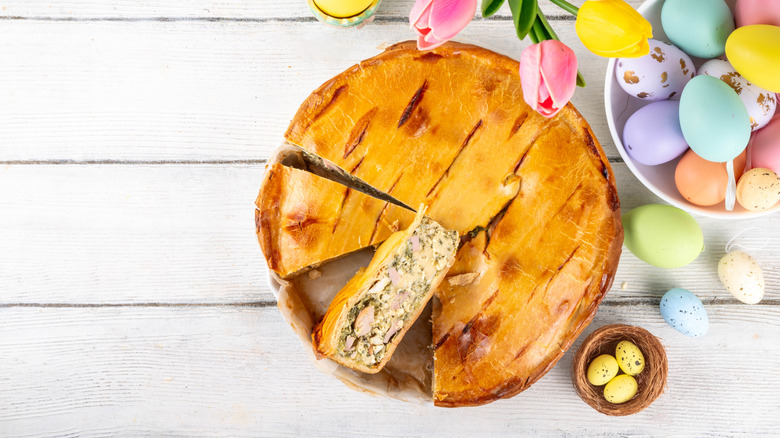
Pizza rústica, a kind of Italian meat pie of eggs, ham, and cheese all encased in flaky pastry, is just about as quintessentially Easter as any other food in the world. This is a very traditional dish from southern Italy, which means there will be gaggles of Italians ready to fight you if you mess up. However, while most of the components tend to stay similar across interpretations, the pie takes different forms in various regions in the country.
It's often a flaky pie pastry on the top and the bottom of the filling, making it sliceable like a cheesecake. However, some versions lean towards a calzone, with pizza dough making a bread-ier, crustier home for the egg filling. You'll find greens in some pies and hard boiled eggs in others, but there's always a dense, eggy, and creamy cheese base.
Since its creation in the 17th century as a kind of no-punches-pulled celebratory centerpiece for the end of Lent, pizza rústica has spread across the country. It is an annual joy to grab a slab of pizza rústica during the Easter season from a little cart in the square.
5. Olive ascolane
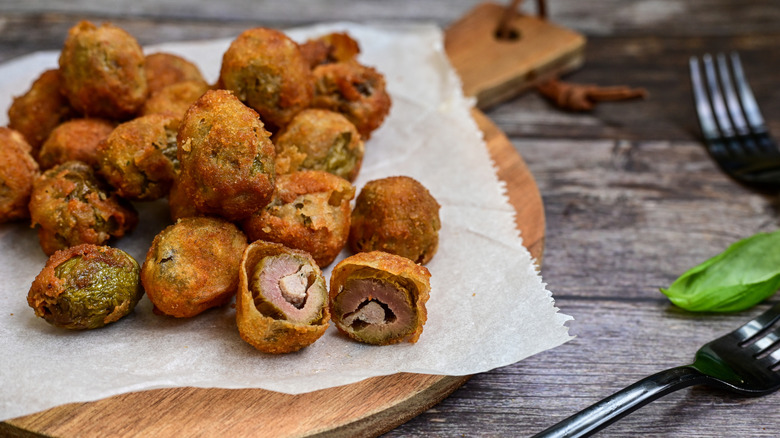
Full of briny, decadent pride, olive ascolane gets added to the list of crispy fried orbs by way of the centrally-located region of Le Marche. This dish, sold on the streets during festivals and holidays, features large, pitted, breaded olives with a little bite of meat inside. The meat, usually beef or pork, is kissed with some mirepoix, white wine, nutmeg, and held together by eggs. It is a delicate process, but the humble olive is ready to take on the weight of this sensational project.
Great hot or cold, these crispy olives find their home in the larger appetizer known as fritto misto all'ascolana, another classic dish from Le Marche with lamb, custard cubes, and zucchini — all fried until shatteringly crunchy. If this who's-who of fried, briny vegetables and meat is up your alley, then perhaps this all-star fritto misto recipe will be, too; olive ascolane would be a fine and fitting addition to this homemade riot.
6. Maritozzi
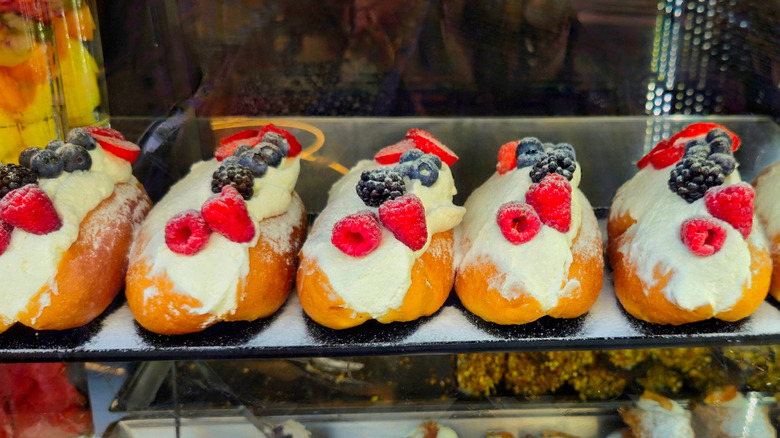
You'd have a hard time not finding a hunk of sweet dough on a street food stall in any country. And, blessedly, Italy is no exception. Maritozzi are a grown-up's custard doughnut, simultaneously more dignified yet excessive in their presentation. Baked rounds of brioche dough — that is, a soft bread dough enriched with eggs and fat, in this case olive oil — are split open like spongy clamshells and filled with a seemingly inordinate amount of whipped cream. The sticky, plush dough is often flavored with honey and citrus, occasionally with pine nuts and raisins.
Another indulgent Lent treat, maritozzi used to be a classic gift husbands gave to their wives. Nowadays, they are a year-round Roman treat, popular at breakfast especially. If you find yourself within Rome's borders, make sure to remember the one breakfast rule when visiting Italy: Have your sweet breakfast with a milky coffee like a cappuccino before 11 a.m. Italians rarely drink cappuccinos after the morning.
7. Panzerotti
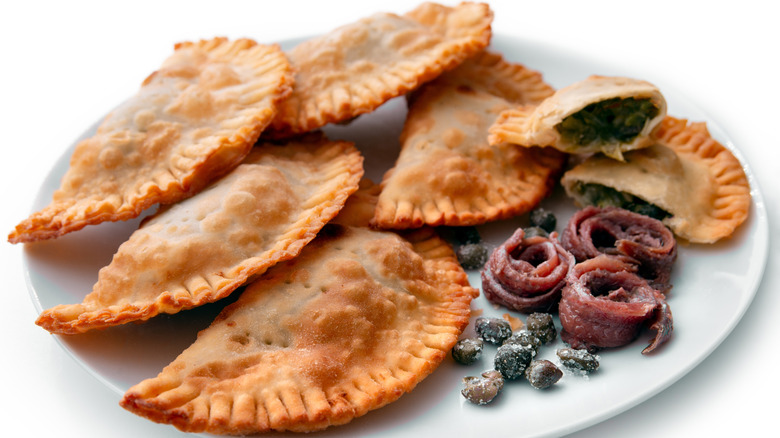
If you have ever had an internal crisis while eating a certain little fried dough pocket filled with cheese, red sauce, and meat and wondered if the Italians also eat bastardized pizzas like this, you can rest assured that they do. Panzerotti, unlike a baked calzone, is a folded and fried stuffed-pizza-dough extravaganza. It is also usually more handheld-sized than a calzone, making it a perfect, defining street food of southern Italy, specifically hailing from Puglia. Like calzones, or many freezer-aisle fried pizza pockets, common fillings include mozzarella and tomato sauce, as well as ham, sautéed onions, and capers.
Sweet versions also abound across the country, exemplifying the extreme versatility of the humble pizza dough to rise to any culinary occasion. This street food really makes you see pizza for the single cog in the larger dough and cheese machine that it is. When hoping to capture the feeling of strolling the streets of southern Italy in your kitchen, make sure to avoid these mistakes everyone makes with their homemade pizza dough.
8. Panelle
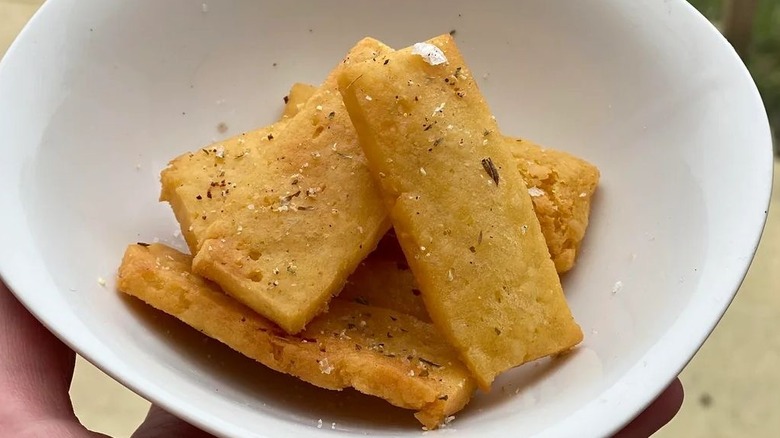
Imagine a french fry, a golden, rectangular cuboid that speaks for its fluffy, crispy self. Now picture a fritter that looks like the french fries you know, but are obviously hiding something juicy inside. Panelle has got you hook, line, and sinker. This chickpea fritter from Palermo in Sicily is yet another thing Italy has fried. Often served as a sandwich, these panelle are simply amazing to snack on with a squeeze of lemon.
These fries, or patties, start with a cooked chickpea flour paste that is formed into squares or rectangles and fried. The seasoning is pretty simple here — salt, pepper, and maybe parsley — but, like french fries themselves, they don't need any help. You can get delicious panelle from the most unassuming of places: an open window in a street house, or a vendor with a cart. But not a single person, local or tourist, can resist the simple, nutty crunch of these on a sunny lunch break, between classes, or on your commute home.
9. Sfogliatelle
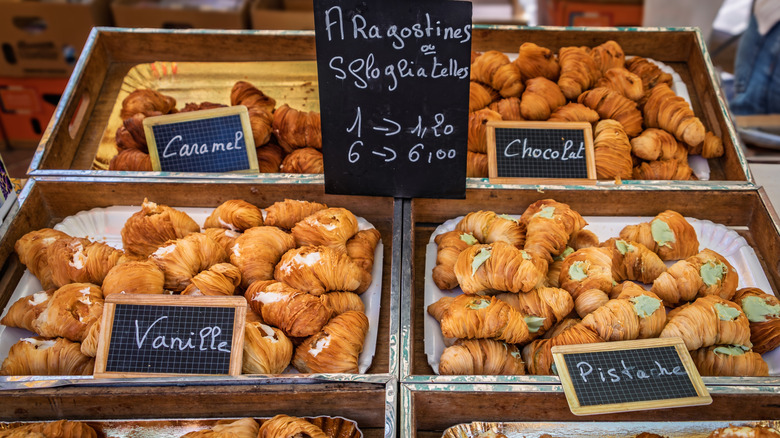
Sfogliatelle will brainwash you into thinking flaky, laminated croissants should always be filled with a semolina ricotta cream, perfumed with vanilla and orange. Shaped like a cone with what looks like an infinite number of cascading, crispy layers, sfogliatelle are as mesmerizing to look at as they are to eat. These pastries are an icon in the Naples culinary scene, perfect to snack on while walking the streets in the sun.
While most viennoiserie like croissants and danishes are laminated with butter, sfogliatelle are made with lard. The fat is smeared over extraordinarily thin, nearly translucent dough, which is then rolled up into a log and sliced into coins. These dough rounds are then massaged into a cone shape, the layers of lard and dough intact, perfect to fill with the sweet ricotta mixture and bake. Like many timeless sweets in human history, sfogliatelle are said to have been created by a nun who accidentally created these flaky delights.
10. Frittatina di pasta
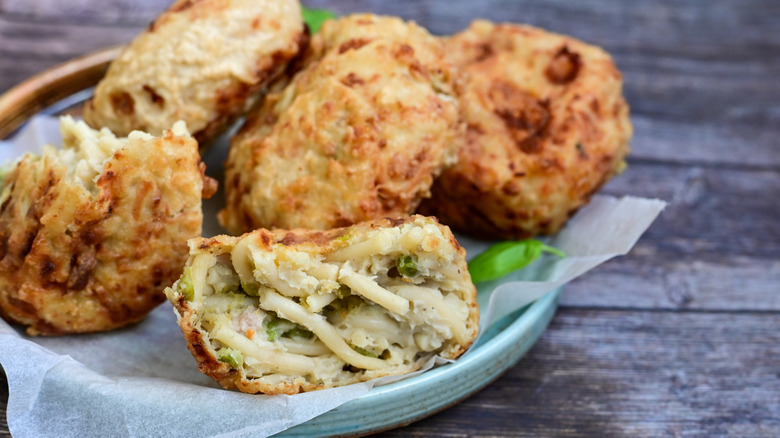
One of the best Italian pasta dishes you've probably never heard of is — surprise, surprise — something breaded and fried, which seem to be two prerequisites for outstanding Italian street food (we're not complaining about it). Frittatina di pasta is, as its name suggests, a type of pasta fritter or omelette. This is an ingenious way of using up leftover pasta, which is combined into small balls or patties along with eggs, some ham or pork, peas, or any delicious tidbits from the previous night's dinner.
The base, most often longer pasta like spaghetti, may also be bound together with a béchamel sauce. However, these pasta fritters aren't just mush on the inside; perfectly al dente pasta gives frittatina di pasta a wholesome, attractive chew amidst the oozing cheesiness. These little snacks, not unlike their rice counterparts arancini, practically gush out of the food stalls in Naples.