

Why This Chicken Chain Quietly Changed Its Recipe
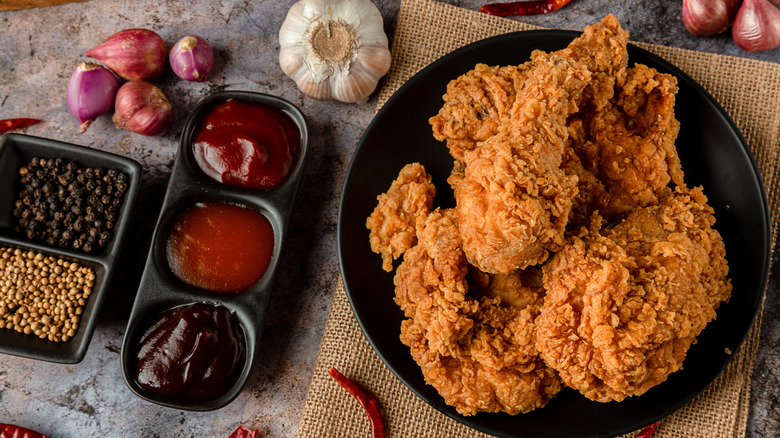
For an establishment to be considered fast food, consistency is key. Subsequently, even a single tweak in a recipe can result in industry shockwaves. For instance, Arthur Treacher's swap from fried cod to pollock resulted in hundreds of outlet closures — while, conversely, Domino's 2009 pizza recipe redo helped improve business. In 2024, fried chicken giant Church's Texas Chicken quietly undertook such a recipe rework, too.
In response to slowing sales – accompanied by reports of bland-tasting poultry — the Atlanta-based company reverted to the initial 1952 recipe. The company implemented the change intentionally for an extra bold flavor, turning to a straightforward yet pungent seasoning of alliums mixed with salt and pepper. The chicken is marinated for an extra-long duration before going through a manual battering and double-breading process.
Aimed to create chicken with a more moist interior, yet crunchy and extra flavorful exterior, the resultant culinary experience has been seemingly popular, with a few fans claiming Church's is now better than its competitors. However, there's also a sprinkle of tasty storytelling at play. The move serves to reinforce the brand's original San Antonio roots, reaffirming a nostalgic Texan spin on fried chicken. In context with initiatives like the 2019 integration of Texas into the Church's Chicken name, it's a rework meant to sell an authentic narrative.
More on Church's Texas Chicken pivotal recipe change
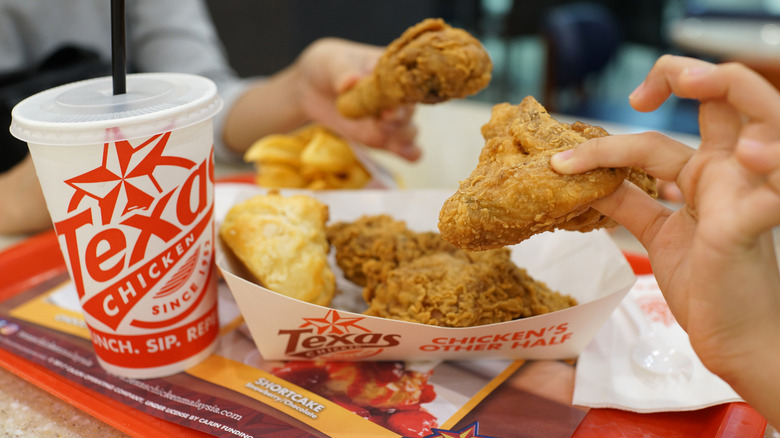
George W. Church started Church's Texas Chicken in 1952, serving fried poultry from a famed stand right by the Alamo. By the late 1970s, the eatery had already grown into an international chain. As of 2025, you'll now find over 1,400 locations operating worldwide. Expectedly, the recipe has been modified since inception, with a particularly noted shift occurring in the 1960s. So while not the most affordable fried chicken chain (an honor that goes to KFC), Church's has nevertheless carved its own niche of spiced crispy poultry paired with comforting Southern-inspired sides.
All in all, a recipe modification that stretches back seven decades to its origins is a brave and momentous decision. The updated recipe debuted across all U.S. locations, with customers picking up on the shift. Unfortunately, not everyone is thrilled with the change. "It tastes NOTHING like it used to," noted a disappointed Reddit user. Complaints range from a flaky texture to a greasy consistency. The chicken "not only has it lost its spice, but also its flavor," stated a poster on a different Fried Chicken-focused Reddit thread. Nevertheless, restaurant fried chicken always tastes better than homemade, and plenty out there do like the change, making the chain's rendition worth a try.