

The 1992 Pepsi Contest That Caused Chaos And Death Over The Number 349
Sure, Pepsi's decades-long rivalry with Coca-Cola is notorious, but the brand has also built a reputation for launching some of the most outrageous marketing contests in advertising history — and they don't always go to plan. The most infamous example is perhaps the 1992 "Number Fever" scandal, a controversy so severe that it makes even PepsiCo's most massive recalls and legal battles — such as the 2025 price-discrimination lawsuit — seem minor in comparison.
Also known as the 349 incident, the Number Fever contest was a lucrative marketing campaign that took place in the Philippines. The competition was a massive hit, and nearly half of the country participated. The premise of the contest was simple: Participants would match a three-digit number on the inside of their bottle caps with the winning number announced on TV each day. Everything was going smoothly until a single computer glitch changed everything. The error led to 800,000 bottle caps being printed with 349, the grand prize-winning number. The prize was a whopping 1 million pesos, which was about $40,000 at the time (or roughly $94,600 in 2026, when adjusted for inflation).
When people went to collect their prize and realized that they, along with hundreds of thousands of others, had supposedly won, public outrage erupted. Pepsi's response did little to calm the situation. The company initially attempted to change the winning number, but by then the damage had already been done. What began as protests and boycotts quickly escalated into violence. Executives were threatened, warehouses were set on fire, trucks were bombed, and grenades were thrown into company offices. In the chaos that ensued, five people tragically lost their lives.
Pepsi's 349 error sparked years of lawsuits and satire
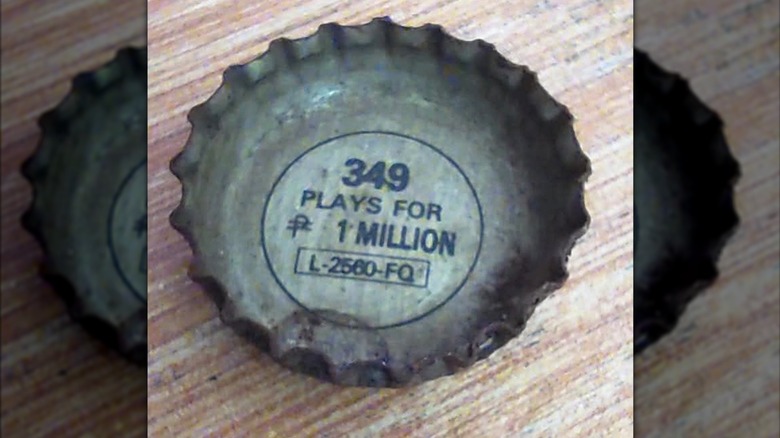
The Number Fever scandal left Pepsi facing a staggering potential liability of $32 billion, an amount that could have destroyed the company. When the crisis first erupted, Pepsi attempted to contain the backlash by offering a payment of around $18 to anyone holding a bottle cap with the winning number, a far cry from the original grand prize. Nevertheless, hundreds of thousands of people accepted this offer, which cost the company approximately $10 million. However, the gesture failed to satisfy many other winners who believed they had been denied their rightful prize.
In the aftermath, 22,000 individuals filed lawsuits against the company, including thousands of criminal complaints for fraud and deception. The company was also fined 150,000 pesos by the Department of Trade and Industry for violating its promotional conditions. While some plaintiffs were initially awarded damages, the legal battle dragged on for years. It was not until 2006 that the Philippine Supreme Court finally brought the dramatic saga to an end after 14 long years, ruling that Pepsi was no longer liable for any further damages.
On a lighter note, in 1993 the Pepsi-Cola Company of the Phillipines was awarded the Ig Nobel Peace Prize, a spoof award for "bringing many warring factions together for the first time in their nation's history." On top of that, the event left a lasting cultural mark in the Philippines, with the term "349ed" becoming a popular slang term for being hoodwinked.