

Fine Dining Restaurants Avoid This Steak For A Snobbish Reason
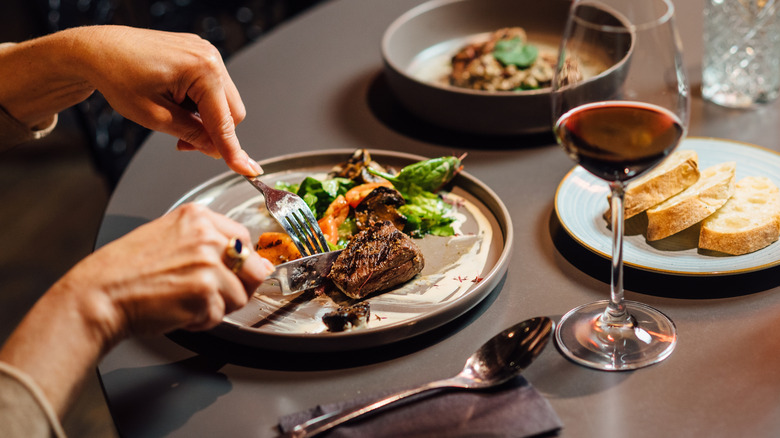
Opposed to other restaurant types, fine dining operates in its own lane. Entailed intricacies range from particular dining etiquette rules to the food that ends up on the plate. It's a distinct approach to cooking that even impacts what kinds of steak end up on menus, too. So to help explain the beef predispositions of haute cuisine, Food Republic is fortunate to have spoken to Dennis Littley, Chef and Culinary Expert at Ask Chef Dennis.
"The fine dining crowd may bypass sirloin as a result of being leaner," he said. Indeed, the cut doesn't contain the intense marbling of ribeye or New York strip, nor does it come naturally tender and delicate like filet mignon. Furthermore, a sirloin doesn't visually stun quite the primal tomahawk or the aesthetic t-bone, leaving the cut out of fine dining spectacle. Instead, sirloin cuts are an underrated cut of steak. "Sirloin has an amazing amount of beefy flavor[,] and if done properly, it will hold its own," Littley explained.
So while often reserved for kebabs or as a lean ground beef, sirloin's reputation as a difficult steak is unwarranted. Excluded due to its affordable associations, such an image likely emerged by way of fine-dining customers, rather than cooks. "Chefs are more concerned with consistency and the ease of preparation under high pressure," explained Littley. So if you do see sirloin on a menu, keep such trends in mind; the steak might still be your personal dining highlight.
How to prepare sirloin steak to a fine dining caliber
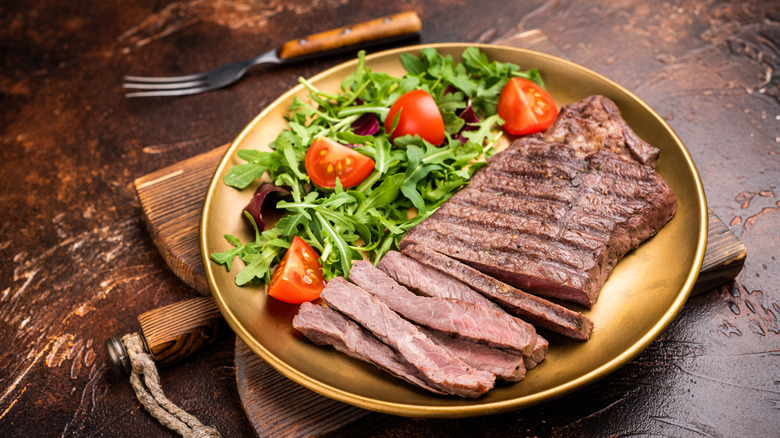
In part, sirloin's misunderstood status might come from nomenclature. Rather than a particular cut, the name refers to an entire subprimal, located at the top back of the cow. This region of meat is then traditionally butchered into the top and bottom sirloin — the tougher underside typically reserved for roasts, the upper part for steaks. Yet from these regions, Dennis Littley noted that specifically top sirloin and tri-tip draw intrigue and garner more respect, since "they are extremely versatile and have incredible flavor."
Such cuts can be "cooked by searing them, grilling them, or even marinating them," he said. With the right approach, sirloin packs a fine dining pedigree even achievable at home. Largely, the major difference when cooking sirloin versus ribeye and other marbled steaks comes down to fat. Subsequently, sirloin steaks necessitate an extra keen attention to detail, as both a lack and excess of cooking time result in toughness.
Yet lock in temperature control to a tee, and the cut's uber-beefy taste shines. Littley recommended to "sear or grill the sirloin at very high heat[,] so you get a nice thick, caramelized crust," with an optional pan sauce for flavoring. All the while, it's critical to check internal temperature carefully — Littley recommended cooking to medium rare — then give the meat a crucial rest. A bite will reveal the cut's upscale potential. "While tenderness is important, it is not the only measurement of a quality steak," summarized Littley.