

The Retro Stuffed Italian Pasta That Hardly Makes It To US Menus Nowadays
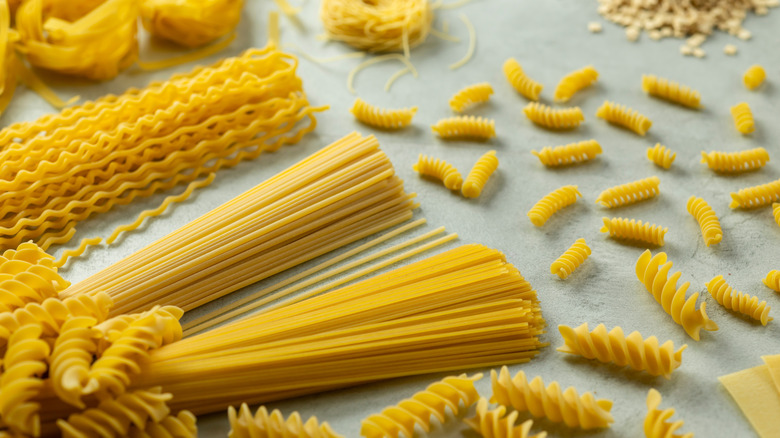
One of the most famous exports to come out of Italy is pasta. You've got the classics like spaghetti and penne, to the stuffed varieties such as ravioli and tortellini. Each shape is designed to pair perfectly with different sauces and regional traditions, and one wonderful Sardinian pasta that doesn't get as much love as it deserves is culurgiones, a ravioli-like stuffed pasta.
Sitting off the western coast of Italy, Sardinia is an island famed for its pristine beaches and rugged landscape. It's also well-known for its distinctive food culture, with unique offerings such as malloreddus (Sardinian-style dumplings), the most dangerous cheese in the world, and hosting the rarest pasta in the world. Culurgiones are another example of Sardinia's distinctive food culture. On the Italian mainland, most stuffed pasta is typically filled with ricotta or meat. In contrast, culurgiones are stuffed with mashed potatoes, then mixed with pecorino cheese and fresh mint (though ingredients can vary by region). Further distinguishing culurgiones from other stuffed pasta varieties is their distinctive hand-pleated closure, known as spighitta, meaning "little ear of wheat," which is a nod to the pasta's grain-like appearance.
Unfortunately, culurgiones are much less common in the USA than more popular pasta dishes like Roman-style carbonara or Sicilian pasta alla norma. This is largely because Sardinia is culturally distinct from mainland Italy, with its own unique traditions and language. As a result, Sardinian cuisine is often underrepresented abroad, and mainly exists as its own isolated niche within Italy. With that being said, there are some Sardinian restaurants in the U.S. where you can grab a bite of culurgiones — you'll just have to look a little harder for them.
Regional varieties of culurgiones
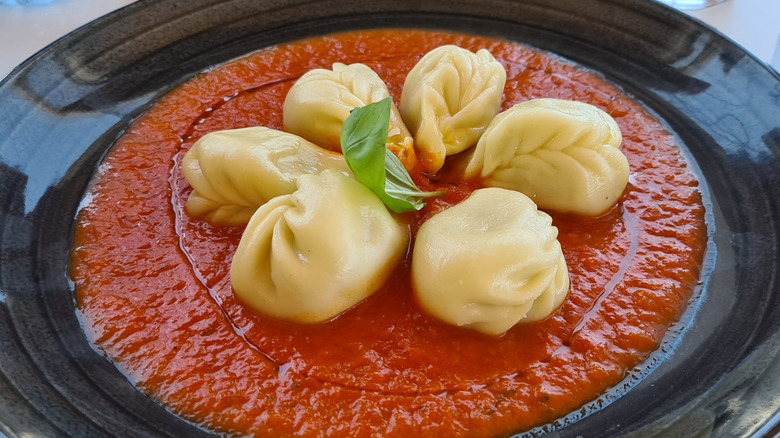
Sardinia is a big island, and comes second in size in the Mediterranean Sea, following Sicily. Within the island, there's a wide variety of regional differences in food. Culugiones are no exception to this. The benchmark recipe is culugiones d'Ogliastra, which features the classic filling of potato, pecorino, and mint. Other varieties can vary from town to town. For example, the locals of the town of Tortoli add onions to the filling, while those living in Arzana prefer a cheesier filling. One of the most notable regional varieties can be found in Gallura, who add a bright, citrusy note to their culugiones by adding orange zest.
While the recipe varies by region, its historical origins remain unchanged and are deeply rooted in the history and traditions of Sardinia. Traceable to the early 1800s – though believed to be much older – culugiones have long been used as good luck charms, with wheat being a deep-rooted symbol of prosperity in Sardinian culture. With its positive symbolism thanks to the spighitta fold, it's no surprise that culugiones are commonly served at communal family gatherings and important holidays.
The most traditional way to serve culugiones is in a tomato sauce with a generous helping of pecorino cheese grated on top; although, they can also be served in bianco, which means without any sauces and just a drizzle of olive oil or a sprinkle of pecorino for garnish. While you can make them at home, be aware that the spighitta folding technique is famously difficult to master.