

Don't Make This Salsa Mistake When Making Tacos
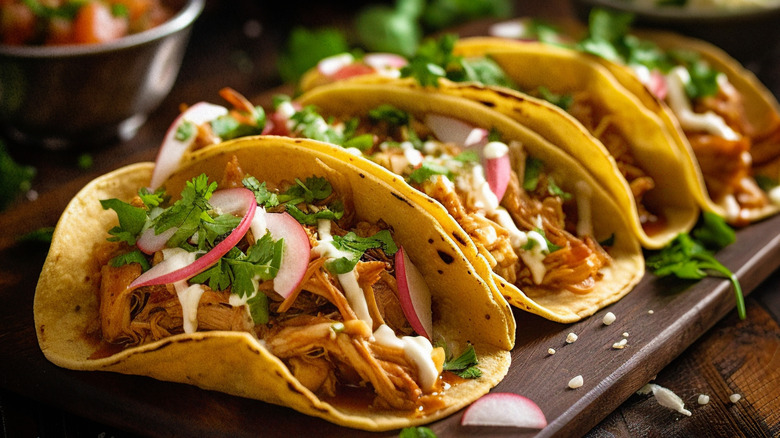
Salsa is a non-negotiable in tacos, rounding things off by adding bright acidity and freshness. But there are several mistakes you can make when creating tacos, like adding too much salsa, which can throw off the entire flavor profile of your meal. To learn why, Food Republic spoke with chef José Luis Chávez, co-founder and executive chef at Éxodo, responsible for Matilda and Ayayaymex.
"Some salsas can be very spicy or overly acidic," Chávez explained, which can disrupt the balance of other elements within the taco. Citrus, vinegar — even tomatoes and tomatillos — carry an acidity that can cut through the richer flavors of the meats, while chiles add heat and complexity. In moderation, they're welcome additions, but too much can make the tacos one-note. Also, salsa ingredients are very liquid-heavy, which can have your tortilla going from soft and chewy to soggy and mushy. This will have your tacos falling apart before you've had a chance to enjoy your first bite.
"The most important step is tasting before serving," Chávez told us. Once you've tried your salsa, you can adjust ingredients to balance its spiciness. You can easily add more tomato and chiles to your salsa, but once they're in, it's much trickier to take them out. To make your salsa less watery, strain your tomatoes beforehand or add a thickening agent like cornstarch. Remember, "While personal preference always plays a role, salsa should act as an accompaniment, not become the main event," Chávez noted. "Salsa should support the bite — not overpower it — and allow the corn tortilla and the protein to come together harmoniously on the palate."
The best salsa and protein combos
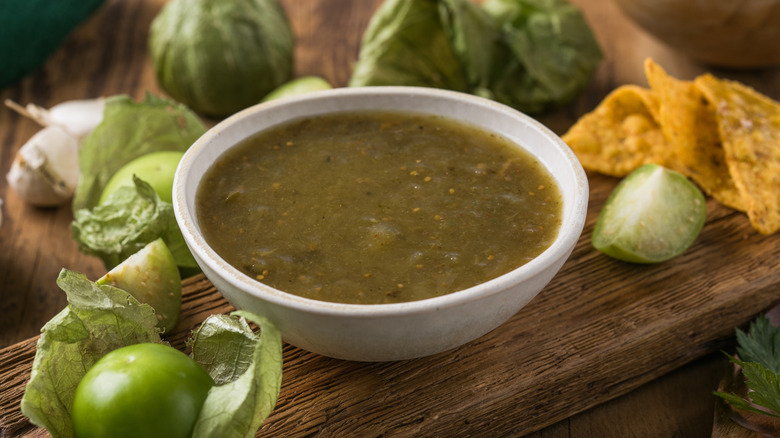
There are plenty of different taco varieties out there. You've got the fall-apart tender barbacoa, or the smoky, roasted flavors of cochinita pibil. There's also a wide variety of salsa varieties, too. There's raw salsas, made by chopping and mixing fresh ingredients; blended salsas, where raw or roasted ingredients are blended together; and creamy salsas, which are made by emulsifying these blends with dairy, oils, or even avocados. With so many different options out there, it's no surprise that some tacos pair better with certain types of salsas.
According to chef José Luis Chávez, one must-try combo is carne asada and salsa verde. Carne asada is a smoky, grilled beef — while salsa verde blends tomatillos, onions, green chiles, and herbs into a bright, tangy sauce that cuts through the rich grill flavors of the beef. Its punchy flavor, however, is exactly the reason why salsa verde isn't always the right move for fish tacos. Its strong tang can overpower the more delicate, mild flavors of the fish. Instead, a classic fish taco would benefit more from a lighter salsa, like pico de gallo or a fruity, pineapple- or mango-based salsa.
To simplify things, Chávez provided us with a simple guide for salsa and taco pairings. "It's all about matching intensity and texture so nothing feels out of place," he explained. For example, "Roasted salsas tend to pair well with pork or slow-cooked meats, adding depth and smokiness." Think, fire-roasted tomato salsas served with carnitas or barbacoa. On the other hand, "Creamy salsas are great with fried or crispy proteins, helping balance texture and spice," he noted.