

The Old-School Dumplings That Are No Longer Common

Chicken and dumplings ranks pretty high among the vintage soups your grandparents probably made, but what about their grandparents? Back when hunting was something you could do by stepping out your back door and many people kept small livestock on their property, a dish of rabbit and dumplings was a deliciously common meal.
If you've never tried it before, rabbit meat actually tastes more earthy than gamey, with a texture similar to dark meat chicken. Its almost extreme lack of fat makes it incredibly lean, so it keeps soup stocks from becoming greasy. When you combine its protein-laden meat with rich, filling dumplings, you get a comprehensively satisfying meal that's perfectly rounded out by dicing up whatever vegetables you have on hand. This dish was particularly vital during the Great Depression, as rabbits are one of the few delicious animals you can reliably lay traps for, further reducing the work it took to feed your family.
Nowadays, it's far more common to see rabbit meat at upscale restaurants or in gourmet grocery stores than feeding rural families. Public perception played a major role in this, as it's more difficult for the general population to see an animal that's sometimes a pet as food. Still, rabbit isn't always the best meat to produce at a large scale, so most producers in the 21st century either raise them as part of homesteading or on small, dedicated farms serving specialty food suppliers.
More reasons rabbit meat has fallen out of vogue
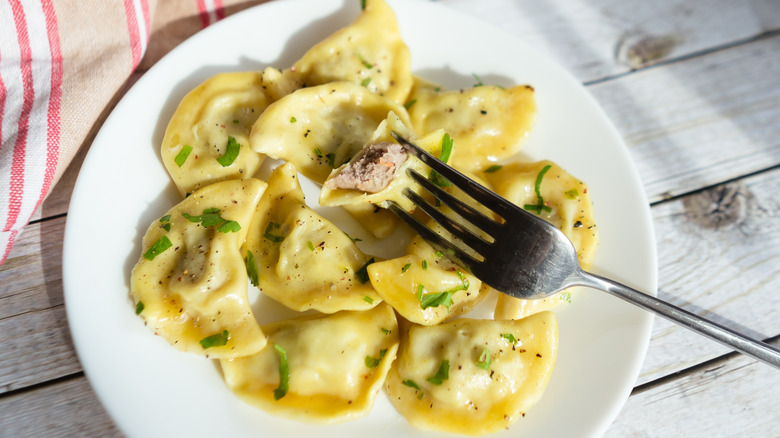
If a meat is lean, full of protein, and delicious, it makes sense that it'd be popular, right? In addition to people feeling uncomfortable eating Thumper, there are a couple of real-world reasons it's no longer a common meat.
Rabbit used to be one of the most affordable forms of protein out there, but as time went on, a major factor worked against them: Feed Conversion Ratio (FCR), which refers to the number of pounds of food required to make an animal gain a pound in size. As pigs, cows, and chickens were bred to get bigger and grow faster, their meat became more affordable largely because they didn't need to be fed as long. This eventually tipped the scales in their favor, replacing rabbit as a common, cheap source of protein — even if it led to some issues like woody chicken breasts.
On top of this, rabbits do very poorly in large-scale farms for two reasons: They're neurotic and prone to disease. Rabbits are extremely social animals and don't do well in small spaces, in some cases even eating their young or fighting when they get stressed. Rabbits raised in captivity are also quite prone to infectious enterocolitis, or intestinal inflammation. They require cleaner environments than most livestock, which only increases the costs of production. Between a lack of public demand and higher operating costs, rabbits ultimately just didn't catch on as a 21st-century meat animal.