

How To Fix Soup That's Too Sour

Various factors can make your comforting soup recipe turn sour as you cook it. Unless you were preparing something like an authentic Chinese hot and sour soup, it's probably not the flavor profile you were aiming for. Not to worry, though — some expert hacks can de-sour that soup in a hurry.
For the inside scoop on fixing sour soup, Food Republic spoke with David Davidov, recipe developer and founder of The Cooking Foodie. He shared that some go-tos for cutting sourness are adding fat, sweetness, or starch. The best approach depends on the cause of the sourness.
If you're battling vinegar-based sourness, you need to "dilute with broth or add fat," Davidov shared, such as cream, coconut milk, olive oil, or butter. If your soup has soured due to an overabundance of fermented ingredients, like kimchi or sauerkraut, "counter with fat and sweetness together for balance." Sweet ingredients can be pantry staples like sugar or honey, or you can shred a sweet apple or incorporate some other kind of fruit or its juice, depending on what will pair best with your soup's flavor profile. Even caramelized onions can do the trick, Davidov noted. For tomato-derived acidity, "a pinch of sugar or grated carrot works best," Davidov instructed. For acidity resulting from lemon, "add a little sweetness or starchy vegetables," like potatoes.
Adding too much of something and failing to taste as you go are often the causes of imbalanced flavors. So, don't make the same mistake in reverse while attempting to undo overt sourness. For instance, don't simply dump a large amount of sugar and think you've solved the problem. Start with small amounts of your antidote, add the ingredient gradually, and taste as you go.
Diluting sour soup
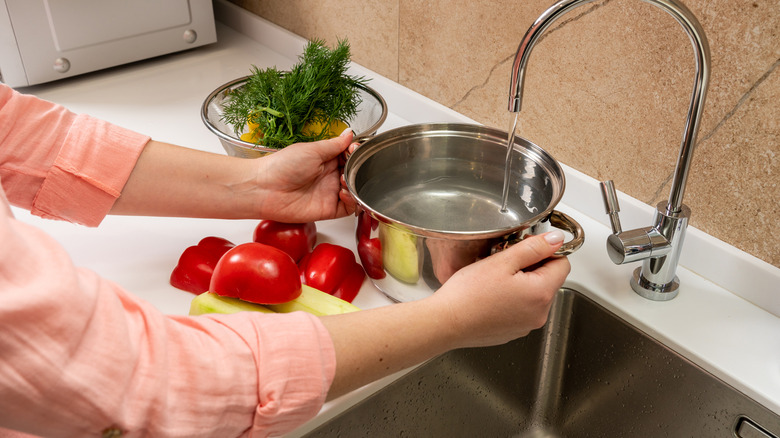
If your soup is just too sour, acidic, or bitter and counteractive additions aren't enough to fix it, diluting the soup with broth or water can still save the dish. "Dilution is best when the sour component is overpowering the other flavors entirely," David Davidov detailed. "If the acidity is so strong that no amount of sweetness or fat helps, adding broth or water resets the flavor balance[,] so you can season again from zero." Incidentally, this flavor reset is also the simplest way to save an overly salty soup, diluting the excess sodium with liquid.
Once again, in diluting your sour soup, don't pour in a large amount of water or broth as a knee-jerk remedy. Add a little at a time, and be sure to taste as you add. If it ends up requiring a large amount of liquid to even out that overpowering sourness, you'll also likely need to add in a balancing amount of the other soup components to keep the dish from being broth-heavy. For instance, if you're making a vegetable soup, you should chop up some more veggies and add them in to keep things even — and don't forget to up your spices, too. The good news, though, is you'll end up with more delicious soup to enjoy!
Some further good news is that certain antidote ingredients make great soup components on their own, sourness aside. They can be great aids if you end up needing to add a lot of extra liquid. Rice and noodles, for example, can simultaneously help combat acidity while adding more substance to your dish.
Preventing sour soup to begin with
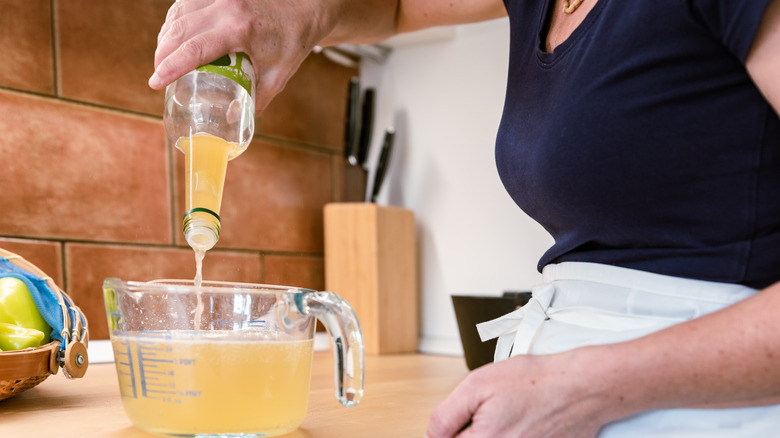
Having handy remedies to fix a botched soup is certainly a relief, but there are measures you can take to prevent an overly sour taste from developing in the first place. Understanding what causes soups to go sour can help you avoid making such mistakes when you cook.
Various missteps can lead to an unsavory flavor, such as "[leaving] acidic ingredients to cook too long, using old or over-fermented stock, adding tomato paste early and letting it burn, or storing soup improperly[,] so it begins to ferment," David Davidov explained. "Also, adding lemon juice at the beginning can create bitterness and sourness[;] always add citrus at the end, off the heat."
Certain types of ingredients are also more prone to overpowering a dish, so being aware of their tendencies can help you avoid having a single add-in sour your entire pot. For instance, if you're incorporating vinegar, it's definitely an ingredient that can fully upgrade your soup, but you need to be careful which type of vinegar you use. Distilled white vinegar is highly acidic and much sharper than mellower varieties, like apple cider vinegar or balsamic, so it needs to be used sparingly and with prudence. Vinegar also tends to get stronger during the cooking process, so, like lemon juice, it should be added near the end of your cooking, not at the beginning.
Bitter greens are another component that can overpower soups and give them an undesirable flavor quicker than you can say "broccoli rabe." If you're using a bitter green in your dish, taking some advance precautions, like blanching it before adding it to your soup, can help tone down the bitterness.