

9 Creative Ways To Use Mustard In Everyday Cooking
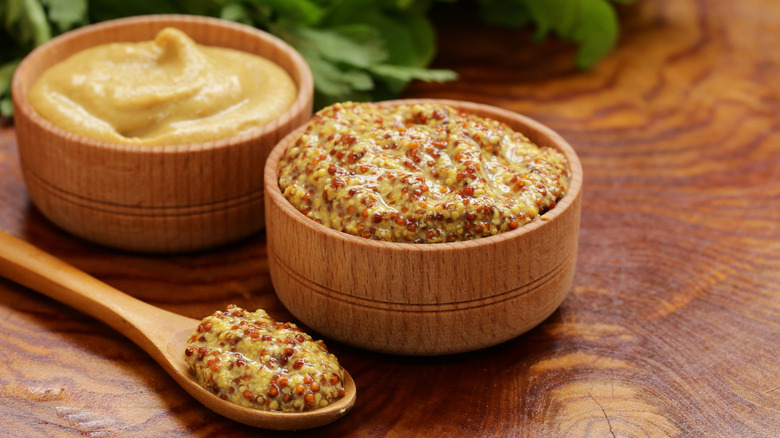
When the word mustard pops up, most people's minds go directly to hot dogs and hamburgers. But it's far more than just the pantry staple we all know. There are a multitude of mustard varieties, like Dijon, whole grain, and spicy brown, each adding varying levels of tang, sweetness, and acidity. Possessing all of these different attributes and flavor profiles opens the door to many creative uses.
Indeed, the more you cook with mustard, the more you start seeing its versatility. Being both an emulsifier and acidifier, it aids in bringing together sauces and ensuring heavy dishes have a balanced taste. That makes mustard a problem solver in the kitchen, but it has further applications for meats, cream sauces like béchamel, and even desserts. Similar to balsamic vinegar and olive oil, mustard should be a core ingredient in your kitchen due to its range of uses. Let's look at a few clever and creative ways to employ mustard to improve everyday cooking.
Use Dijon mustard to emulsify vinaigrettes
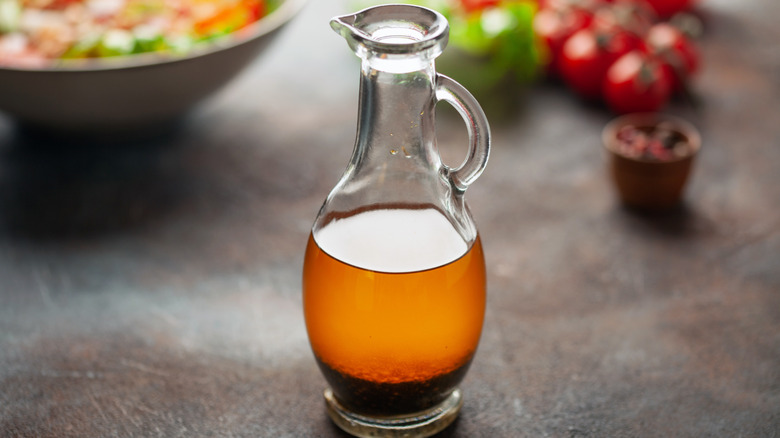
Mustard has glue-like properties when in a dressing. Because mucilage is found in mustard, this polysaccharide helps thicken liquids and absorb excess water. With these emulsification qualities, mustard keeps the oil and vinegar from separating when used in a vinaigrette. This is the difference between your vinaigrette sticking to your leafy greens and pooling at the bottom of your bowl, and one of the reasons why many people use honey mustard-based dressings in their salads.
When looking to pick a mustard for a vinaigrette, there are two routes to take. Dijon mustard works best if you want to add a strong taste due to its slight kick. It is the middleman that can bridge the fattiness of the oil and the bite of the vinegar while adding flair. If your focus is more on texture and consistency, whole grain mustard works best because it has the most mucilage and is the best emulsifier of the bunch. You can also try mixing both, like Ina Garten does.
When assembling your vinaigrette, start with about one tablespoon of Dijon to every quarter cup of olive oil and a tablespoon of white balsamic vinegar. Whisk until unified, then season to taste (salt and pepper usually do the job). If you want to give it some personality, add honey for sweetness or lemon juice for brightness. You can really play around with it and let your creativity show.
Mustard works as a tenderizing base for marinades
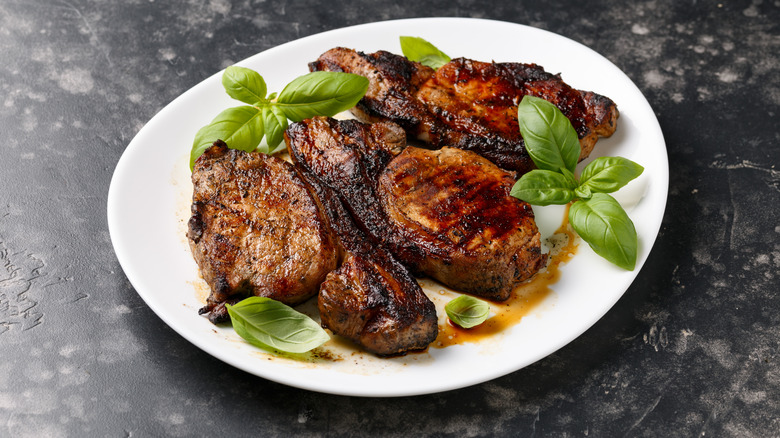
The vinegar and salt in mustard helps break down surface proteins on meat, tenderizing it while allowing seasonings to penetrate deep. Mustard also works like glue for seasonings. If you have ever made ribs, you've likely heard of using mustard as a binder. This just means it allows for seasoning to cling to the meat better and not fall off during cooking. Even in a simple, flavor-packed three-ingredient marinade, there's no need to worry about the mustard overpowering the dish — the taste mostly cooks off, just leaving you with seasoned meat.
Mustard works across proteins, but shines with pork and chicken. When using mustard in a marinade, start with equal parts olive oil and mustard to create a paste-like consistency. After that, add salt, pepper, garlic, and whatever herbs you like. Mix this together and rub it through your meat of choice. Let it rest for 30 minutes to 2 hours. This allows the marinade enough time to properly tenderize and season the meat. When using it on pork, adding a hint of sweetness can really complement it.
Add Dijon to mashed potatoes for a savory twist
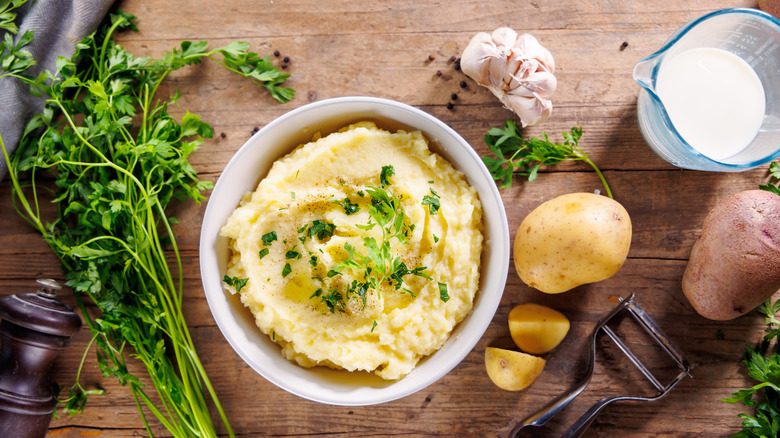
Mashed potatoes have earned the pedigree of being a staple side dish. They can, however, grow one-dimensional — smooth and indulgent, but missing that special something. Dijon mustard is a fun way to fix this through its ability to cut the heaviness of the dish. It does this all while adding just enough brightness to wake up your taste buds. That comes from the mild heat and acidity of Dijon. It lifts the flavors while adding layers to the dish. You get the creaminess up front, then a wave of seasoning, and finally the gentle, sharp, savory finish of the mustard. Once mixed, the mashed potatoes don't taste overly mustardy, instead taking on a faint tang that gives the dish a quiet upgrade — one that makes it feel restaurant-quality without losing its sense of comfort.
You do not need much either — roughly one tablespoon of mustard per pound of potatoes is plenty. While still warm, you want to gently fold the Dijon into the potatoes along with the butter and cream, ensuring everything melts together well, then season to taste. The dish allows for creativity as well. Adding roasted garlic, Parmesan, or chives adds a nice savory finish to the meal
Whip mustard into compound butter for added flavor
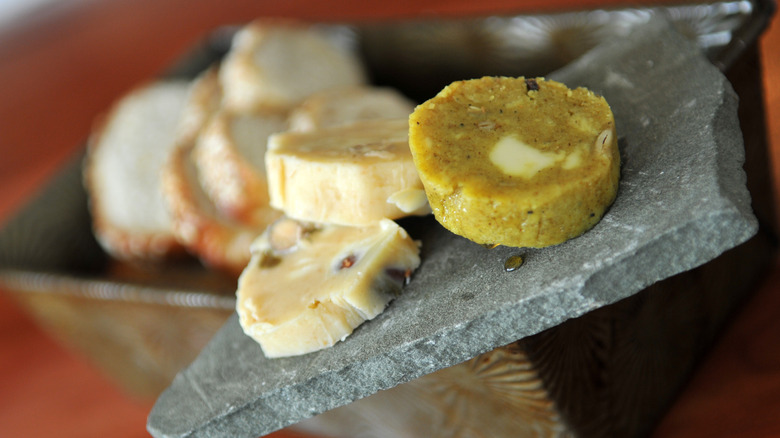
Mustard is not typically the first thing you think of when considering compound butter ingredients. It makes sense once you dive deep into it, though. When you mix mustard into butter, it adds flavor through its bright notes while also serving a functional aspect. Butter naturally breaks apart when melted during the blending of all the ingredients. Adding mustard to the mix with its emulsification properties helps pull everything back together. A unique trick that results in a unified stick of butter.
When making, add one stick (½ cup) of softened butter to about one teaspoon of mustard to form the base for the compound butter. From there, mix in the herbs and seasonings of your choosing — a simple but effective way to build a compound butter that goes well on steaks, breads, and vegetables is mixing together roasted garlic, thyme, black pepper, chives, and a touch of paprika.
Stir mustard into mac and cheese for tang and balance
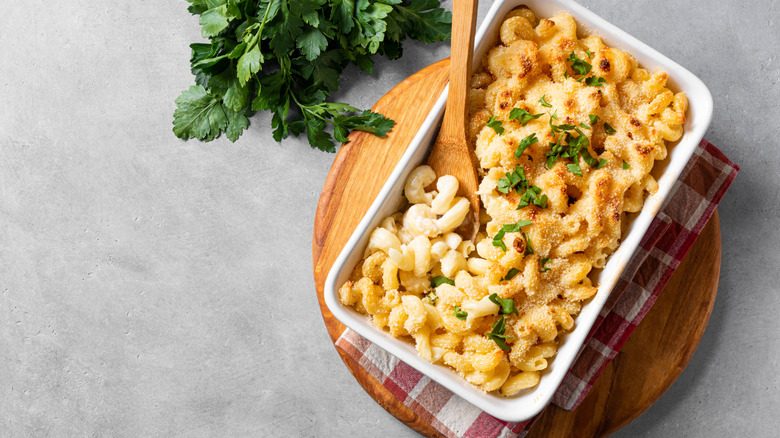
Few dishes are known for comfort like mac and cheese. Mustard works well with the dish due to the contrast it adds. The slight tang and brightness keep every bite from feeling too heavy, particularly if you're using a béchamel in your mac. When mustard is added to a béchamel sauce, it introduces just enough acidity to slice through the fattiness. That little touch brightens up the flavor of the cheese sauce, keeping it from tasting too flat or rich. Mustard's emulsifying properties also work here to keep the sauce together, leading to a creamier final product with an extra pop of flavor.
To incorporate this, add about one teaspoon of Dijon mustard per pound of pasta. Whisk it into the cheese sauce after it has just fully melted, but before you add the pasta in. The heat helps the mustard do its magic while not having the taste be overwhelming.
Add a spoonful of mustard to barbecue sauce for extra bite
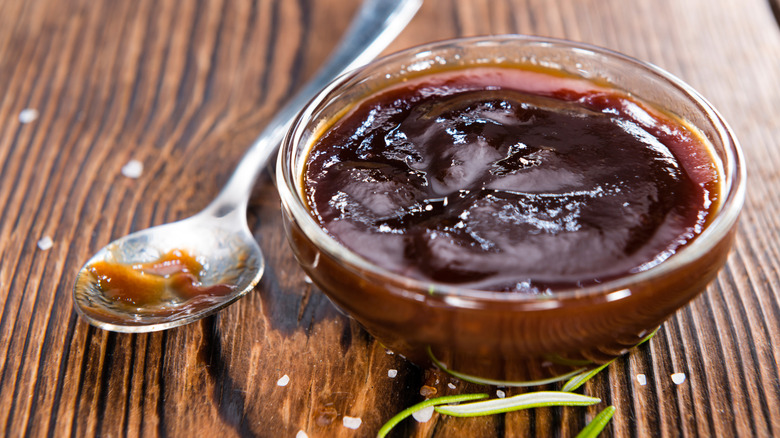
Store-bought barbecue sauces can sometimes miss that certain je ne sais quoi. To get closer to the bottled sauces you would find at a restaurant, adding a few extra ingredients can go a long way. When looking to elevate your barbecue sauce, mustard should be the first ingredient you consider. Barbecue sauce is naturally sweet and smooth. Mustard, with its depth and tang, creates a great partnership — especially Dijon and whole grain mustard. This is why there is a whole subgenre of mustard-based barbecue sauces like Carolina Gold. The lingering combination of kick and sweetness creates a more complex, satisfying experience.
When enhancing your barbecue sauce, combine about one tablespoon of mustard for every cup of barbecue sauce and simmer until everything thickens. If you want to add on to this, a drizzle of honey or a pinch of brown sugar adds some extra sweetness. If you want to go a spicier route, adding red pepper flakes provides a satisfying, subtly spicy aftertaste.
Use Dijon mustard to brighten cream-based pasta sauces
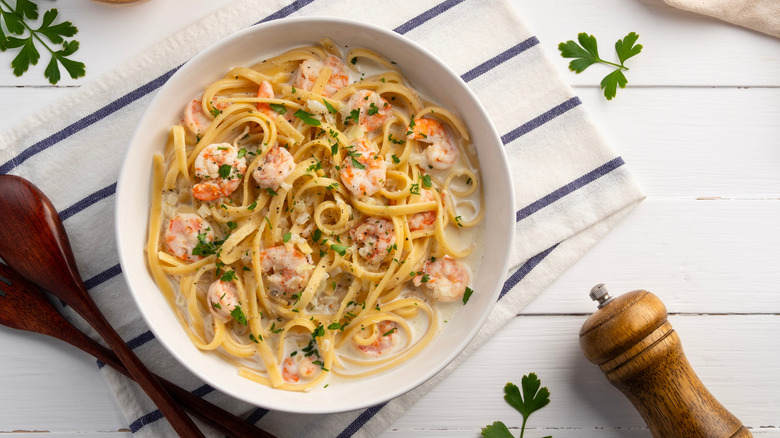
Mustard by no means has Italian origins, but can quietly lift a cream based pasta. Mustard enhances the flavor of a cream sauce while adding qualities that can turn it from a home cooked meal into a restaurant experience. As previously mentioned, when mustard hits a cream sauce, it both sharpens the flavor and brings the sauce together. The acidity especially gives the cream a boost, while its slight heat adds personality. Dijon works best for cream sauces because it is balanced enough to blend into the overall taste of the sauce but bold enough to create a noticeable difference. It does all of this without making the sauce taste mustardy. It incorporates more of a quiet zing, which uniquely plays well with the dairy in the sauce.
When making the cream sauce, whisk about a teaspoon of Dijon for every cup of sauce you plan to cook. You want to add the mustard once the sauce is near completion, giving it enough time for the residual heat to blend it together with the sauce. From there, add in your cooked pasta,
Add a spoonful of mustard to brownies for unexpected richness
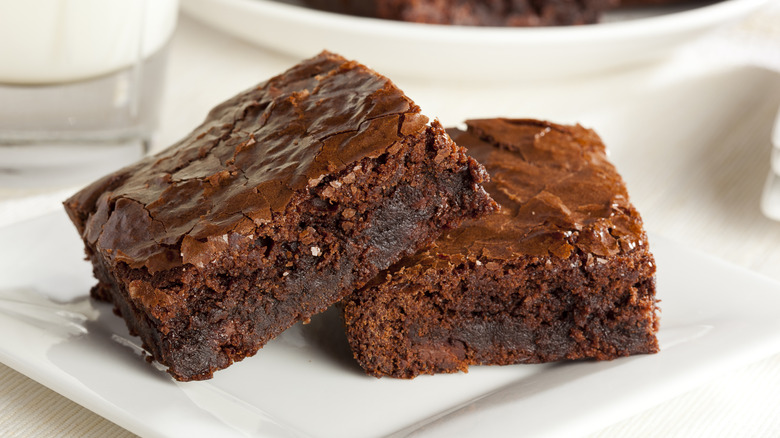
Brownies and mustard don't sound like the most natural combo. The funny thing is, though, that this small addition can make brownies taste extra-rich and deep. Brownies already have an earthy flavor, and a small amount of mustard can contrast that with its acidity. Think of it similarly to adding espresso, salt, or other secret ingredients to your brownies. This surprise flavor in a sweet treat adds to the experience.
Use a light hand since a little goes a long way. We want the mustard to complement the brownies rather than be the star of the show. In your next batch, follow the given brownie instructions. Once the batter is mixed, stir in a tiny amount of Dijon mustard and bake. The end result is a brownie that tastes more intentionally crafted, with a richer, more focused chocolate flavor.
Brush mustard on salmon before roasting for a crisp glaze
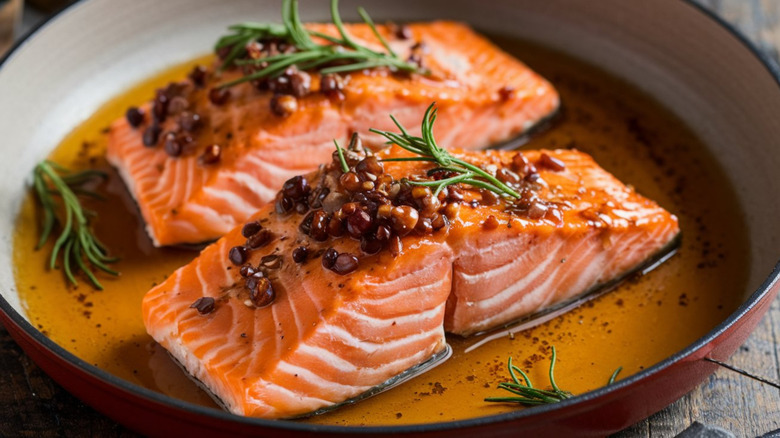
When mustard is roasted on salmon, it acts both as a glaze and a shield. It locks in the natural juices of the salmon, ensuring the fish stays moist and delicate. Furthermore, when exposed to heat, mustard forms a thin caramelized crust that both adds flavor and texture. Along with this, its flavor profile is a perfect match for salmon, light, a bit sweet, and savory. All of this while the acidity in the mustard simultaneously tenderizes the fish. When looking for which mustard to use, Dijon works best, but any variety will do.
For a balanced glaze, brush just enough mustard to coat the surface in a thin, even layer. You can even add a drizzle of olive oil to even it out. From there, season the fish however you would like, then roast until done. You can take this dish in a couple of different directions as well – add honey when creating the mustard mix to further caramelize the salmon and give it a sweet touch, or opt for a more savory route and take advantage of mustard's binding aspects by using it to create a breadcrumb and herb crust.