

Not Filet Mignon: The Budget-Friendly Steak Cut That's Surprisingly Tender
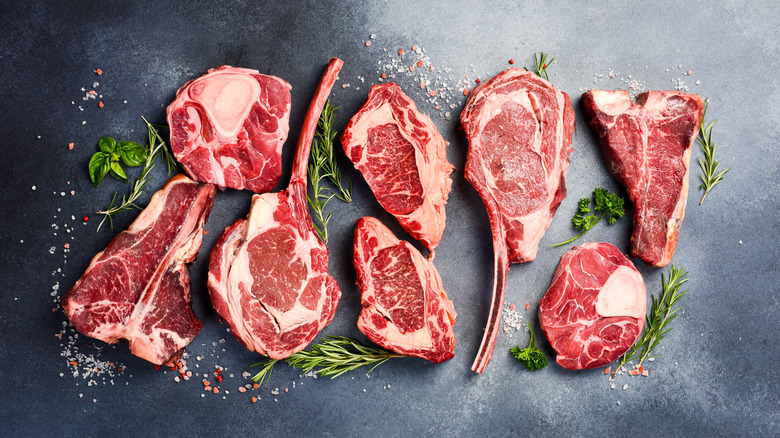
If you're looking for a steak that will quite literally melt in your mouth, filet mignon has you covered. There's really no arguing that this cut outdoes all others when it comes to tenderness, which has made it a fixture in luxury steakhouses all over the world. But that level of tenderness comes at a price — a very expensive one, to be precise. Since word is out about the wonders of filet mignon, if you're in the market for an exceptionally tender steak that won't leave your pockets empty, why not give sirloin filet a chance?
How tender a particular cut of steak is largely determined by how much work the muscle does during the cow's life. With this in mind, it might not seem like sirloin and filet mignon have much in common. Filet mignon is sourced from the tenderloin along the cow's spine, which does very little heavy lifting, making it extremely soft. Sirloin comes from the hip area, where muscles work harder, resulting in denser muscle fibers and a firmer chew. Hidden within the rear hip area is the sirloin filet, often cut from the center of the top sirloin. This hidden gem is widely regarded as one of the most tender and leanest cuts within the sirloin primal.
Although no cut of sirloin, not even the filet, can come close to the tenderness of a filet mignon, what it can do is save you money. On top of that, its denser muscle fibers give it a more pronounced beefy flavor than traditional filet mignon, which tends to have a milder, more subtle flavor profile. This makes sirloin filet an exceptional choice for anyone looking to strike a balance between tenderness and flavor without leaning too heavily one way or the other.
Tips for preparing and cooking the perfect sirloin filet
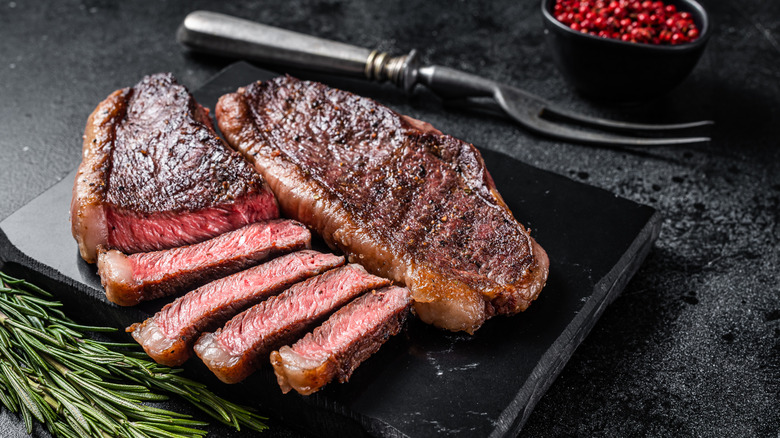
There are plenty of amazing steak cuts to choose from. Some are super forgiving to work with; think well-marbled options like ribeye, whose fat renders as the meat cooks, helping to keep it moist. Others aren't nearly as tolerant. Sirloin filet, or any cut of sirloin, sits somewhere in the middle of the spectrum, which means you'll need to proceed with a healthy dose of caution when cooking it.
To keep a sirloin filet juicy, we recommend salting it generously and leaving it uncovered in the fridge for a minimum of two hours, or even overnight. After it sits, the salt works its way into the meat and helps it retain moisture during cooking while also seasoning it more deeply. While this increases your chances of a juicy, flavorful steak, how you cook it is just as important.
You've probably heard this a million times before, but we'll say it again: Please, please don't cook your steak past medium. This is especially important for leaner cuts like sirloin, which can quickly become dry and tough when cooked well-done. To keep a sirloin filet moist and juicy, pull it off the heat at 130 to 135 degrees Fahrenheit for medium-rare. To help keep those juices where they belong, allow the steak to rest before cutting into it — otherwise, all those flavor-packed juices will come flooding out onto your cutting board.