

11 Cooking Staples You Should Stock In Your Freezer
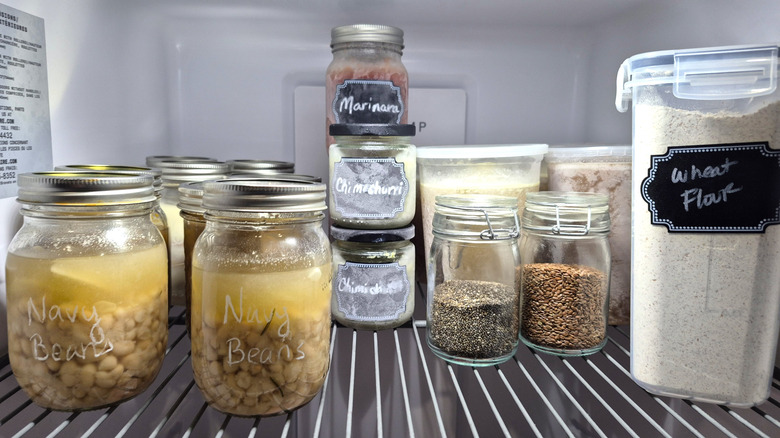
Cooking can often feel like a never-ending task, especially when juggling work, extracurriculars, or family. Add to that the time it takes to prepare the components of those dishes, and it can be exhausting. At least for us, that exhaustion can sometimes prompt more expensive choices, like buying the squeeze tube of roasted garlic at the grocery store or an $8 box of bone broth.
But there are actually so many ways to hack your kitchen processes and create a stockpile of ready-to-go cooking staples in the freezer. By bulk-cooking staples, doubling recipes you're already making, storing them properly, and making the most of every ingredient you buy, you can save energy, money, and time down the road.
You might be surprised by how many foods can be frozen and thawed without losing flavor or quality, making cooking simpler and less stressful, even in the busiest of weeks. With the right foundations at hand, home cooking can become more delicious while also saving time in the kitchen.
1. Roasted or confit garlic
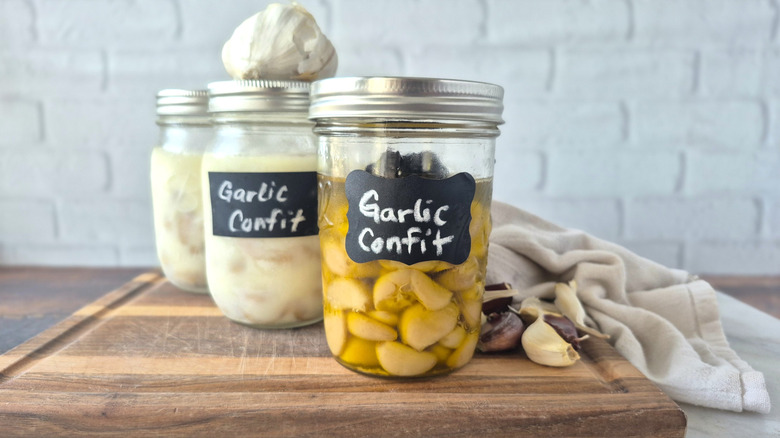
Slow-cooking garlic transforms a spicy, pungent allium into an intensely rich, buttery ingredient that packs so much flavor that even the most fantastic garlic bread can be made 10 times better. Unfortunately, both roasting garlic and making garlic confit are time-consuming and a tad tedious. We don't love peeling garlic, either!
A great solution is to tackle these slow-cooking processes in bulk. For easier confit, look for pre-peeled packages of garlic to skip the messy prep and grab enough to make a big batch. If you're more of a fan of roasted garlic, try using a muffin tin. It allows 12 heads of garlic to be roasted all at once.
Once cooked, extract the roasted cloves and lay them on a flat, freezer-safe surface. Freeze the cloves, then transfer them to a freezer-safe bag or container. They melt within moments of hitting a hot pan and can be used directly from the freezer.
Confit is especially important to store correctly. The combination of oil and garlic creates an environment that is unfortunately ideal for the growth of botulism. To prevent that, garlic confit must be refrigerated and used within two weeks, or be frozen for longer storage. Mason jars are great vessels, but only fill them to the shoulder to allow space for expansion and prevent cracking. It lasts a long time frozen, but use confit or roasted garlic within three to four months for best quality.
2. Caramelized onions
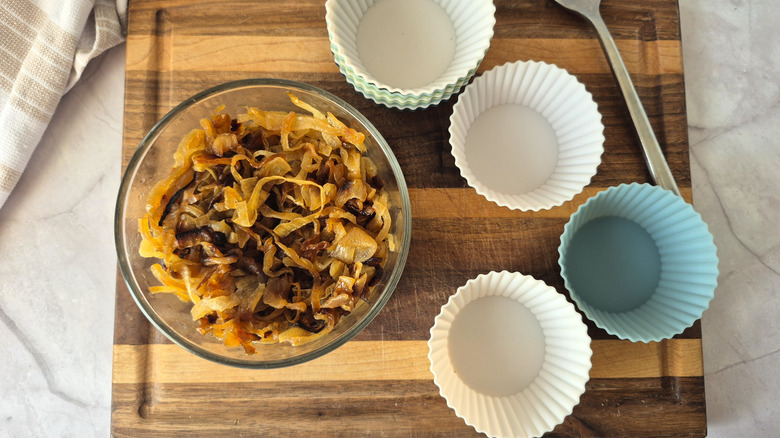
Standing over a pan of caramelizing onions is a labor of love. It begins with the teary-eyed work of chopping onions; to get a decent yield after they've cooked down, you'll need to chop at least half a dozen. Then, to properly caramelize the onions, it may take an hour or more. But if you're willing to put up with tear-stained cheeks and have a big, wide sauté pan, cooking a big batch at once and storing the extras in the freezer can significantly up your home-cooking game.
Caramelized onions do lose some texture once frozen and thawed, but they're perfect for adding intense umami flavor to tons of recipes. Whip them into a homemade aioli, add body to a rich soup, or layer them with a good Havarti and sliced beef for delicious French dips. To build your onion stockpile, freeze scoops of caramelized onions in single-portion servings. Ice cube trays, silicone muffin molds, or any single-portion meal prep container work well. Once frozen, use within three months for best quality, either from frozen or thawed in the fridge first. A word of caution: Freezing intensely aromatic items in a plastic container can leave a residual flavor that you may not appreciate next time you use it for ice cubes.
3. Marinara and other sauces
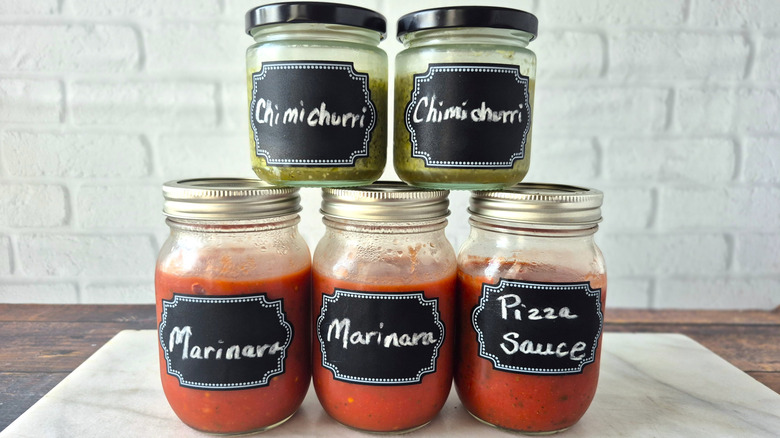
A quick and easy solution to building fast flavor in future meals is to always prep extra of whatever sauce you're making and store it in the freezer for next time. Not all sauces freeze equally well, but many hold up beautifully and thaw in the fridge while you go about your day.
The real key to freezer compatibility is the base of the sauce. Most sauces can be frozen for up to six months and thawed without any noticeable change to their texture or flavor. That makes freezing Bolognese, marinara, pizza sauce, pesto, and chimichurri great choices. Dairy, on the other hand, tends to get a little temperamental. While it is technically safe to freeze and thaw dairy, the process of freezing creates ice crystals in the milk. Then, upon thawing, the proteins can coagulate, creating a grainier, broken texture instead of the creamy sauce that went in. As much as we love a good Alfredo, for the sake of texture, that might be a sauce better made fresh.
For sauces you do freeze, you can use jars, bags, or even portion the sauces you use in small amounts into ice cube trays for quick additions to other meals. If freezing in containers or jars, leave room for expansion and freeze with the lids off to reduce the risk of cracking or splitting containers. When you're ready to use, let the sauces thaw in the fridge.
4. Stock or broth
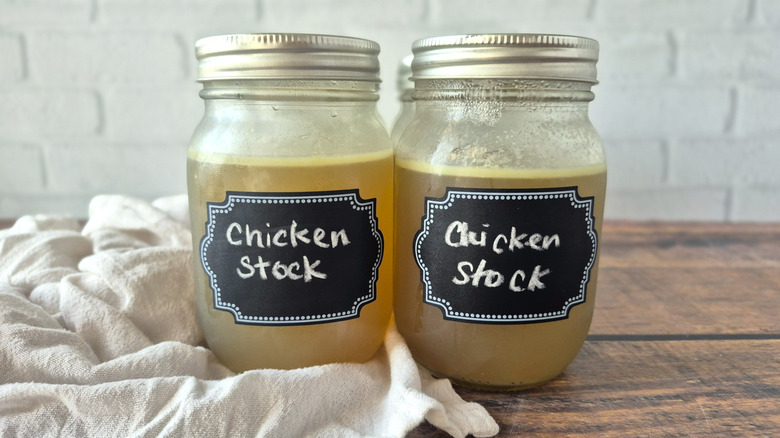
One of the biggest markups we've noticed at grocery stores in 2026 is on broth and stock. Thankfully, saving money in this department is easy once you know the difference between stock and broth, how they're made, and how you can make and freeze a generous amount for future cooking.
Rather than paying for fancy chicken bone broth, you can make the gourmet stuff right at home by saving food scraps like chicken bones, carrot peelings, onion ends, and celery tops. Keep the bones of any store-bought rotisserie chickens, home-roasted chickens, and even the bones of the drumsticks you grilled last week in a bag in the freezer until you have about two chickens' worth. You'd need a similar amount for beef or pork.
When you have a good stockpile, throw it all in the biggest pot you have with lots of water, some whole spices, dried herbs, and salt until the liquid reduces and the flavor is rich enough for your liking, typically four to six hours over low heat. Portion it into freezer-safe containers and allow it to cool, then transfer to the freezer. Don't overfill containers and leave the lids off to allow for expansion and reduce the risk of cracking. Once frozen, place the lids on and store for up to three months. Thaw in the fridge before using.
5. Chopped herbs in oil
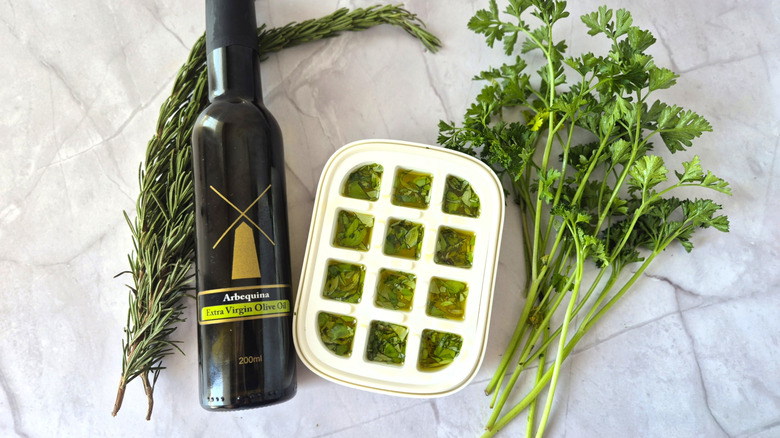
If you've ever pulled forgotten, sad herbs from the back of your fridge, we have a solution that will make that food waste a thing of the past. While you could tuck herbs away for later use in stock, we also really like a different freezer method that makes them easy to use in any dish, any night of the week.
Popping herbs directly into the freezer can ruin their texture, especially for more delicate varieties like dill, parsley, cilantro, mint, oregano, and basil. But with a little chopping, both delicate and hardier herbs can be frozen with oil to make a sauté sauce that feels gourmet. Both oil and butter keep beautifully in the freezer and thaw very quickly when exposed to heat, making them the perfect vehicle for suspending chopped herbs for quick cooking another night.
Finely chop the herbs and add a healthy pinch to every space in an ice cube tray. Pour oil or melted butter over the top until full, then place it in the freezer. Once frozen, pop the herb oil "ice" cubes out and store in a freezer-safe airtight container for up to six months. Next time you sauté a steak or a piece of chicken, pull out an herb cube and drop it straight into the pan. It will melt into an herb-infused oil that will help cook and flavor dinner all at once.
6. Homemade bread
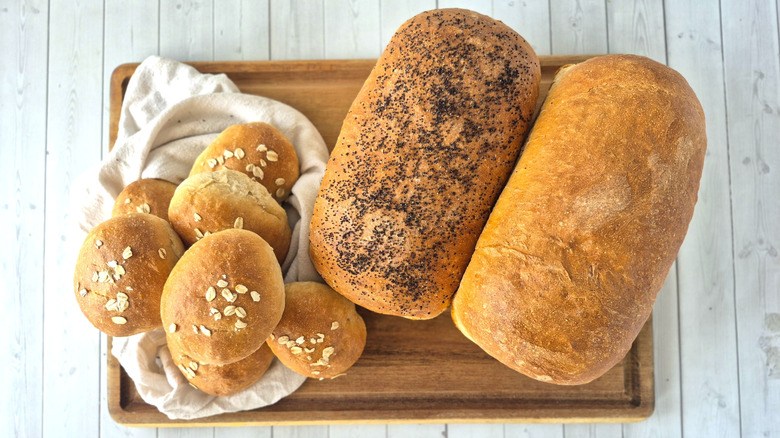
Fresh bread is delicious, but one disadvantage of making your own loaves is how quickly they can go stale or get moldy compared to store-bought loaves that use preservatives to last weeks in the cupboard. Baking bread also requires a lot of waiting and patience between mixing, rising, shaping, and baking. If you don't have time to do that every couple of days, fresh bread might seem like it's off the table for you.
Enter the freezer, your homemade bread's best friend. Bake those loaves in bulk, double your bun recipe, and don't hesitate to try those new cheesy breadsticks that yield at least a dozen more than your family will eat. Simply let the extra bread cool completely, then wrap it up tightly and store it in the freezer for up to six months. Let individual breads, like buns, rolls, and sticks, freeze flat on a baking sheet before transferring them to a container or bag to prevent freezing together.
Plastic wrap is a traditional option for wrapping foods for the freezer, but more eco-friendly options are a layer of parchment or wax paper wrapped in foil, large silicone bags, or even compostable cling film. When you're ready to eat it, pull the bread out three to five hours before you need it and let it thaw on the counter. Condensation can form inside the wrappings while the bread thaws; open the wrappings slightly to let air in and prevent sogginess.
7. Cake, frosting, and fillings
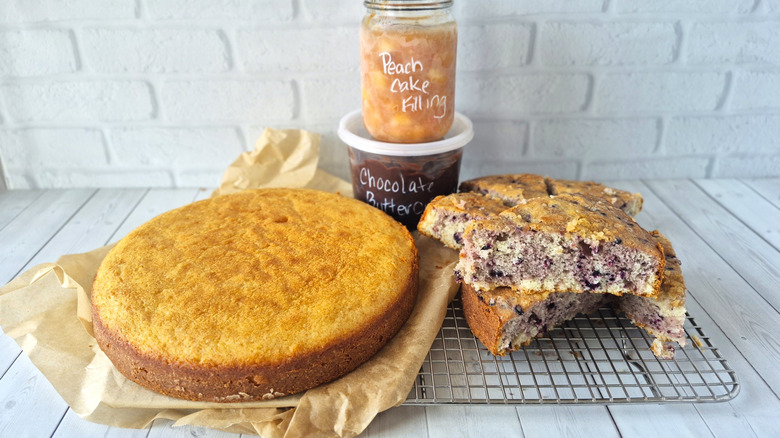
Freezing cake helps maintain freshness during multi-day decorating projects, when cakes need to be baked in advance for events, or when keeping extras good until needed. Cold cakes frost more smoothly, and once decorated, buttercream and frosting keep their quality in the freezer beautifully.
But whether your cake is elaborate or the family's favorite orange walnut Bundt cake, the key is to let cakes cool completely, then freeze them, and wrap them well to keep moisture out. We recommend laying single layers on a baking sheet to freeze individually if possible, then wrapping and storing until you're ready to use or decorate. Buttercream and cake fillings can also be made ahead and frozen. Be sure to allow frosting and fillings to thaw overnight in the fridge before you're ready to assemble.
For those more intricate celebration cakes you want to have ready to go, decorate in layers and freeze between coats of buttercream. The cold will help the buttercream set and make it easier to smooth on the next layer. After the party or event, when you have half a cake staring at you and nobody wants a single piece, simply portion it into slices and freeze them on a baking sheet. Once frozen, transfer to an airtight, freezer-safe container for four to six months. Pull out a slice at a time, thaw in the fridge, and enjoy a treat with no extra baking required.
8. Cookie dough and other baked goods
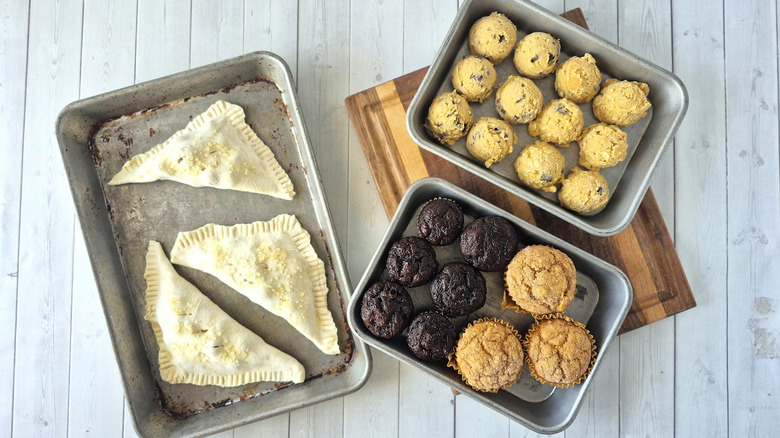
Cake isn't the only baked good we can stockpile in the freezer. In fact, most baked goods are happy to hang out for a few months. While some are better frozen before baking and some are best frozen afterward, the options for stocking your freezer with your favorite sweet indulgences are numerous.
Batter-based baked goods like muffins, cupcakes, waffles, and pancakes need to be pre-baked. Once cooked and cooled completely, arrange on a freezer-safe baking sheet, and once frozen, transfer to an airtight bag or container for up to two months. Muffins thaw quickly on the counter, while waffles and pancakes return to fresh and fluffy in the toaster quickly.
Dough-based baked goods like cookies, pies, and scones can be portioned unbaked, frozen, and then baked straight from the freezer. Scoop cookie dough portions or arrange hand pies, galettes, or scones on a flat, freezer-safe surface. Freeze everything completely, then transfer to an airtight container or bag. When you're ready to enjoy a sweet treat, bake from frozen according to the original recipe, but add a few minutes to the overall time. Soon you'll be enjoying the fresh-from-the-oven flavor without any prep required. Cookie dough maintains quality for two to three months, while pies can hold in the freezer for up to eight.
9. Brown rice and other whole grains
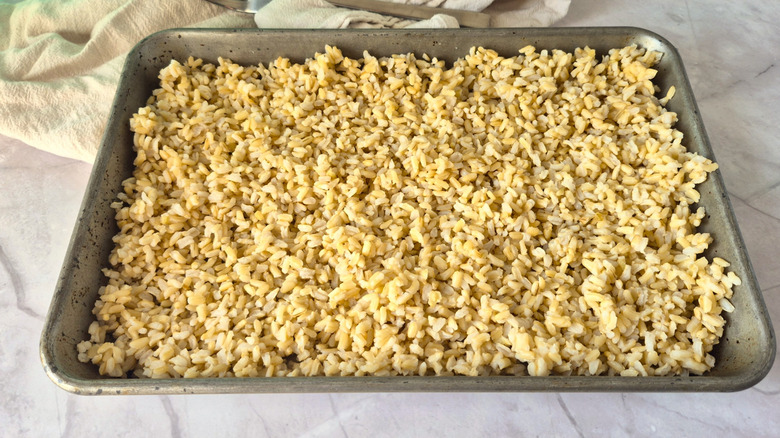
It's not exactly news that whole grains should make up a healthy portion of our diets. But swapping white rice for brown and quick-cooked oats for steel-cut isn't as simple as it sounds. Brown rice can take more than twice as long as white rice, and if you don't start early, steel-cut oats may not be ready until you're running out the door for work.
A simple solution to getting your whole grains without sacrificing tons of cooking time is to prep ahead. If steel-cut oats are your favorite in the morning, whip up a huge batch, season, and cool. Then transfer the oatmeal into meal-sized portions to freeze. Muffin tins or silicone muffin liners are a great choice for that. For loose grains like rice, spread them evenly on a baking sheet to prevent clumping, then cool completely. Transfer the rice to a bag or freezer-safe container and freeze for up to six months, then thaw in the fridge before using. Cooked oatmeal also lasts up to six months frozen and can be thawed on the stove or in the microwave for a quick and easy breakfast.
10. Cooked beans
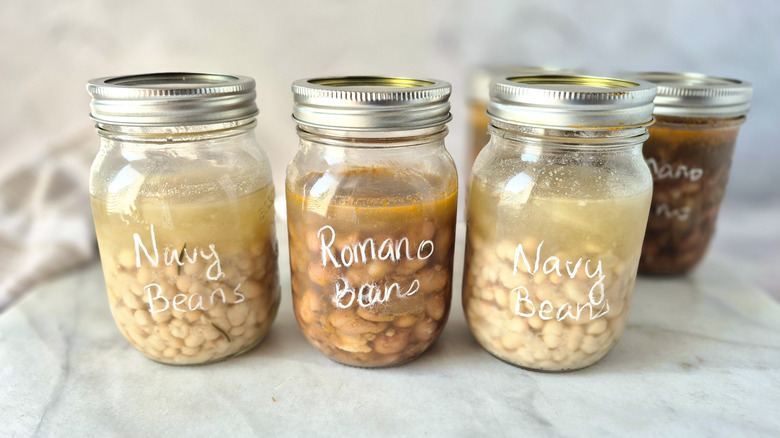
Dried beans have always been on the cheaper end of raw ingredients, especially when compared to buying the equal yield in pre-cooked canned versions. To save money, we can cook a large batch of beans ourselves and freeze the leftovers for later use. With the popularity of the Instant Pot and other home pressure cookers, you can batch-cook larger quantities of beans more quickly and easily than before. Frozen beans in broth can last for up to six months without losing quality.
This is also great for those of us who like to plan bean-based meals only to remember the day of that they should have started soaking the night before. By utilizing the freezer, you only need to remember to soak a big batch of beans once in a while. Once soaked, cook the beans as desired, then portion them, along with their broth, into freezer-safe containers or bags and freeze. Don't overfill jars, which can shatter or crack when liquids expand in the freezer. Cooking them with stock, seasonings, and spices allows a home cook to customize beans to their household's favorite meals and flavors, saving time later down the road.
11. Nuts, seeds, and flours
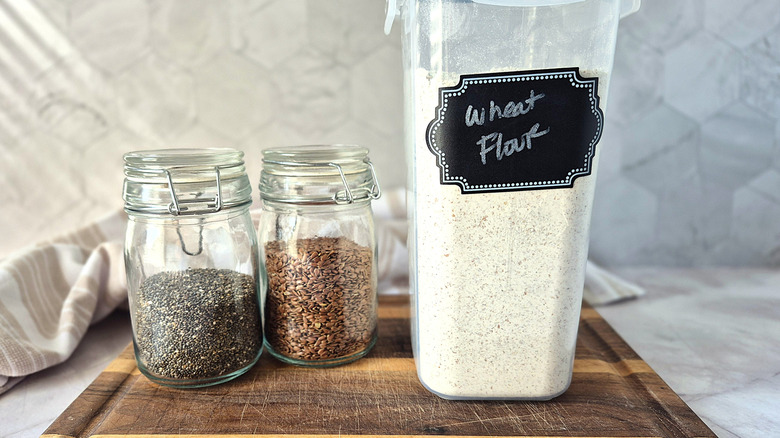
Nuts, seeds, and whole-grain flours contain oils that, when exposed to oxygen for extended periods, can go rancid. These types of ingredients are often on the more expensive side of grocery staples, especially if you like the more pricey nuts like pistachios, cashews, and almonds. We don't know about you, but we sure don't like discovering that we have to throw money away by tossing out food that could have stayed fresher if stored properly.
A solution is the freezer. Storing nuts, seeds like flaxseed and chia seeds, and whole-grain flours in the freezer slows oxidation, keeping them fresher for longer. Most nuts can be stored for a year, if not longer, in the freezer, while whole-grain flours will maintain peak quality for six months. Seeds like flax can last for a year at room temperature, but once ground or toasted, that shelf life drops to less than half unless stored in the freezer to prolong freshness. If you're wondering how this applies to coffee, it's true that storing whole coffee beans can stave off staleness for a while, but it may also come at the cost of altered flavor.