

6 Peruvian Restaurant Rules American Tourists Immediately Break
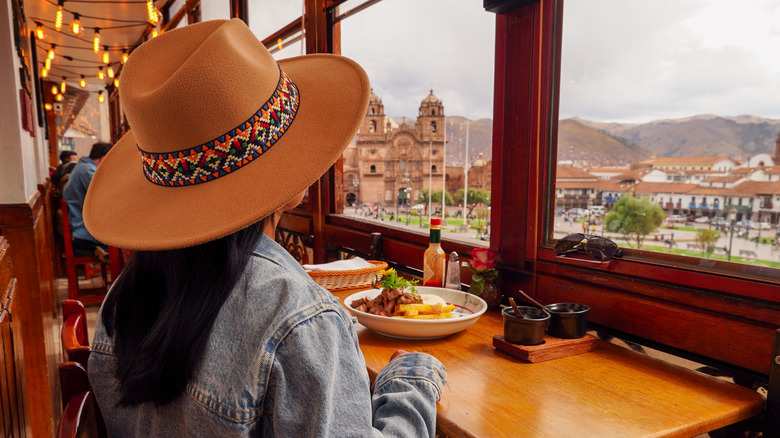
Peru has been awarded World Travel Awards for the top culinary travel destination for the past 13 years, meaning that for over a decade more people have traveled to Peru just for its food than to any other country in the world. Additionally, according to 50 Best, the South American country is home to the world's best restaurant and three top-10 restaurants in Latin America, more than any other country in the region. Peru is only about one-seventh the size of the United States — slightly larger than the West Coast states — but is still remarkably diverse in almost every sense of the term. It's one of the 20 most biodiverse countries in the world and home to around 70% of the world's total biodiversity.
The Andes Mountains practically hug the entire length of Peru's arid Pacific coastline, where the capital, Lima, is located. To the east of the Andes lies the Amazon rainforest, and between these extreme environments are microclimates at different altitudes that can produce almost any type of food. The population is also diverse, including many indigenous ethnic groups, as well as people of European, West African, and Asian descent.
All of this has come together to form a vast cuisine, giving the country a reputation as the culinary capital of Latin America. But despite it being a popular foodie destination, many American tourists may experience some culture shock while dining out there. I am originally from Peru and have spent years researching and writing about its culture and cuisine. I've rounded up six Peruvian restaurant rules that U.S. tourists may unknowingly break, ranging from what to order and how to save money to how to interact with your server and get the right type of receipt.
Don't think that limeño food is all that's available in Peru
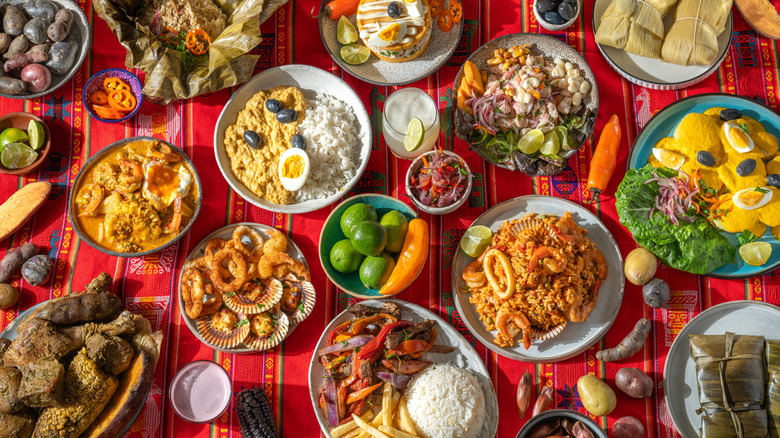
Many American tourists familiar with Peruvian cuisine may only know of foods from Lima. They're not entirely to blame, though, since dishes like lomo saltado, ají de gallina, and chaufa have become popular worldwide, and even in Peru, they feature on restaurant menus far from the nation's capital. Domestic tourists visiting other regions may even enjoy some of these popular foods, but most know what style of cuisine they're eating. As an American tourist, though, limeño cuisine's cosmopolitan flavors and huge repertoire may lead you to believe that you're sampling Peru's culinary diversity in its entirety.
When arriving in a new town or region in Peru, be sure to ask anyone from the hotel staff to your taxi driver about the traditional foods of the area, and they may give you recommendations for locals-only spots where you'll sample delicacies that may even be foreign to many other Peruvians. You don't need to traverse the whole country to sample the diversity of Peruvian cuisine, though. Many people from across the country move to Lima and establish restaurants catering to homesick migrants. As such, you can find almost any regional cuisine in the capital city.
Don't be put off by what Peruvians refer to as "touristic restaurants" (restaurantes turísticos), either. These aren't tourist traps but rather immersive themed eateries that transport you to different regions of the country and often cater to locals. Make sure to take some time to sample chifa, or Chinese-Peruvian cuisine, along with the foods of Arequipa, the Amazonian region, and the northern coast to get a good feel for the country's gastronomic diversity. And don't miss out on a pachamanca, an ancient pre-Columbian meal that's cooked in an underground pit.
Don't expect to find certain foods outside of their scheduled meal times
If you're the type of person who believes in the idea that there are specific foods you eat for breakfast, you may get along just fine in Peru. Those who believe that anything counts as breakfast if you eat it as your first meal of the day may experience some difficulty, especially if they want to eat like a local. Many Peruvians enjoy five meals a day. Breakfast is light, and usually consisting of bread and a hot beverage, and the mid-morning snack is another light affair that may include a pastry or savory empanada. As in many Latin American countries, a leisurely lunch is the main meal of the day and typically features several courses. Don't confuse it with lonche, though, which may sound like lunch but is a mid-afternoon snack. Dinner is also very light and may include small bites or even just dessert.
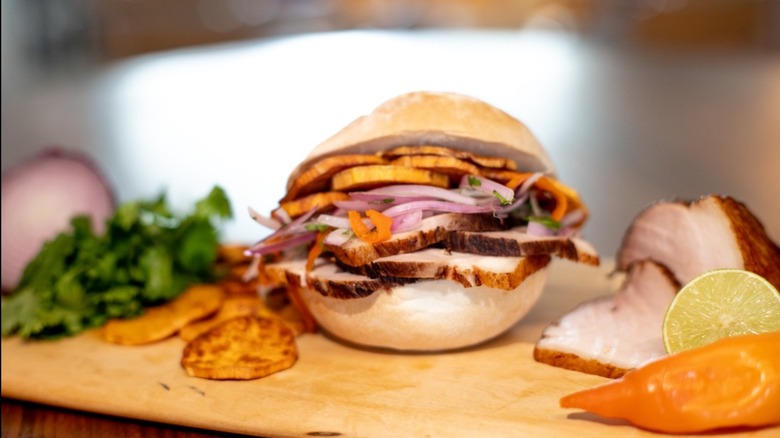
Certain foods only appear at certain times of day, and some of their schedules may surprise you. Sandwiches, for instance, are typically eaten for breakfast, though you can enjoy them any time without looking like a tourist. Tamales are also another breakfast food. During the morning and afternoon snack times, you'll see corner stores and supermarkets stocking their shelves with double-decker white bread sandwiches called triples. If you're looking for anticuchos, an iconic street food of marinated beef skewers, you'll have to wait until after dark. But perhaps the most important rule for visiting tourists pertains to ceviche: you don't eat it after lunch because the fish is no longer considered fresh. You read right — ceviche is traditionally made only with seafood caught that morning.
Don't ignore el menú if you want to eat like a local
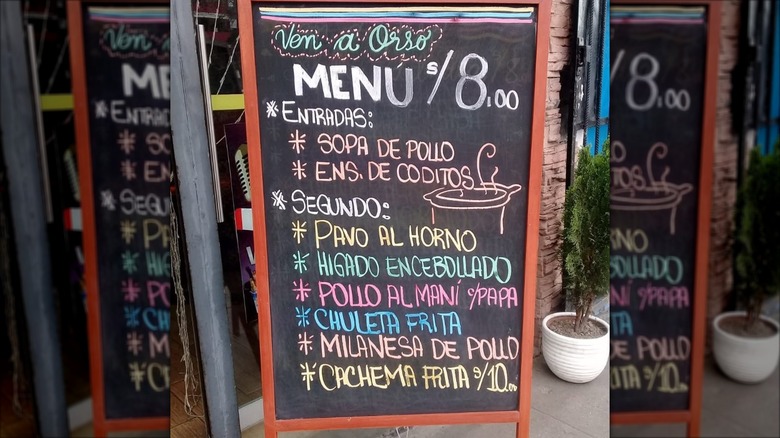
Many locals get an extended lunch break to rest and enjoy a substantial meal. While some may have enough time to return home for el almuerzo and perhaps enjoy a nap, others may bring lunch, and still others may opt to go out to eat with colleagues. It's this last group whom you should look out for around midday if you want to know where to find the best food for the best value. Just follow them to the nearest restaurant or small, informal dive called a huarique, and look out for the sign that reads "menú." This isn't the full menu, which is called a carta in Peru, but rather the term for a prix-fixe lunch. It often includes three courses — appetizer, entrée, and dessert — but can sometimes include a soup and a beverage, and some higher-end restaurants may even throw in a cocktail. You will save a significant amount of money compared to ordering à la carte, and you may have the opportunity to try more obscure dishes that aren't on the regular menu, especially if the cook is from another part of the country.
Because lunch was historically enjoyed at home, many of the menús will feature homey comfort foods that you may not normally encounter at restaurants, sometimes making the prix-fixe menu more interesting for an American tourist. If you visit a huarique, make sure to ask for yapa if you want a little extra spoonful of food. The staff may get a kick out of an American knowing this term and might even let you try some of their other specialties.
Being too friendly with your server can lead to an uncomfortable experience

Peruvian culture has traditionally been very formal, and the society is very hierarchical in ways that many American tourists may not be accustomed to. Being aware of social protocol is paramount to surviving in this country, including knowing where you fit into the class system. Elocution is very important in the culture, which makes Peruvian Spanish one of the easiest dialects to understand, especially for visitors. But knowing what to say to whom is equally important, and you'll find that most Peruvians will use the formal ustéd instead of the more familiar tú when referring to people they don't know. This may come off as stuffy to many American tourists, but it's an important rule to follow to avoid coming off as ill-mannered.
An important cultural difference to keep in mind while visiting Peru pertains to how you interact with service workers. As a paying guest or patron, you have a higher status than those attending to you, and you're not really expected to treat them as you would your friends or family. This applies to most restaurants, even informal ones. If you've traveled to other Latin American countries, especially those in North America, this may be something that sets Peruvian dining experiences apart. Don't expect your server to tell you their name; if you ask, they could feel you're about to complain to management. Some servers may want to chat with you, but doing so might get them in trouble for being impertinent with guests. This may seem unfair to you, but keep in mind that Peruvian society functions differently, and a tourist isn't going to change that.
Pisco is an integral and unique part of Peruvian gastronomy
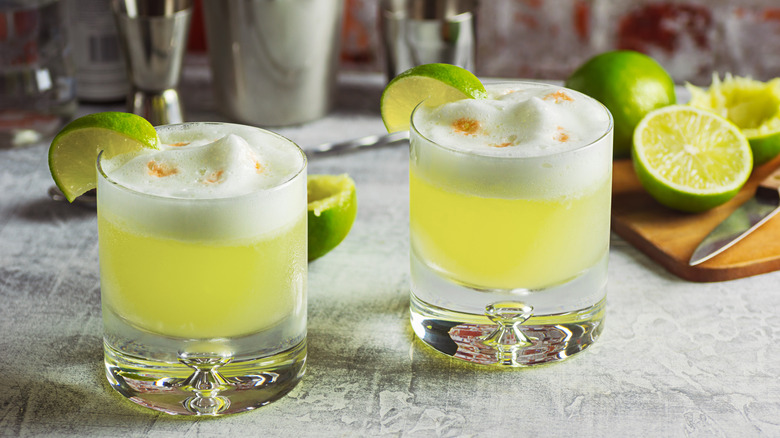
Pisco is a clear brandy distilled from grape juice and is considered Peru's national spirit. There has been a long dispute between Peru and Chile over which country can lay claim to being the birthplace of this liquor. Still, the reality is that each nation produces a similar yet distinct product, not unlike the differences between bourbon and Scotch whiskey. Asking about Chilean pisco at a Peruvian restaurant anywhere is considered extremely offensive, akin to asking about American Parmesan in an Italian restaurant. Peruvian pisco is made from different grape varieties and processed in a different method from that of its Southern neighbor. It has a complex flavor that can include many of the same notes you find in cognac, but it's lighter and often features floral and fresh-fruit aromas.
If you visit a Peruvian restaurant with a bar, you're going to find a huge selection of piscos from different parts of the country representing different styles, much like you would with whiskeys, and many bars' signature cocktails are made with this local spirit. You can find other types of liquors on the drinks menu, but insisting on a non-pisco adult beverage while in this Andean country would be like going to France and not trying any wine — you'd be missing out on a huge part of the local gastronomy.
It's recommended to start with a pisco sour, an emblematic cocktail featuring lime juice, simple syrup, egg white, and bitters, but you'll also find pisco versions of many international cocktails. If you are into sampling spirits, make sure to taste some top-quality pisco on its own before you leave the country, and stock up on bottles that you may not be able to find in the U.S.
Make sure you know what kind of receipt you should get with your bill
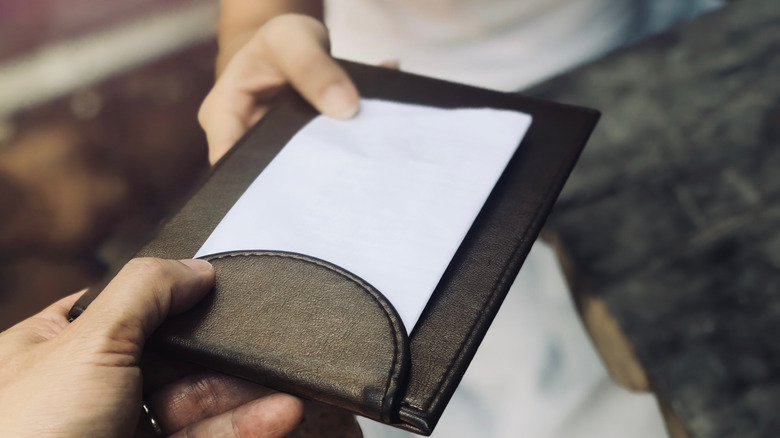
After paying for a meal in the United States, you may receive a receipt; the same is true in Peru, but it's a little more complicated. There are two types of receipts available to customers in the South American country, and neither of them goes by the common Spanish name for a receipt, recibo. Rather, diners choose between a factura or a boleta.
The factura, which translates to invoice, is an official government receipt used to report expenses when you're filing your taxes. It requires your Peruvian national ID to obtain one, and can be a chore for businesses to produce it. You don't need to worry about this as an American tourist, and you won't even be able to get one. A boleta, which translates to ticket, is a regular receipt. As an American tourist, you may be automatically issued a boleta by servers. If you're speaking in Spanish — especially if you've picked up a Peruvian accent on your trip — you'll probably be asked which one you want. Just know to pick the right type of receipt.