

Does Canned Soup Have An Unlimited Shelf Life?
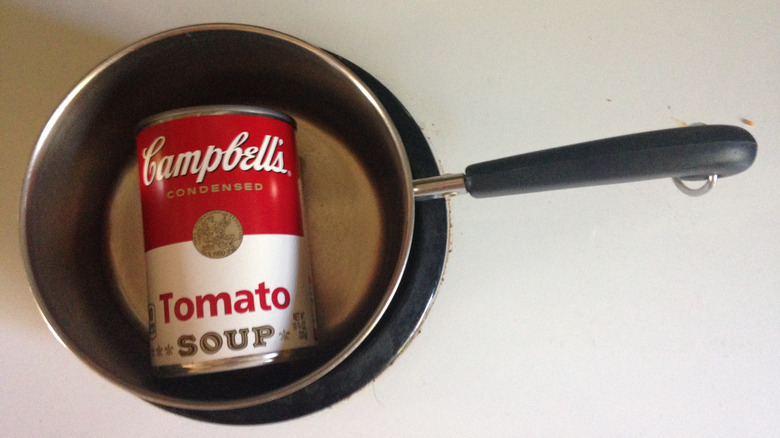
If the time has come to clean out your pantry and find out what types of things are lurking all The Way Back, we commend you, soldier: It takes a serious act of bravery to boldly go where you're about to. But before you can entertain visions of a newly organized pantry space just like Ina Garten has, you have got to take out everything and start the sorting process (functionality is key, folks), including what to keep and what to toss. In fact, most people have at least a few cans of Campbell tomato soup that have been hanging out where they store their food, and your first instinct might be to throw those out because there is no way they're still good. But au contraire; canned soup has a much longer shelf-life than you might expect. According to the USDA, cans will last years (so long as you store them well). Even if it isn't exactly unlimited, a tin can stay edible for up to five years or even longer in some cases.
It's all in how the soup is packaged. Cans get sterilized and then sealed to be airtight, so that nothing can penetrate the seal. They then undergo a second decontamination to remove anything that might be lurking on the outside. This thorough process gives the cans almost endless durability; in fact, often canned soups may still be safe to eat well past the use-by date; it's just that the quality has degraded and they may no longer be palatable. If you find an expired can of soup, it's likely still edible, unless it's showing signs of damage or spoilage.
How to tell if your canned soup has been compromised
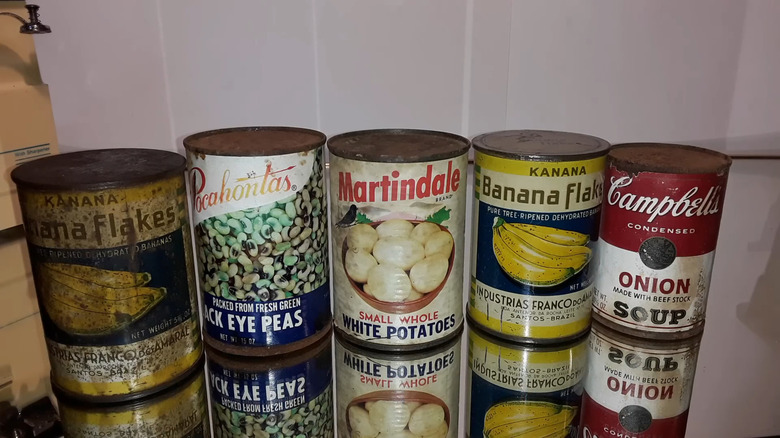
Canned soup, luckily, can do very little in the way of hiding when it has been compromised, so it ought to be fairly obvious when it needs to be thrown out. A variety of factors can affect the soup's soundness, but the most common is improper storage, like keeping the cans in a too-warm or humid environment, or not giving them space to breathe (yes, your cans can sit too close together). This might cause the cans to bulge alarmingly, or even leak. If you find soup that is in this condition, it should be thrown out immediately because you have no way of knowing what kind of bacteria could have gotten in.
If there are no overt signs of spoilage, your soup might show signs when you open it. Sometimes cans will release some air when the seal is popped, but a significant hiss, followed by your chicken noodle soup violently evacuating its confines, is a sign that your lunch is spoiled and you'll have to find something else to eat.
Finally, a word about dented or rusted cans. The soup within might not necessarily be compromised just because the can is a little busted, but use your best judgment. Does the rust wipe away easily and neatly with a napkin or paper towel? Does it smell fine, not rancid or "off?" If all looks and smells well, it's probably fine, but be cautious when opening it.